In Aimgod: Five minutes anyway, coming December 2026
The 5 Minute Rule for Procrastination: Just Start
The 5 minute rule for procrastination: give a task five minutes, then you're free to stop. Why it works, and how to stop procrastinating starting today.
 By Oleksandr Sendziuk, founder of Aimgod · · 6 min readFollow on LinkedIn ↗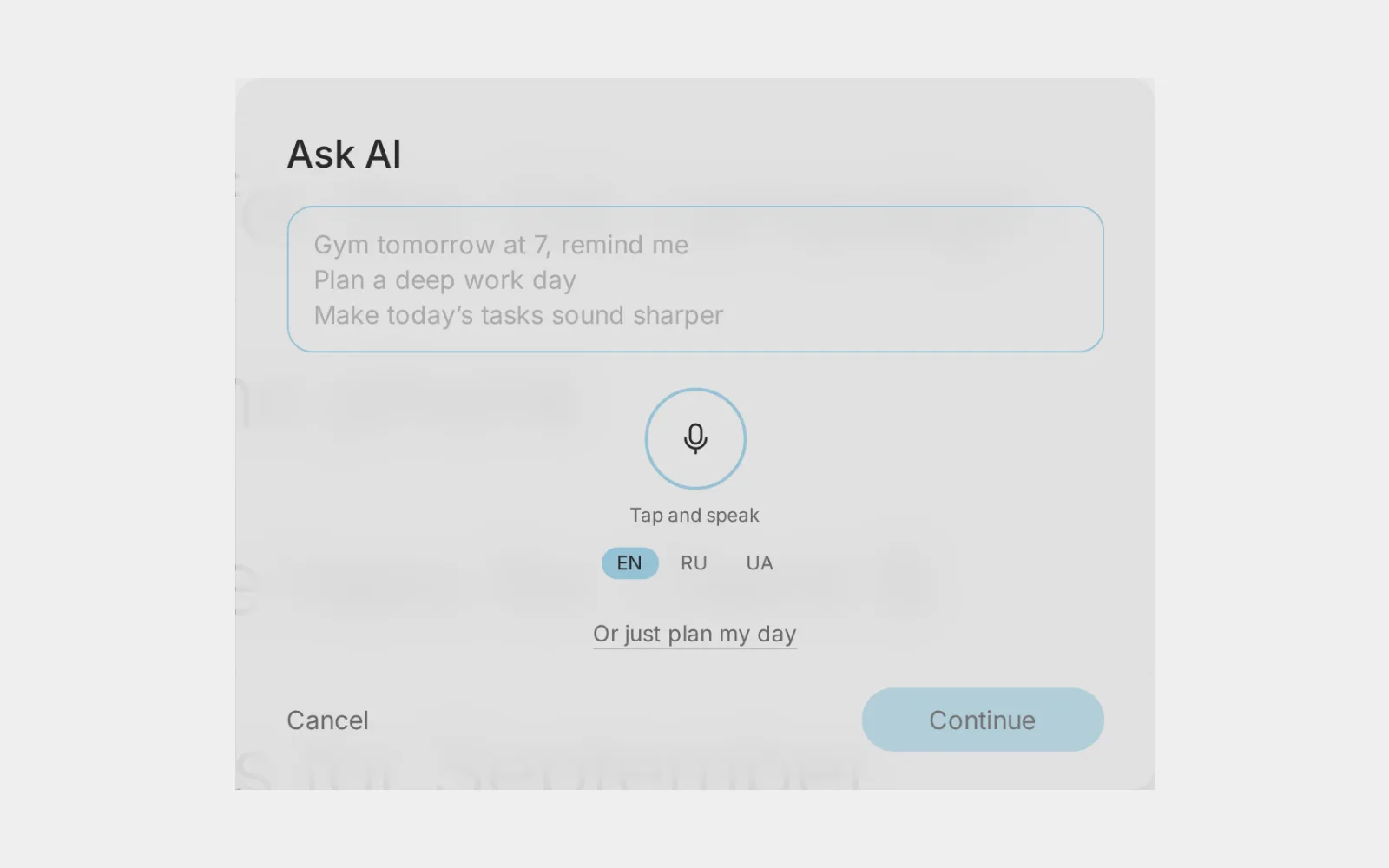
You know the task. It's been on your list since Monday. It isn't even hard: a proposal to rewrite, a payment reminder to a client, a messy file to clean up before handoff. Every morning you look at it, feel a small drop in your stomach, and go do literally anything else. By Thursday it weighs twice as much. The task didn't change. Only the pile of avoidance on top of it.
The 5 minute rule for procrastination is the friendliest fix I know. Give the task five minutes. That's the deal. When the timer ends, you're allowed to stop.
For years I thought the answer was more motivation. Wait until I feel ready, then start. It took me a long time, and a lot of reading on how people actually change behavior, to accept that the arrow usually points the other way.
What the 5 minute rule for procrastination is
The whole thing fits in one line. When you catch yourself avoiding a task, agree to work on it for five minutes. Only five. When time's up, you can walk away, and walking away still counts as a win.
The permission to stop is the load bearing part. You're not promising to finish the proposal. You're promising to open the file, read the first paragraph, change one sentence. The bar is low on purpose, so low that the part of you that wants to dodge has nothing left to argue with. Think of it as lowering the activation energy: same task, a much smaller push to get it moving.
The rule fits a bigger idea therapists use with people who feel stuck: act opposite to the urge. The urge says "avoid." You take one small step toward the task anyway. You don't wait for the feeling to change first.
How to stop procrastinating: know why it happens
Procrastination is mostly about feelings, not time. The task you avoid usually carries something unpleasant: boredom, uncertainty, fear of doing it badly, or the sense that it's too big to hold. Putting it off buys quick relief. And that relief quietly trains you to put it off again. It's a feedback loop, and a very efficient one.
Researchers like Fuschia Sirois and Tim Pychyl describe procrastination in exactly these terms: short term mood repair you pay for later. Most procrastination tips try to win the argument with your mood. Here's the honest alternative: stop arguing. Change the size of the step.
Motivation follows action
Five minutes break the avoidance loop in three ways.
The start is the hardest part. Ask anyone how to start a task they dread and they'll describe the same wall: discomfort peaks right before you begin. Once you're inside, the task gets specific: this paragraph, this layer, this email. Specific is far easier to face than vague.
Feelings follow what you do. Waiting to feel motivated can take a while. Behavioral therapists have long noticed that doing something, even briefly, tends to lift mood and energy afterward. So "how to get motivated" has a surprisingly boring answer: begin, then see. Motivation follows action more reliably than it leads it.
Started work keeps you company. Once you've begun, an open task tends to stay on your mind. Usually that pull feels like nagging. Now it works for you. Plenty of people find that when the five minutes end, they kind of want to keep going. Some days you'll stop, and that's fine. The task moved from untouched to started, and that changes how it feels tomorrow.
How to start a task with the 5 minute rule
- 01Notice the avoidance. The cue is usually tiny: you read the task, then open email instead. Name it. "I'm avoiding the proposal."
- 02Shrink the first step until it's almost silly. Not "rewrite the proposal," but "open the doc and fix the first heading." Not "prepare the client handoff," but "create the export folder." If the task still feels like a wall, here's how to break a task you keep avoiding into steps you can actually see.
- 03Give it a real time. "Later today" is where avoided tasks go to nap. "11:30" is a decision. Put the five minutes on your day at an actual hour, ideally soon.
- 04Set a timer for five minutes. A visible finish line makes the start cheaper. You know exactly what you signed up for.
- 05Work only on that first step. Close the other tabs. When the urge to switch shows up, notice it, give it a polite nod, and stay until the timer ends.
- 06When the timer ends, choose honestly. Want to keep going? Go. Want to stop? Stop, and jot down the next tiny step so tomorrow's start is even easier.
- 07Count the start as a win. You did the hardest part. Give it credit, for example as a line in your evening wins journal.
Picture a typical designer's week: a portfolio case study that keeps getting pushed. Five minutes means opening the Figma file and typing the title of the first section. Often that turns into forty minutes of real work. Sometimes it's five minutes and done. Both count. Both broke the pattern.
If the task you keep dodging is also the most important one of the day, pair this rule with the habit to do the hardest thing first: spend your five minutes on it before anything else gets a chance to pull you away. And if the same avoidance shows up every week at the same moment, an if-then plan that decides the when in advance takes the wobble out of starting.
Procrastination tips: common mistakes
Using five minutes to sneak in a marathon. If you secretly plan to chain yourself to the desk for three hours, your brain learns that "five minutes" is a fib and pushes back harder next time. Fix: mean it. Stopping has to be a real option.
A first step that's still too big. "Draft the proposal" in five minutes is a recipe for frustration. Fix: if you can't picture finishing the step in five minutes, cut it in half again.
Waiting for the right moment. The rule works best the second you notice avoidance, or at a time you set ahead. Fix: start now, or put it on the day at a specific hour.
Using it on everything. This rule is for the few tasks that keep slipping. If every item on your list needs a trick, the bug is probably in the list itself. Fix: trim the day to what fits, and save the rule for the stubborn ones.
How Aimgod helps
Today Aimgod handles the two things that matter most before your five minutes start: making the task concrete and giving it a time.
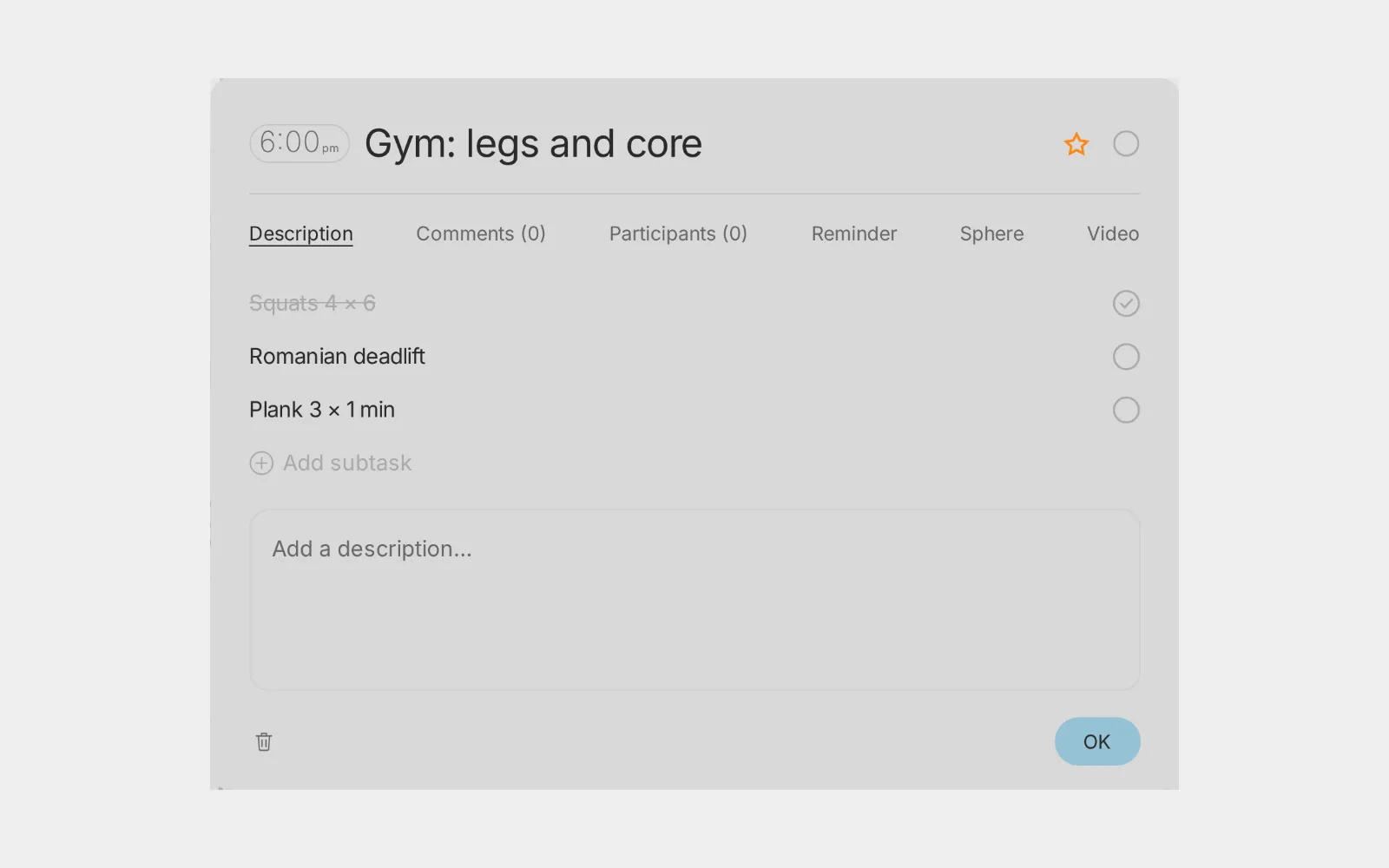
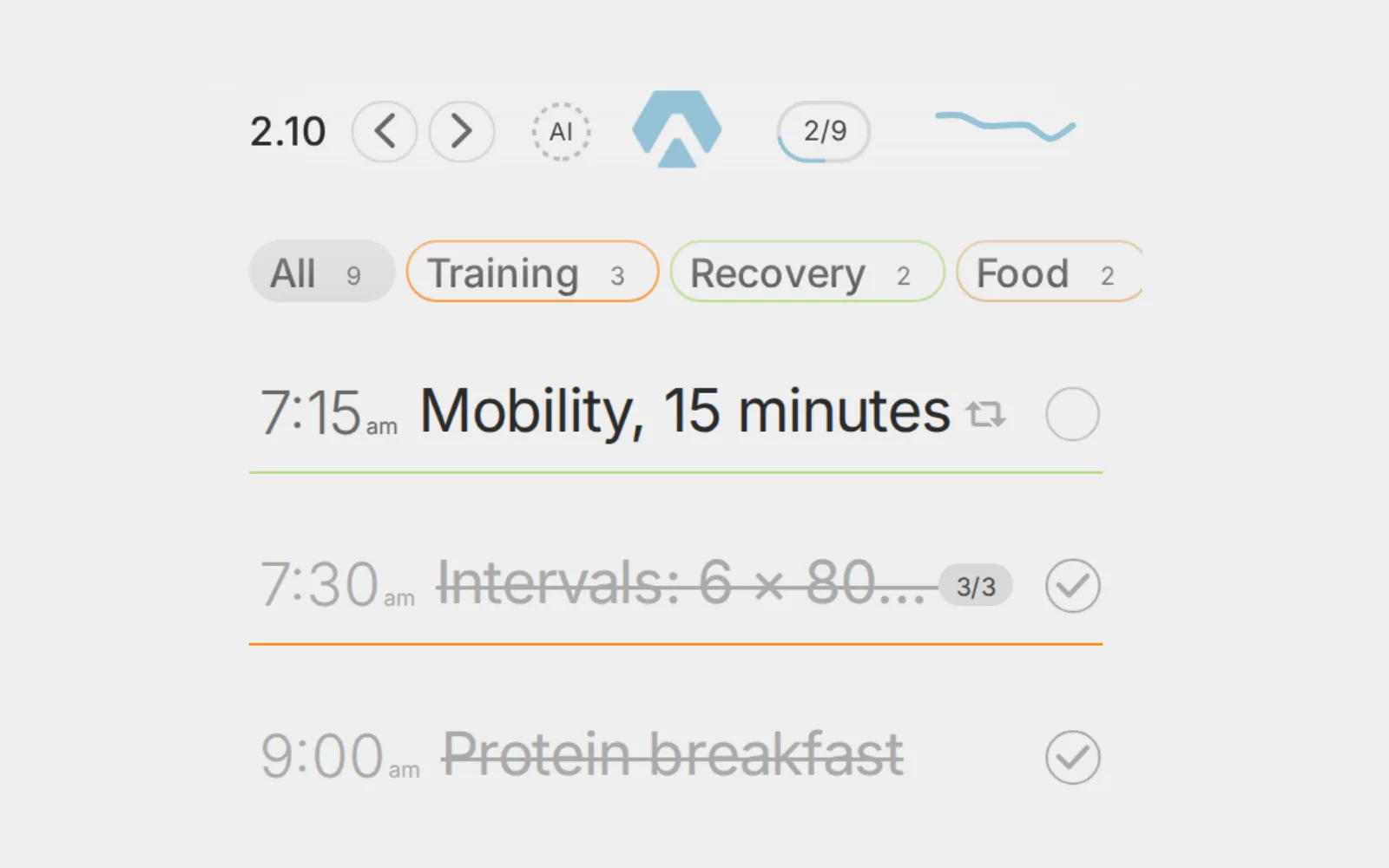
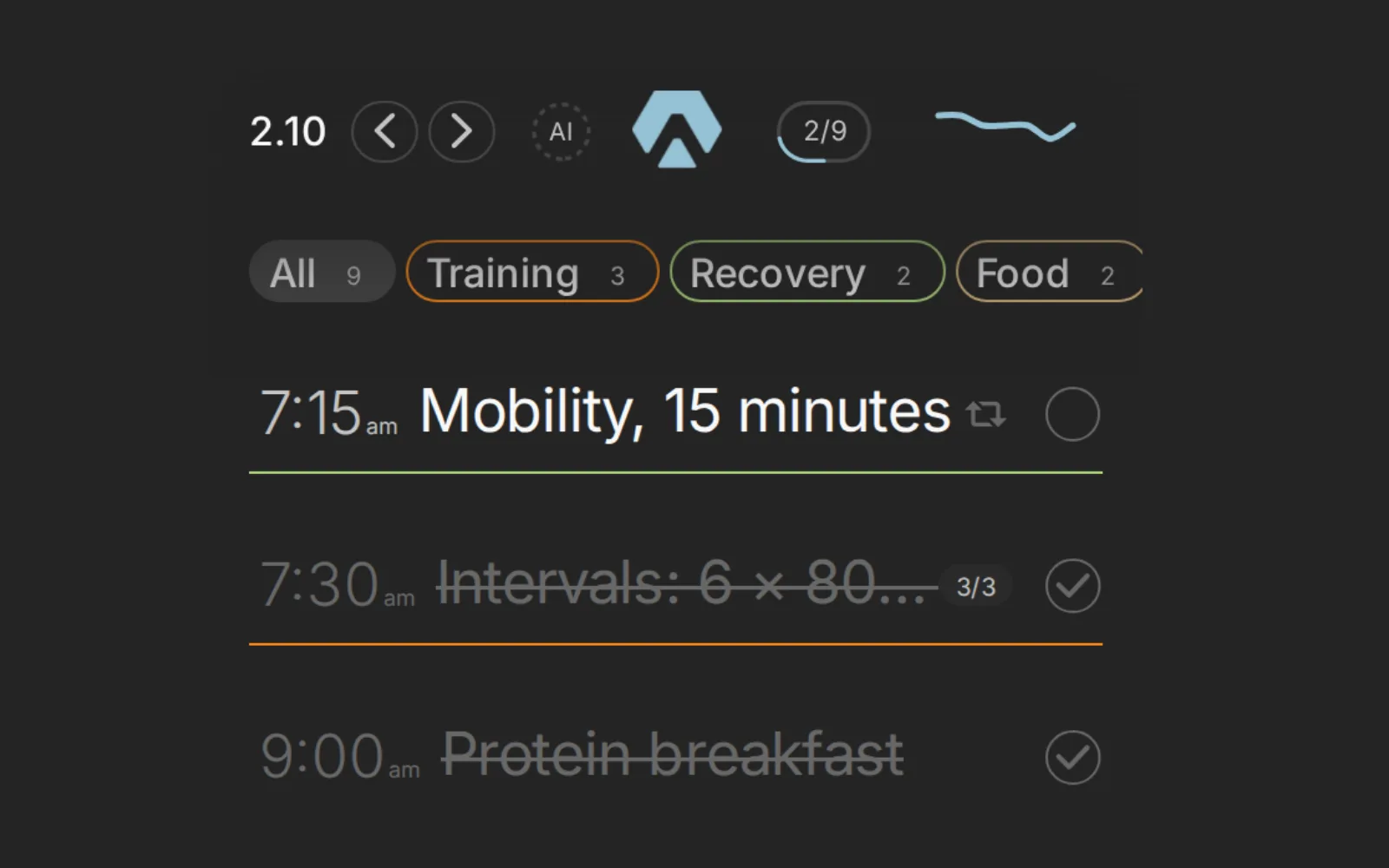
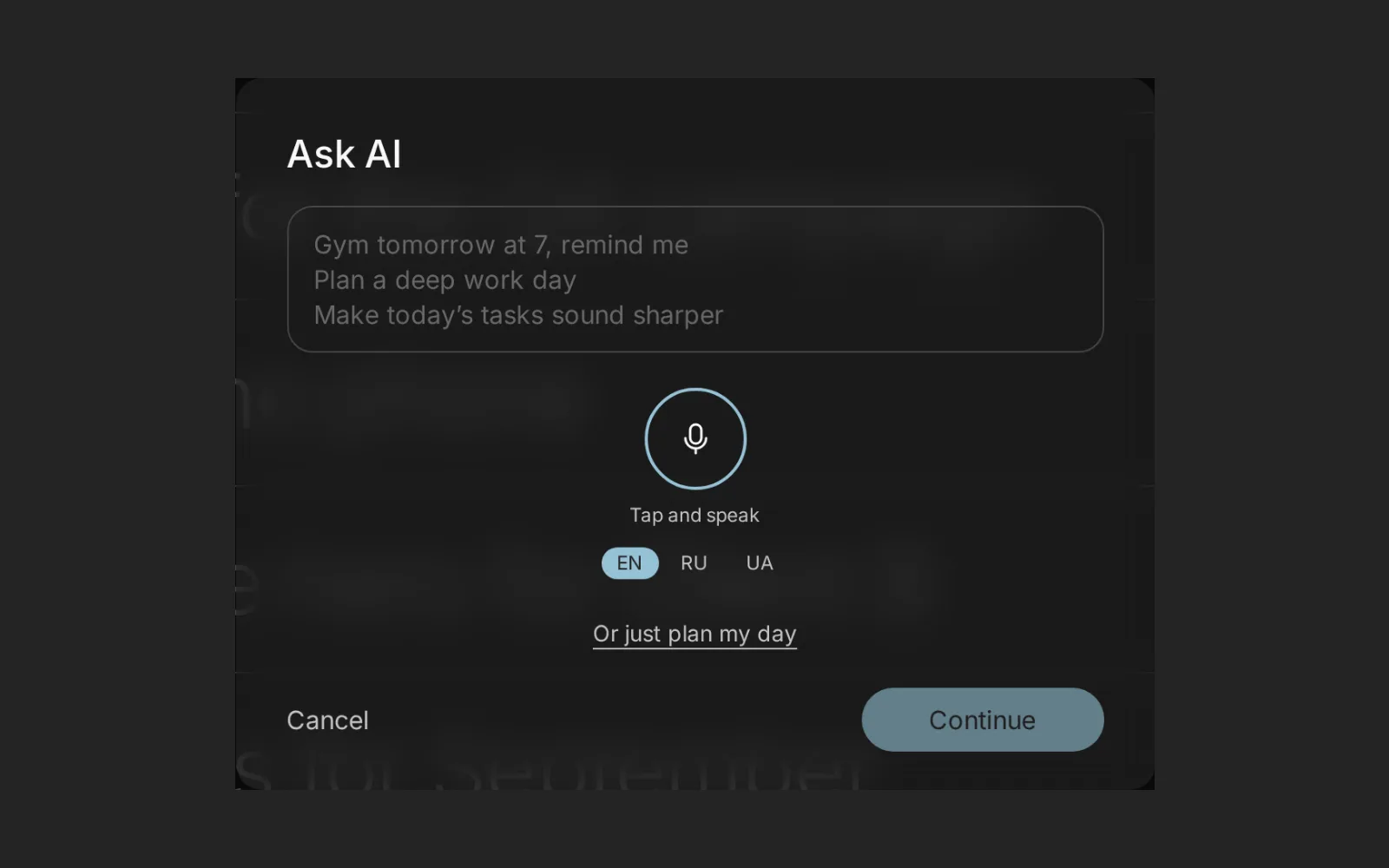
The time ruler gives any task a time in two taps. Open the task, tap the ruler, pick the hour. The task slides into its spot in the day, and "later" becomes "11:30."
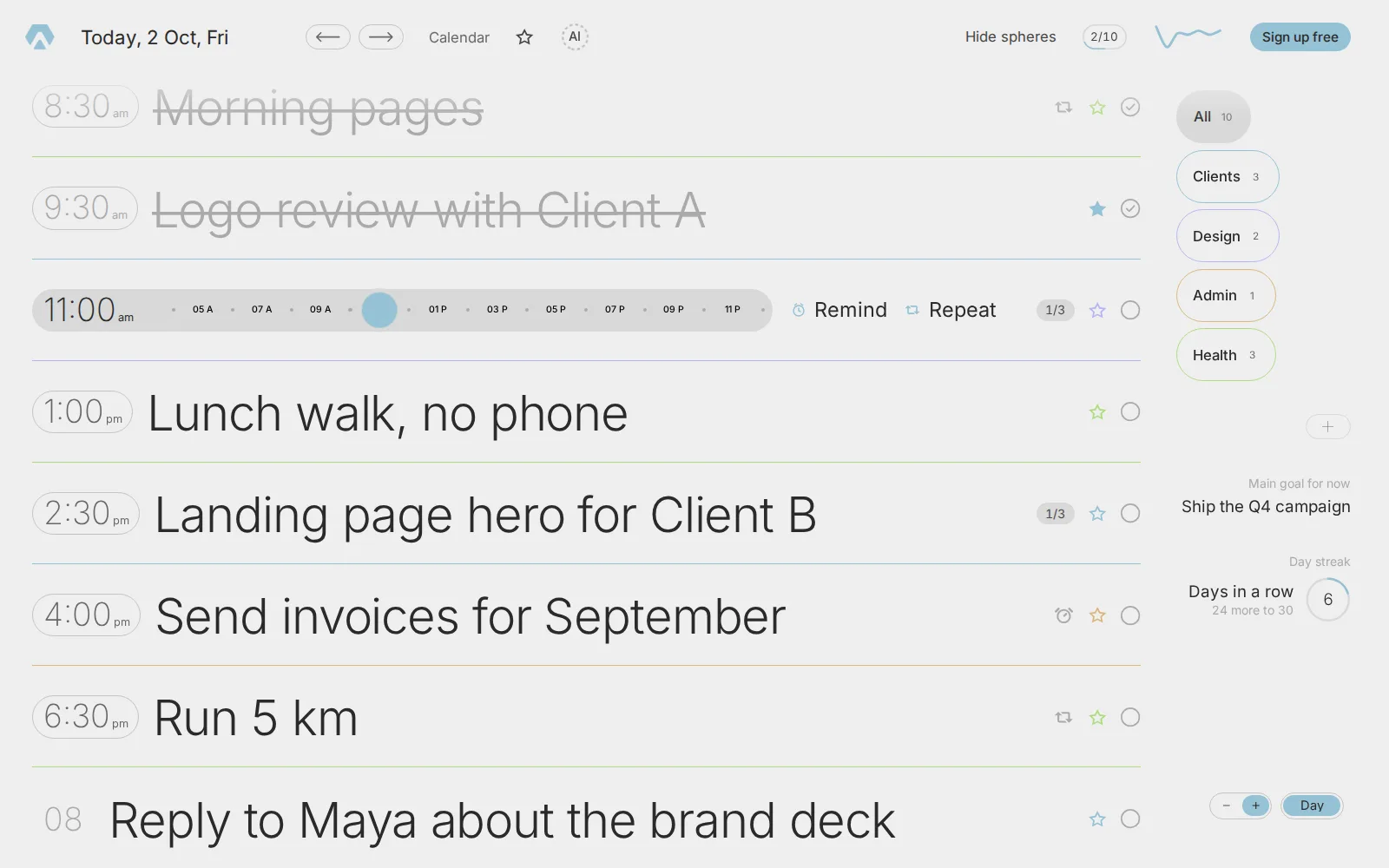
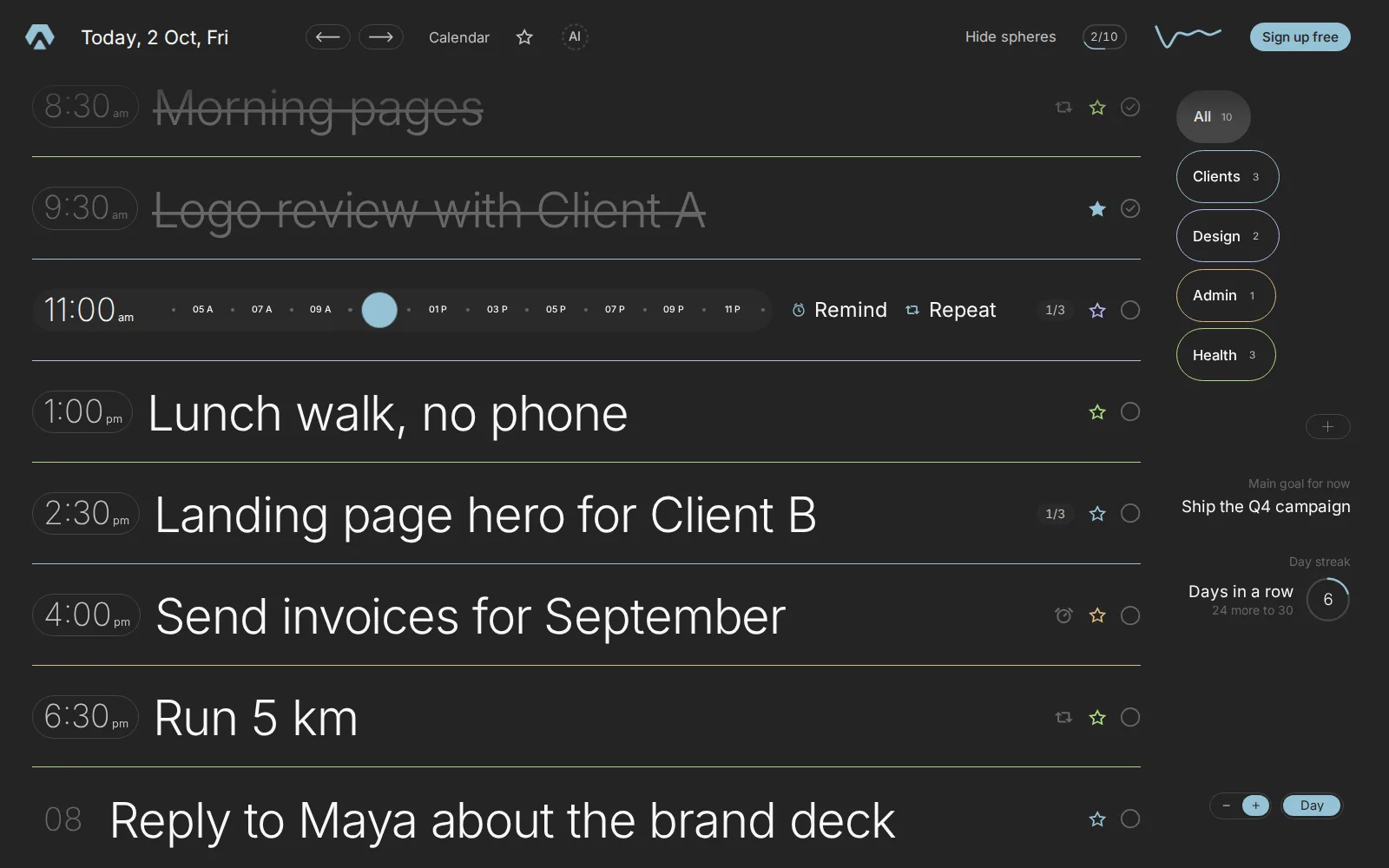
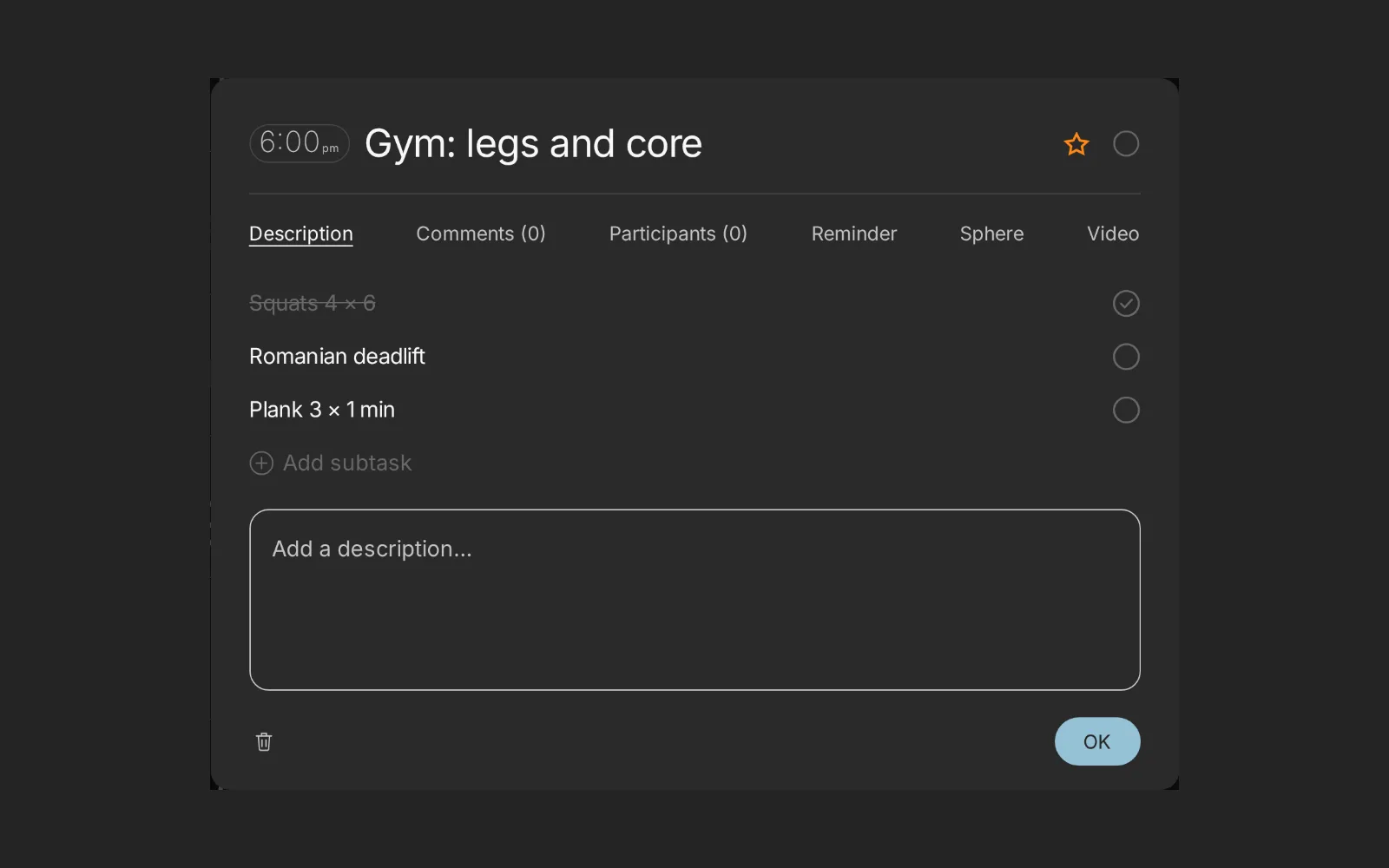
Steps on a task let you break it down until the first one is small enough to start. You see that first step on its own, which is often all you need.
Coming in December 2026, Five minutes anyway: a five minute timer you can start on any task you keep avoiding. Tap it, work until the timer ends, then keep going or stop. The start counts either way.
Start small, start now
You don't need to feel ready. If you've been searching for how to get motivated, here's the short version: you need five minutes and a first step so small there's nothing left to resist. Pick the task you've avoided longest, shrink it, give it a time today. The good feeling usually shows up after you begin. Funny how that works.
FAQ
What is the 5 minute rule for procrastination?
A simple deal with yourself: work on an avoided task for five minutes, and you're free to stop when time's up. The low bar makes starting easy, and starting is the hard part.
Does the 5 minute rule actually work?
For many people, yes. Procrastination is mostly about dodging an unpleasant feeling, and a tiny, time boxed start shrinks that feeling. It won't make every task fun. It will reliably turn "not started" into "started."
What if I stop after five minutes?
Then it worked. Write down the next small step so tomorrow's start is easier, and try another five minutes later. The rule only works if stopping is a real option.
Oleksandr Sendziuk makes music as Abuzz and believes you start before you are ready, and get ready by starting.
Follow the build on LinkedIn ↗