In Aimgod: Hardest first, coming November 2026
Do the Hardest Thing First: How to Prioritize Your Day
Do the hardest thing first: pick the one task that moves your work, do it while your head is clearest, and let the rest of the day follow. Simple and calm.
 By Oleksandr Sendziuk, founder of Aimgod · · 6 min readFollow on LinkedIn ↗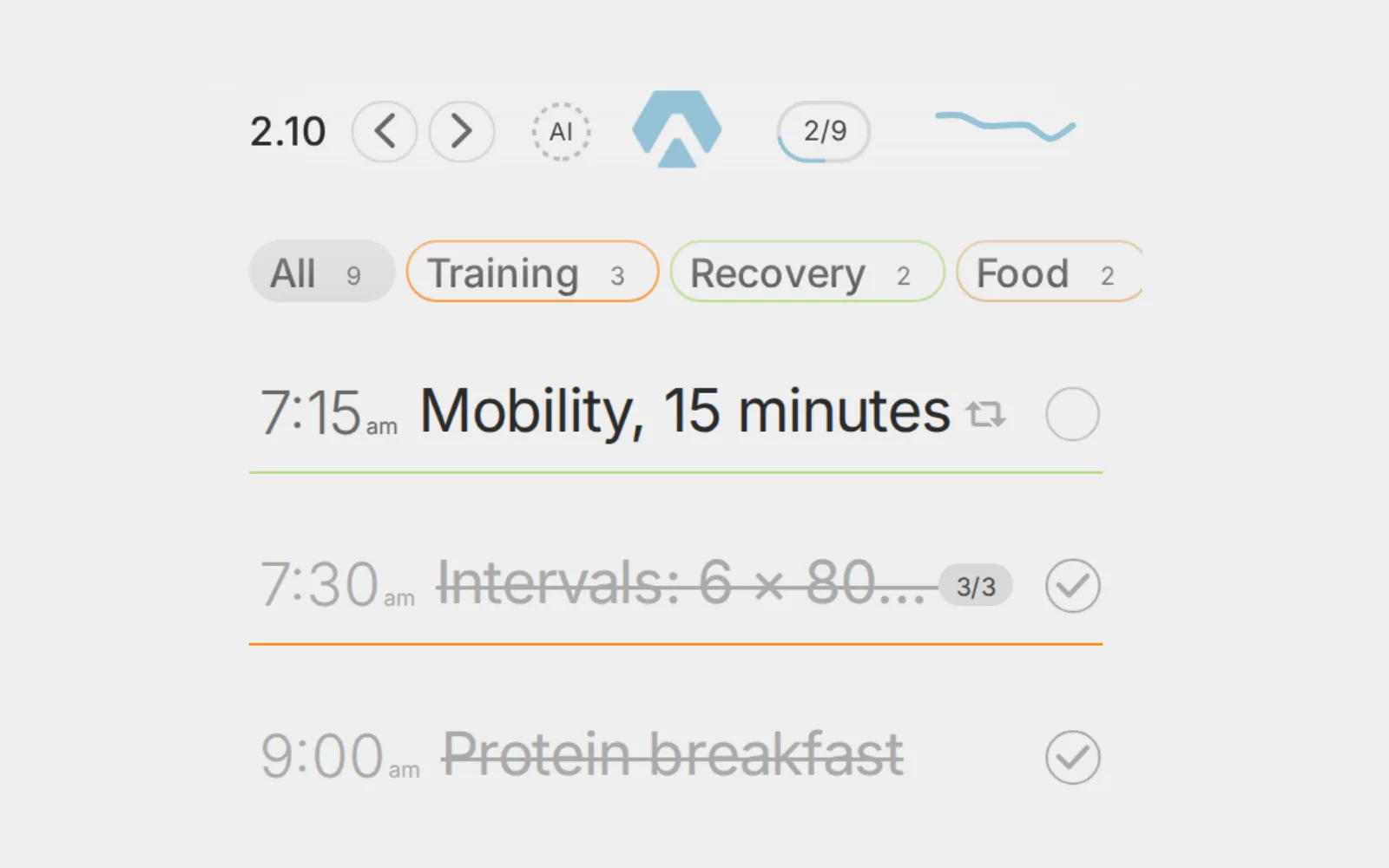
Some days end with twenty things done and a strange feeling that nothing happened. Inbox at zero. Small fixes shipped. Calls wrapped. And the one task that would actually have moved the work is still sitting there, untouched, politely waiting for tomorrow.
For years, that was my default. As a freelance designer, there's always something small and urgent asking to go first. Small tasks feel productive. They hand you a quick win. They also burn the hours when your head is clearest.
The fix is almost boring: do the hardest thing first. One task, the one that moves the work, done at the start of the day while your mind is still fresh. This idea used to travel under an old nickname about eating a frog. It's a dated image, so I'm retiring it. The principle stays, and it changed how I plan.
What "do the hardest thing first" actually means
Two rules. That's the whole method.
- Pick one task a day that matters most. Usually it's also the one you'd love to push to later: the hardest, the most uncertain, the one with real consequences.
- Do it first, before email, messages and the small stuff that will happily eat your entire morning.
Hardest doesn't mean longest or most urgent. It means the task that, finished today, would make the biggest difference to your work or your life. The first draft of the proposal. The pricing decision. The tricky message to a client. An hour of focused design on the screen that defines the whole flow.
Think of it as the load-bearing wall of your day. Everything else is furniture. You can move furniture around any time. The wall goes up first.
One hardest thing, not three. Pick three and you've picked none.
Why the most important task first works
Three reasons, and they stack.
Attention. Picking one task means you make the call once, in the morning or the evening before, instead of every hour. Without that call, each free moment turns into a tiny negotiation, and the easy option wins. It works like a default setting: configure it once, and the day stops asking you.
Dread. An important task you're avoiding doesn't sit quietly. It hangs over the day, and waiting for something unpleasant can feel worse than the thing itself. Research on dread shows that many people would rather get an unpleasant event over with sooner than sit and wait for it. Do the hard part first and the weight lifts early. Like getting into cold water: the first minute is the whole problem.
Protection. Mornings tend to be the least interrupted part of a working day. Clients aren't online yet, meetings haven't started, and the day hasn't had a chance to rearrange itself. Put your most important work there and it gets the best odds of actually happening.
Morning productivity, with one honest caveat
"First" doesn't have to mean 7 a.m. Some people think best late in the day, and that's fine. The real rule: give your hardest task your best hours, before the day gets to decide for you. If your best hours come after lunch, the hard thing goes there and everything else arranges itself around it. I dig into this in manage energy, not just time.
For most of us, though, the clearest head shows up early, which is why so much morning productivity advice holds up. Still, the morning is the default, not the law.
How to prioritize your day around the hardest thing
- 01Pick it the evening before. At the end of your workday, look at tomorrow and ask one question: if I finish only one thing tomorrow, what should it be? Write it down. Decide at night, wake up with nothing left to decide.
- 01Make it concrete. "Work on the Fintech project" is a mood, not a task. "Design the onboarding screen for the Fintech app, two variants" is something you can sit down and do. If the task is big, define the slice you'll finish today.
- 01Start before you open anything else. No inbox, no Slack, no news. Open the file, the doc or the draft first. If you truly need to check for fires, give it two minutes with a hard stop, then come back.
- 01Give it a block of time. Ninety minutes is a solid default for deep work, but forty-five focused minutes on the right task beats a full day on the wrong ones. Put the block on your day so the time is visibly taken.
- 01Can't start? Make the start smaller. Sometimes the hardest thing is so big that even sitting down with it feels impossible. That's your cue to break it into steps and make the first one tiny. I walk through this in how to start a task you keep avoiding, and the 5 minute rule is a great way to get rolling.
- 01Then let the rest of the day be ordinary. Once the hard part is done, the pressure drops. Answer messages, ship the small fixes, take the calls. What mattered already happened.
- 01Read the pattern over a week. On Friday, look back. How many days was the hardest thing done before lunch? What got in the way on the others? That's real data about your working conditions, and it beats any plan. A short weekly review is the perfect place for it.
Common mistakes with daily priorities
Picking too many. Five daily priorities is a regular to-do list in a nicer jacket. Pick one. Finish early? Pick another. Start with one.
Choosing urgent over important. An urgent client request may need to happen today, but it's rarely your hardest thing. The hardest thing builds something: the product, the portfolio, the relationship, the plan. That's how to focus on what matters when everything shouts at once. Handle urgent stuff after, or in a short slot before, with a clear limit.
Making it the whole project. "Launch the website" isn't a day's task. If it's too big to finish, you end the day feeling like you failed, even after good work. Define today's slice.
Stacking a full day behind it. Some people put the hard task first, then pile eight more hours of tasks behind it. When it runs long, everything feels late. Leave slack in the system. A short day you finish beats a long day you drag into the evening, which is the whole point of not overplanning your day.
How Aimgod helps
Aimgod is built for a short, calm day, and doing the hardest thing first slots right in.
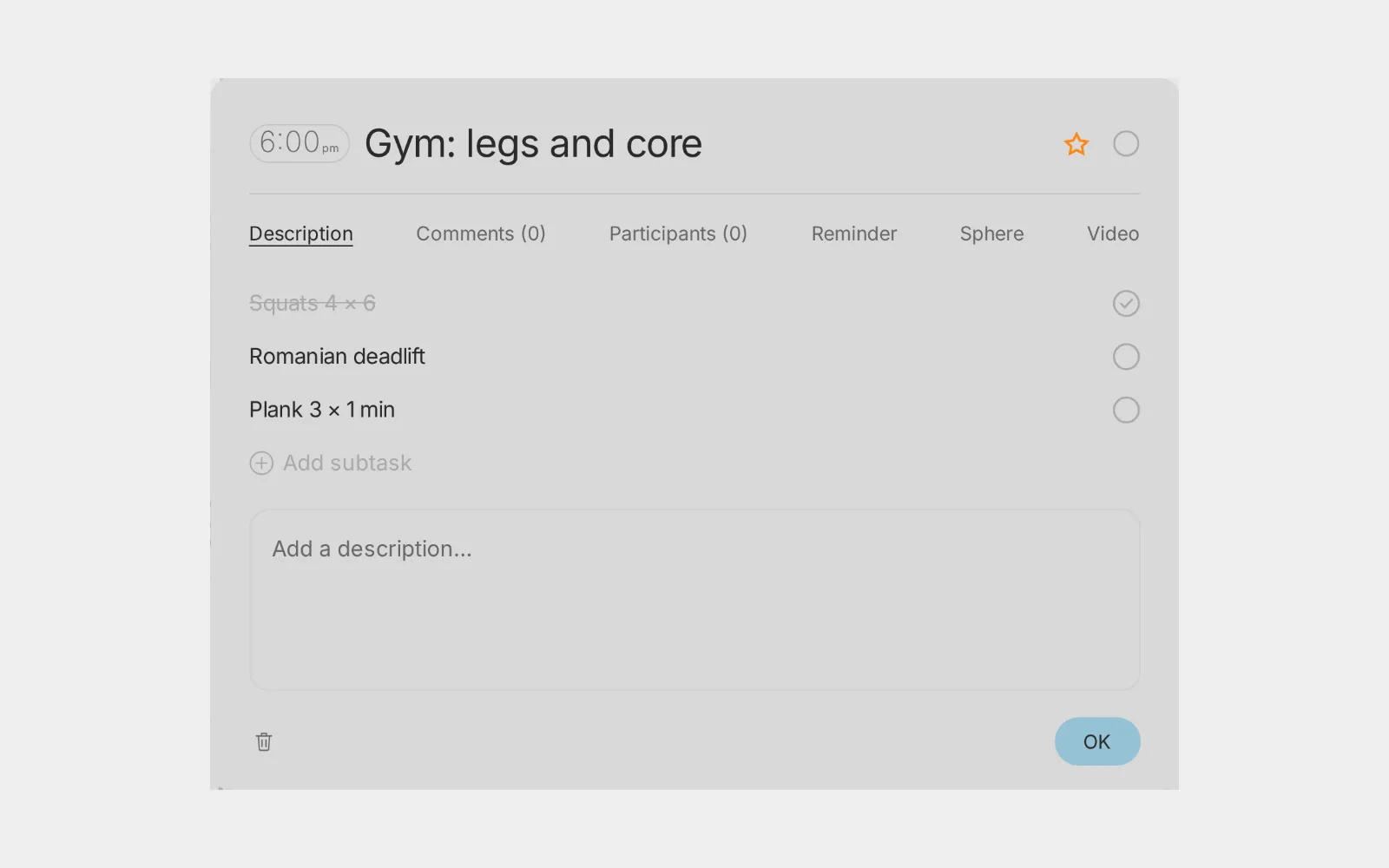
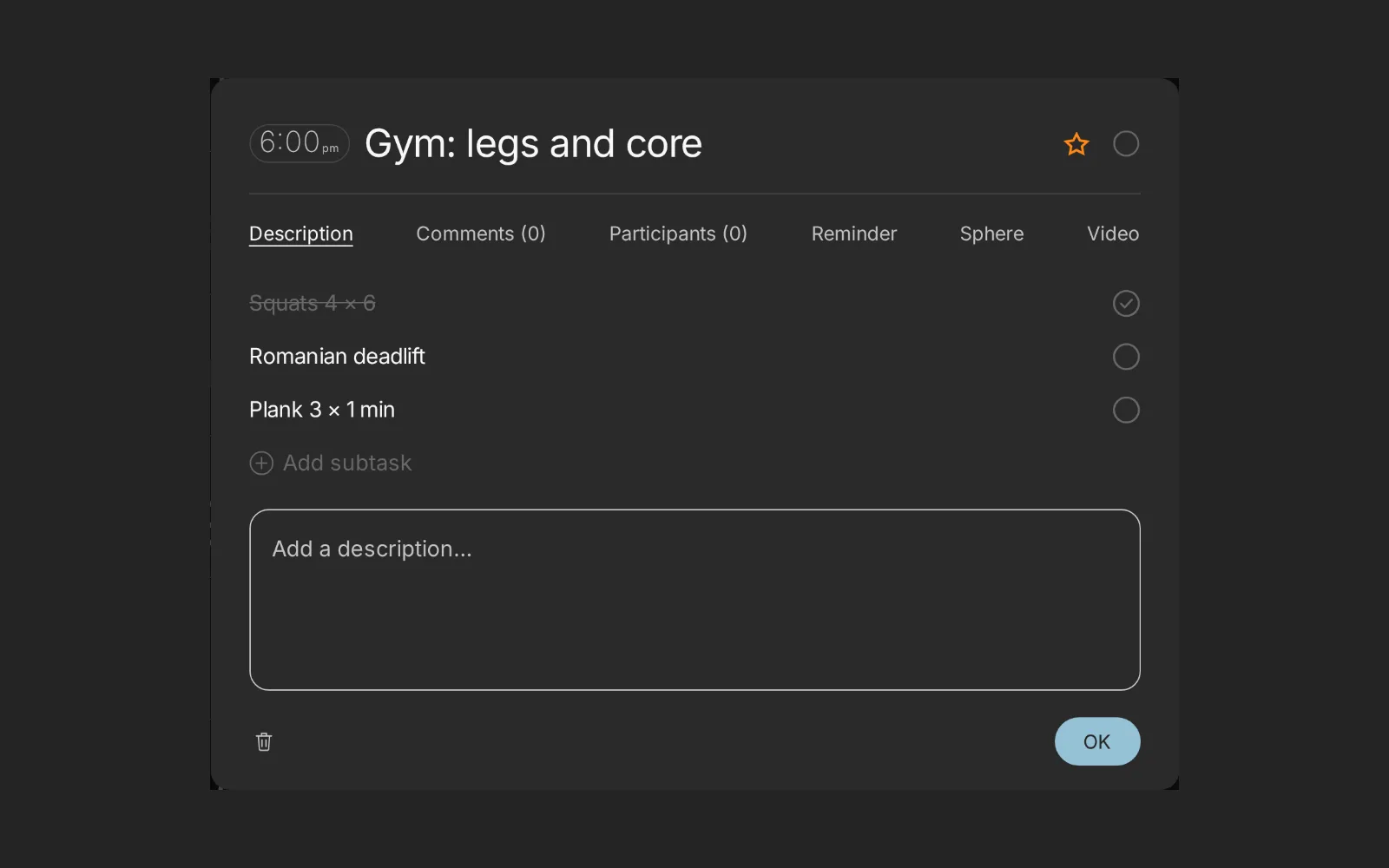
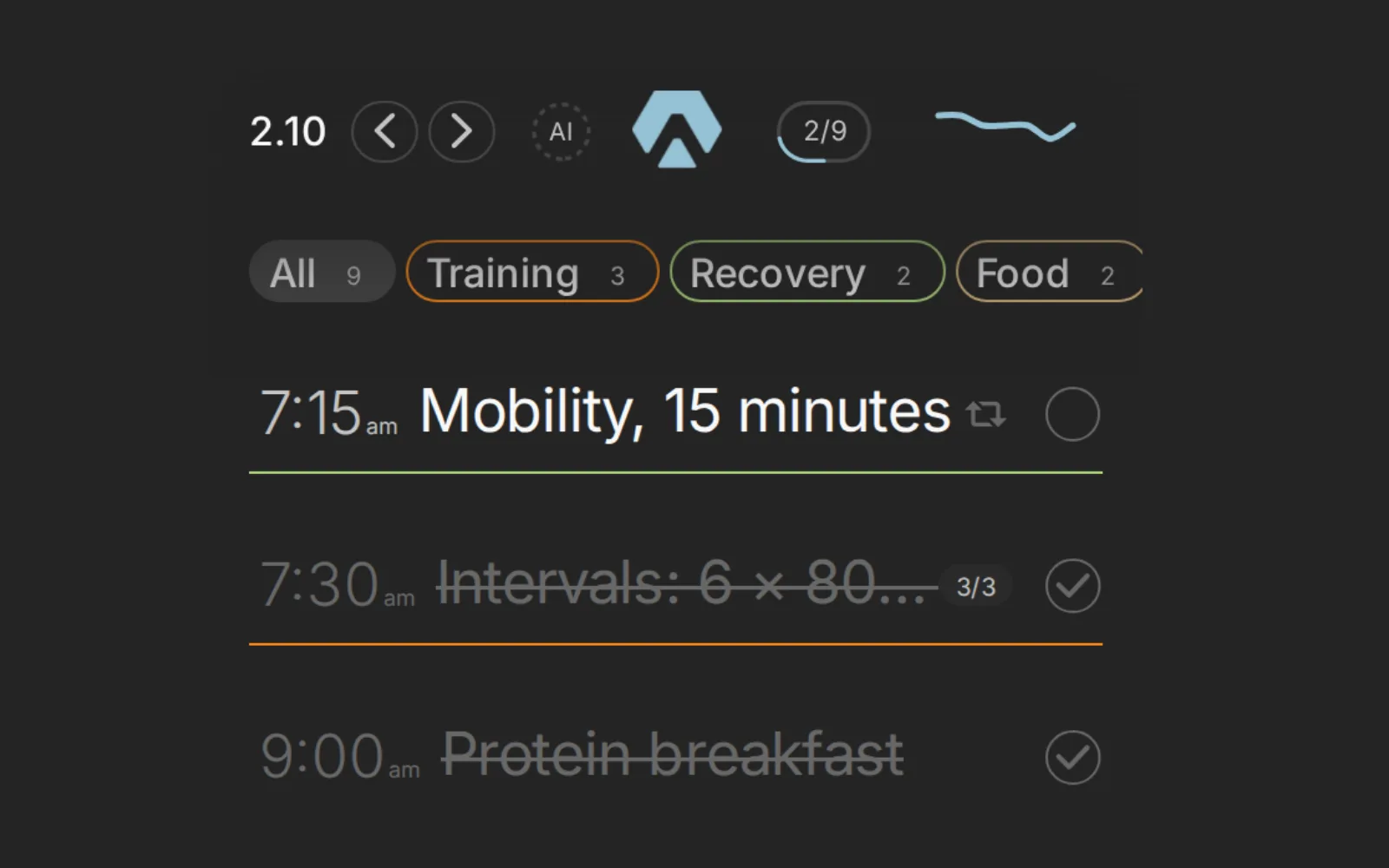
The star, live today. Star any task to mark it as the one that matters most. The star sets it apart from everything else on your day, so when you open Aimgod in the morning, your hardest thing is the first thing you spot. My advice: one star a day, the rest stay plain.
Your main goal, live today. Your main goal for now sits beside the day. It reminds you what all the hard work is for. When you pick tomorrow's task in the evening, a quick glance at it helps you choose the one that actually moves you forward. Not sure what that goal should be? Start with values vs goals.
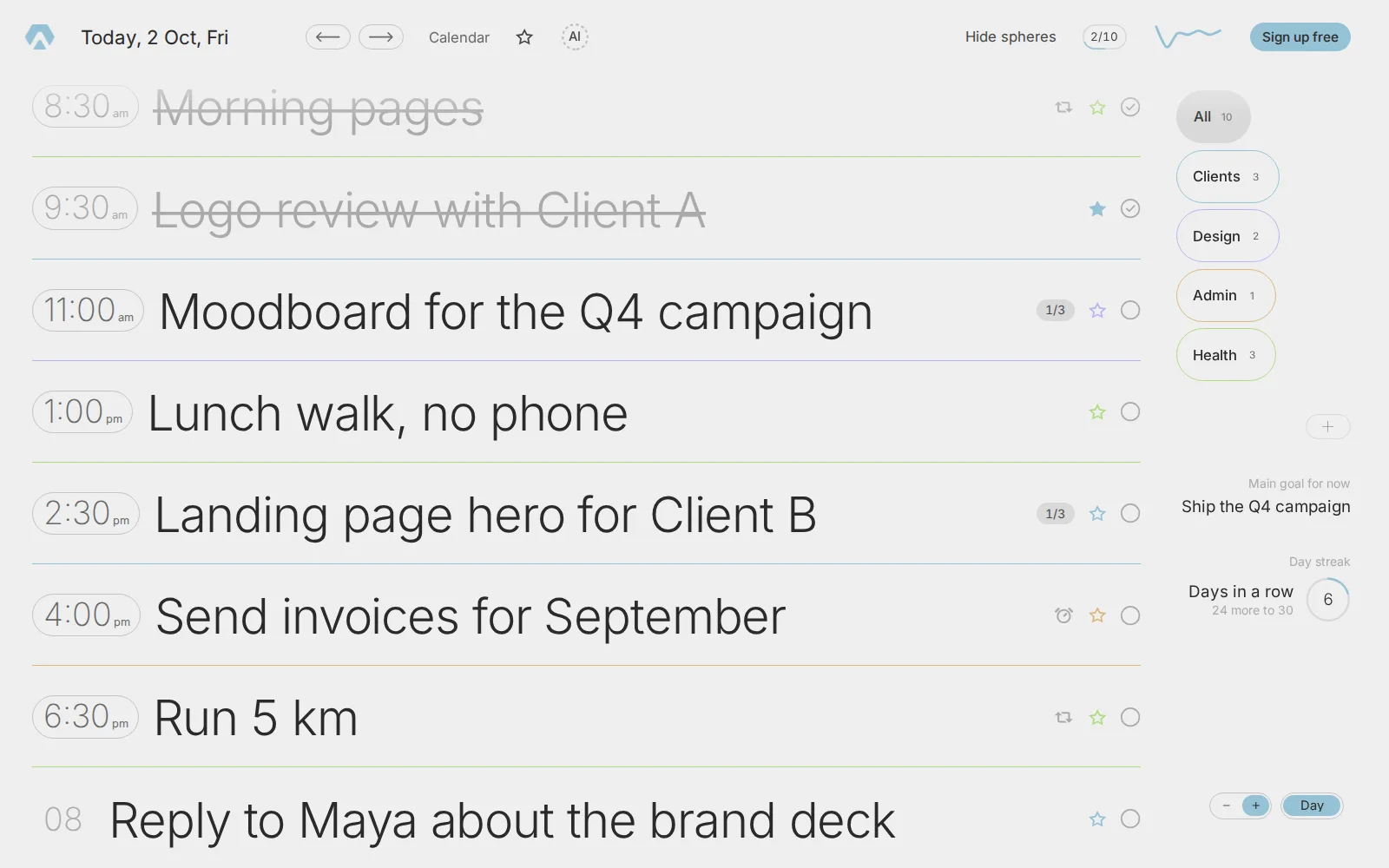
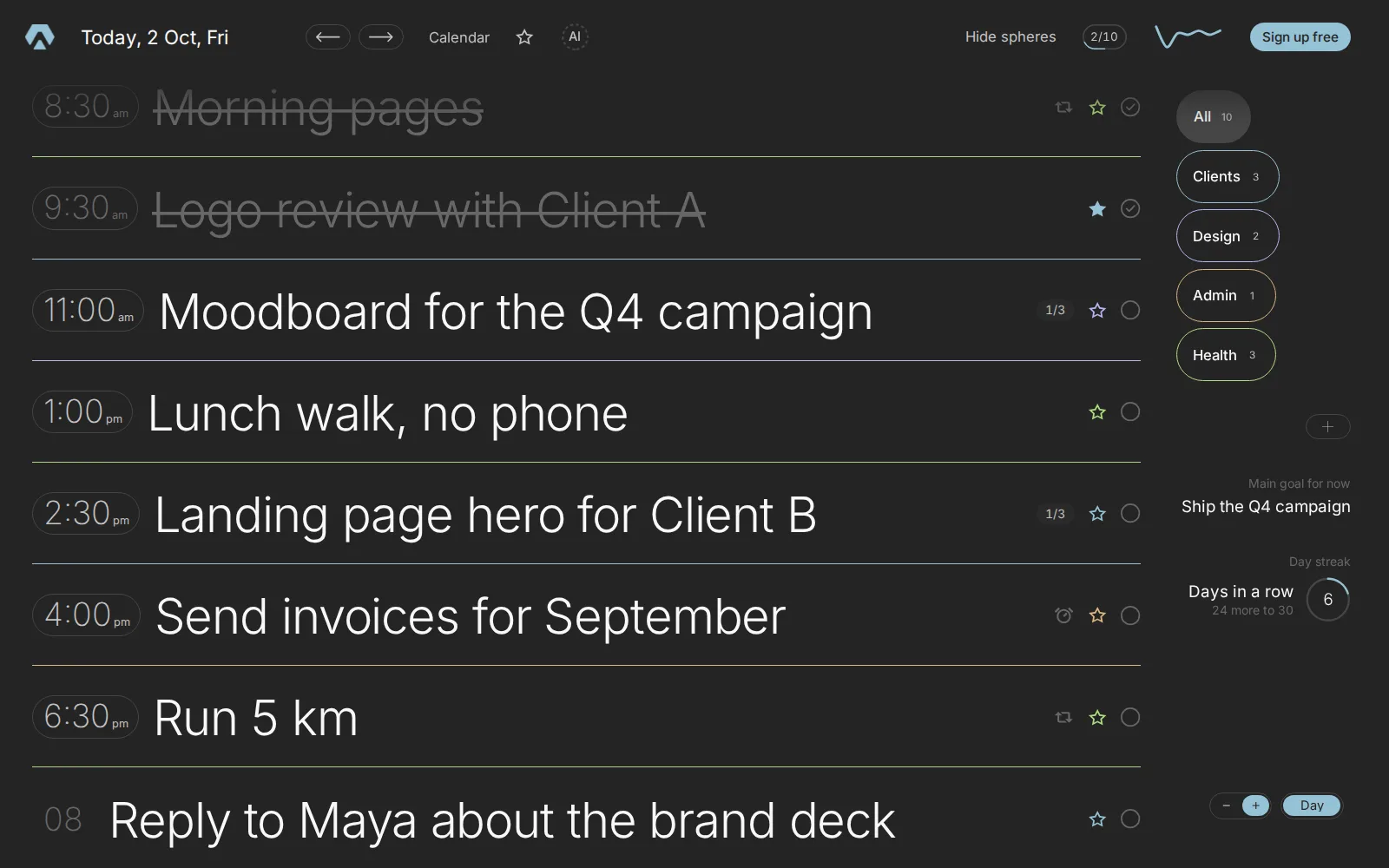
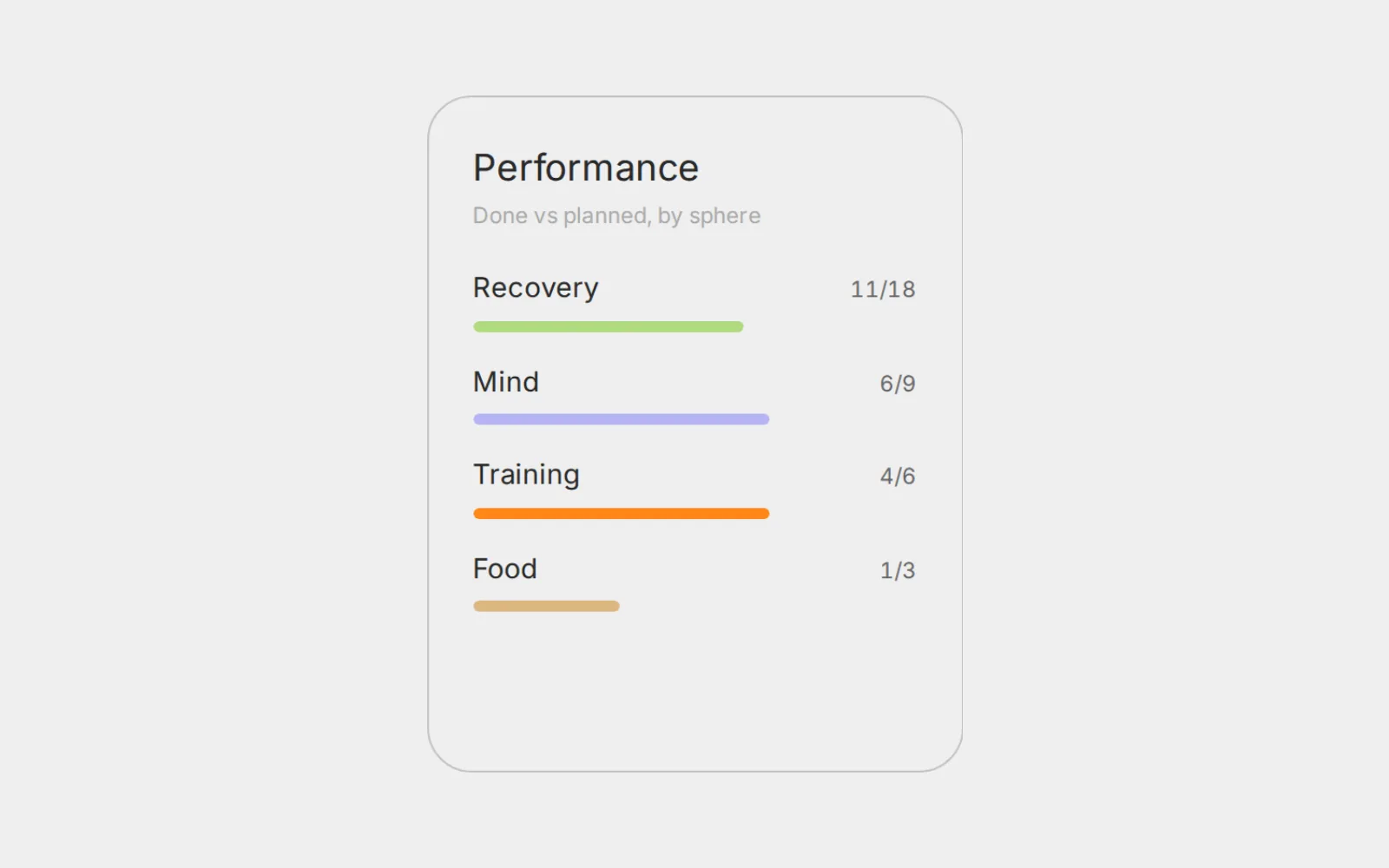
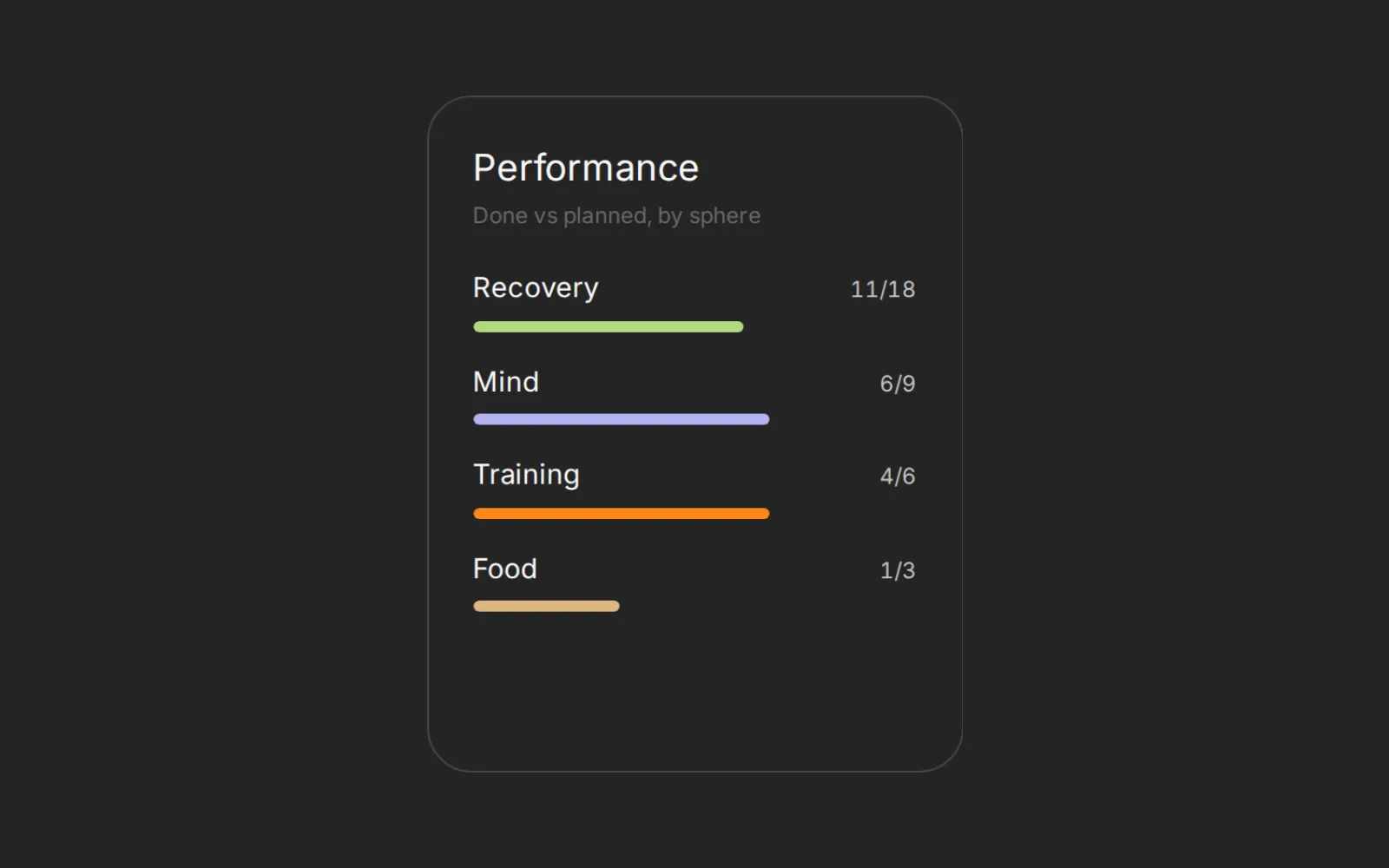
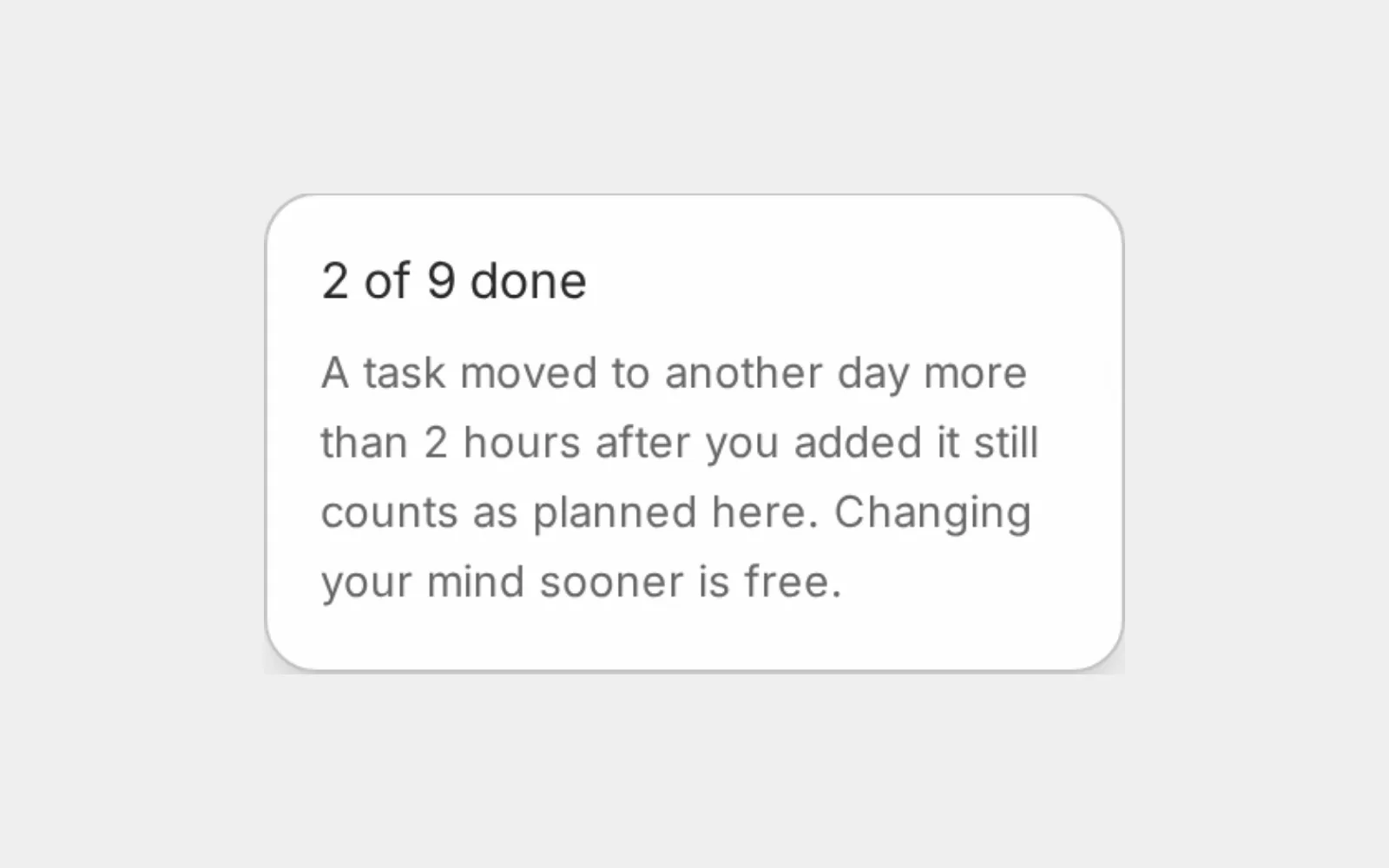
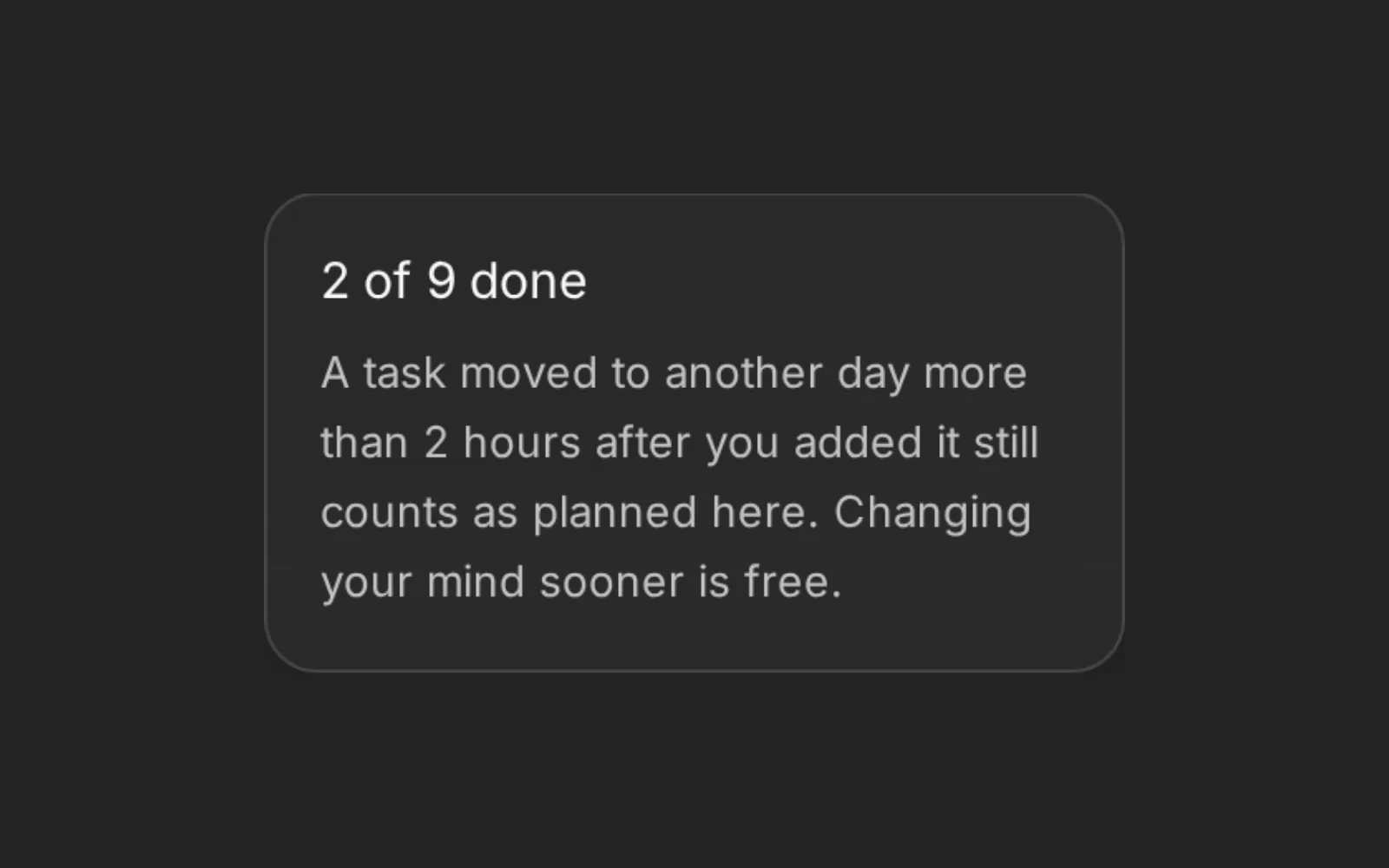
Hardest first, coming in November 2026. Starting in November 2026, the dashboard will show how many days your starred task was done before noon. One simple number, and it answers that Friday question from step seven without you rebuilding the week from memory.
One thing, done first
If you've been looking for how to focus on what matters, you don't need a fancier system to have better days. You need one clear decision, made the night before, and the follow-through to act on it before the world grabs your attention. Pick your hardest thing tonight. Tomorrow, do it first, then notice how the rest of the day feels. Spoiler: lighter.
FAQ
What does "do the hardest thing first" mean?
Pick the one task that would move your work the most and do it at the start of your day, before email and small tasks take over. Most important task first, in your clearest hours.
Does the hardest thing have to be done in the morning?
No. The rule is to give it your best hours. For most people that's the morning, but if you focus best after lunch, put it there and plan the rest around it.
What if the hardest task is too big to finish in one day?
Then it's a project, not a task. Pick the part you can finish today, like a first draft or one screen, and make that today's hardest thing.
Oleksandr Sendziuk believes the day belongs to whoever decides what comes first.
Follow the build on LinkedIn ↗