In Aimgod: Habit formation, live now
How Long Does It Take to Form a Habit? About 66 Days
How long does it take to form a habit? Research points to about 66 days, not 21. Why one missed day is fine and how to set a bar you can actually keep.
 By Oleksandr Sendziuk, founder of Aimgod · · 6 min readFollow on LinkedIn ↗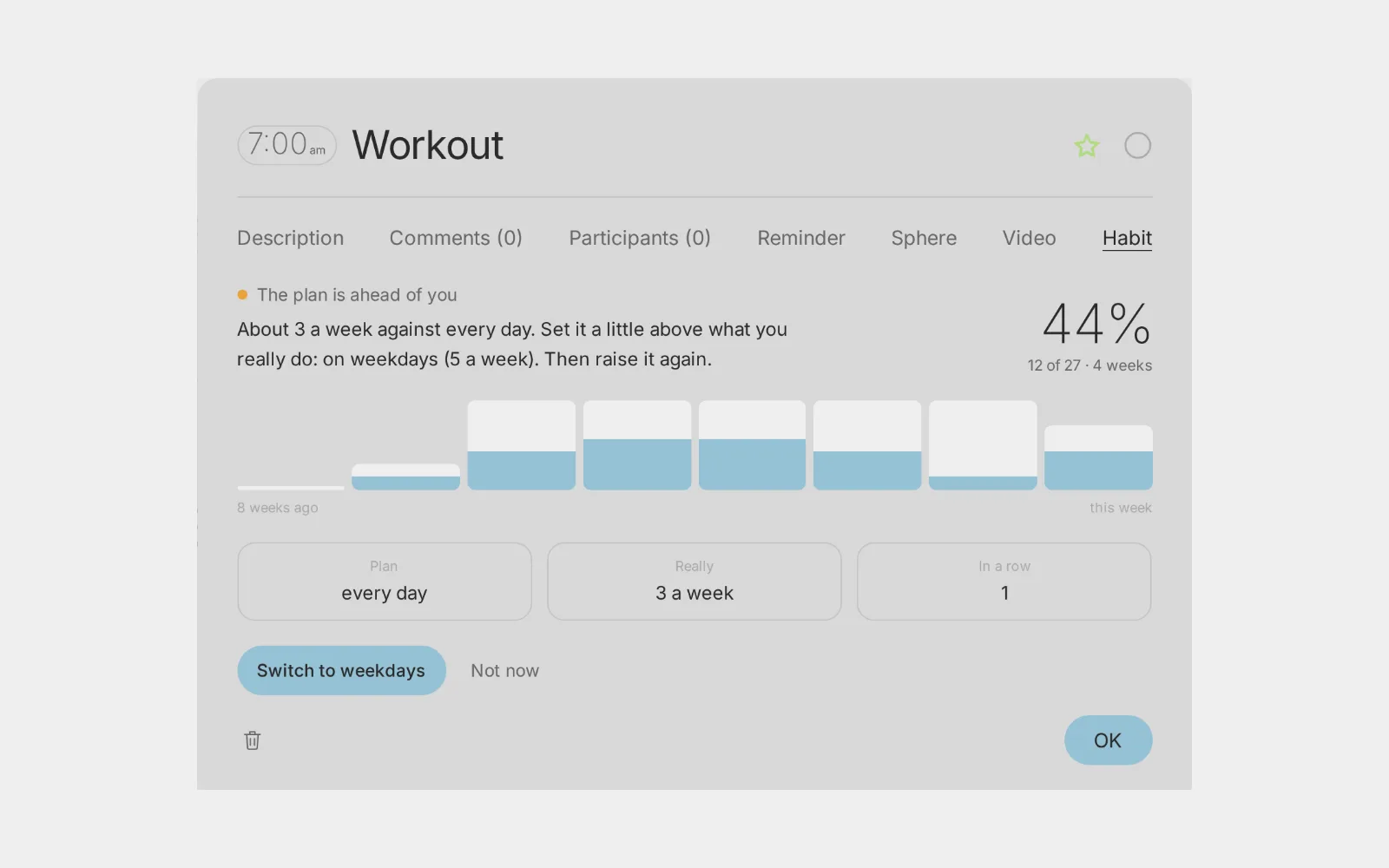
Most of us heard that a habit takes 21 days. So we start on a Monday, cruise for a week and a half, miss one evening, and decide we blew it. The habit fades out and lands on the list of things we're apparently "not disciplined enough" for.
So how long does it take to form a habit, really? The research answer is longer than 21 days and a lot more forgiving. Stick with me, that's good news.
I've started and dropped more habits than I can count. What finally worked was learning the honest timeline and tuning my plan to what I actually did, instead of defending the plan I wished I could keep. This post covers both.
What habit formation really means
A habit is a behavior that fires almost on its own when you hit a familiar situation. You pour your coffee and reach for the book. You close the laptop and grab your running shoes. The decision has been made so many times it doesn't need making anymore.
Habit formation is the slow build of that autopilot. It comes from repeating the same behavior in the same context until the context alone is enough to start you. Motivation gets you going. Repetition makes it stick.
Where the "21 days to form a habit" idea came from
The 21-day number usually traces back to Psycho-Cybernetics, a 1960 book by the plastic surgeon Maxwell Maltz. He noticed people seemed to need a minimum of about 21 days to get used to a change, like a new face in the mirror. Somewhere along the way, "a minimum of about 21 days" became "exactly 21 days." Habits never got the memo.
How long does it take to form a habit, according to research
In a well-known 2010 study from University College London, led by Phillippa Lally, volunteers picked one daily behavior: drinking a glass of water with lunch, eating a piece of fruit, doing a short exercise routine. Every day they rated how automatic it felt.
Automaticity climbed fast at first, then leveled off, like a learning curve. The median time to reach that plateau was about 66 days. The range was wide: about 18 days for some people, an estimated 254 days for others. Simple behaviors, like drinking water, tended to become automatic sooner than demanding ones, like exercise.
Why 66 days to form a habit is a median, not a deadline
Two findings matter most in practice. One: a typical habit takes about two months, and harder ones take longer, so the 21-day promise sets people up to quit right in the middle of the curve. Two: missing a single day didn't meaningfully hurt the process. What counted was the overall pattern of repetition.
That's why adjusting the plan works. Think of it as a feedback loop. A target you hit three times out of ten quietly trains you to ignore your own plan. A slightly smaller target you hit most days gives you steady repetition in a stable context, which is exactly what autopilot needs. Steady and modest beats ambitious and abandoned.
How to build a habit that sticks
- 01Pick one habit and one cue. Tie it to something that already happens every day: after coffee, after the first client call, after lunch. A cue turns an intention into a trigger. The guide to if-then plans with real examples shows how to write one.
- 02Start smaller than feels useful. Ten minutes of reading, one sketch, one outreach message. In the first weeks the goal is repetition. Volume can show up later.
- 03Track the rate, not just the streak. Five days out of seven is a strong week. Whatever habit tracker you use, a streak tells you how long you went without a miss. A rate tells you how the habit is really doing. Better metric, better decisions.
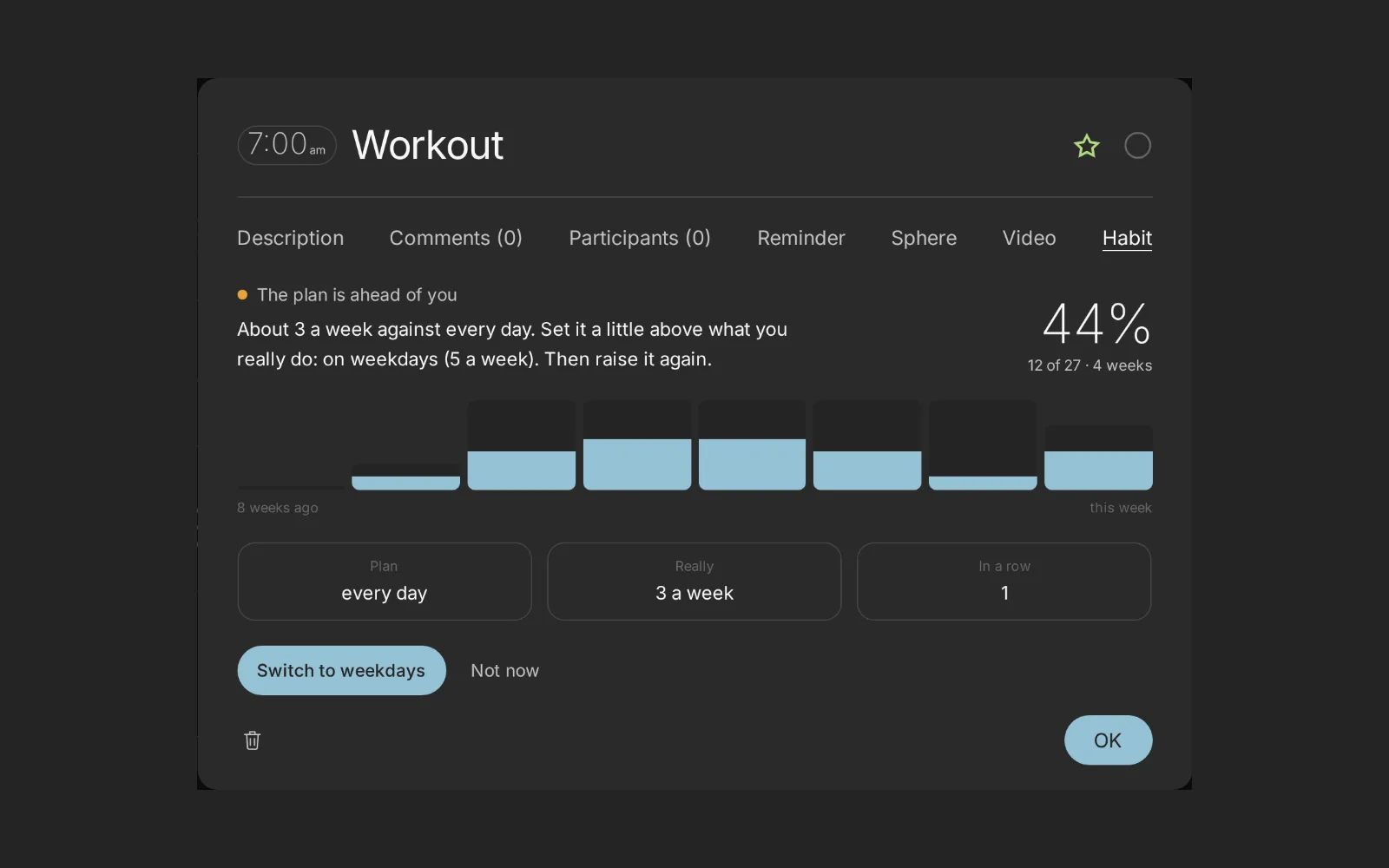
- 04After four weeks, compare plan with reality. If you planned a daily habit and actually did it about three times a week, set the target a little above what you really do: four times a week. The bar should stretch you a bit and stay within reach.
- 05Raise the bar after a steady month. When you hit the target consistently for about a month, raise it one notch. Four times a week becomes five. Ten minutes becomes fifteen.
- 06Shrink it if it never happens. If a habit hasn't happened in weeks, the issue is the size or the cue, not your character. "Write 500 words" becomes "open the draft and write one sentence." The five-minute rule for getting started is a great model here.
- 07Expect a long curve. Plan for two months at least, longer for complex habits. Week three often feels like the hardest. It's usually just the middle of the climb.
Here's how it plays out for a designer. You decide to sketch interface ideas every morning for 30 minutes. After four weeks, the record shows nine sessions in twenty-eight days. Skip the guilt and change the plan: 15 minutes, four mornings a week, right after you open the laptop and before email. A month later you've hit that target most weeks, so you bump it to five mornings. By the end of month three, opening the laptop and sketching are one smooth motion.
Common mistakes
Believing the "21 days to form a habit" promise
Expect a habit to feel easy after three weeks, and week four feels like failure. The fix: expect around two months, and treat effort in week five as completely normal.
Treating one miss as the end
One missed day has little effect on habit formation. The real danger is the story you tell yourself about it. The fix: the next scheduled day is the only one that matters. If you slip and the guilt piles up, try a fresh start without guilt.
Keeping an unrealistic target out of pride
A daily target you hit twice a week is quietly teaching you to skip. The fix: lower the bar to a little above what you really do, then raise it once the new level holds for a month.
Building several habits at once
Each new habit needs attention and a reliable cue. Five at once usually means five half habits. The fix: one or two at a time. Add the next when the first starts to feel automatic.
How Aimgod helps: a habit tracker that adjusts with you
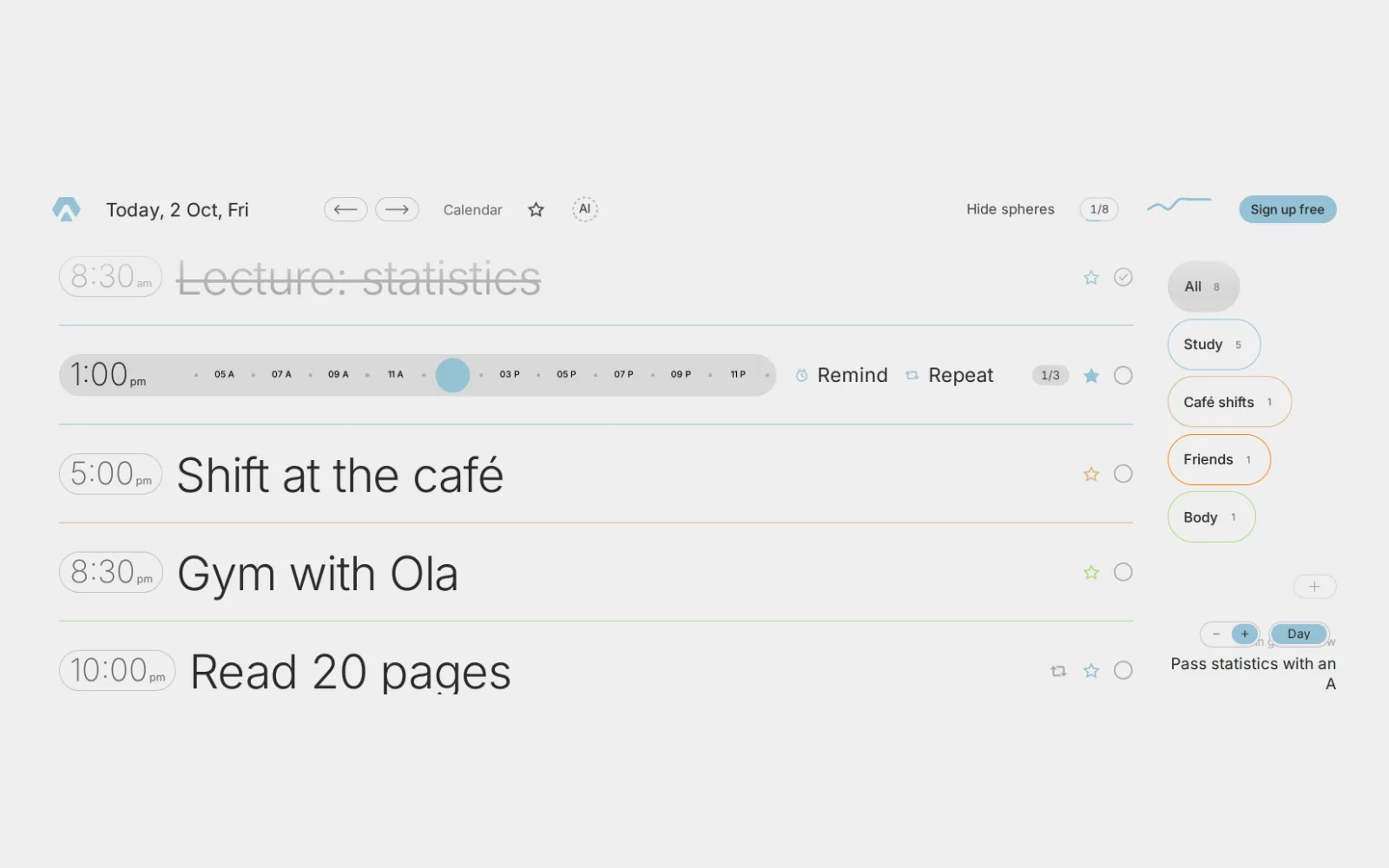
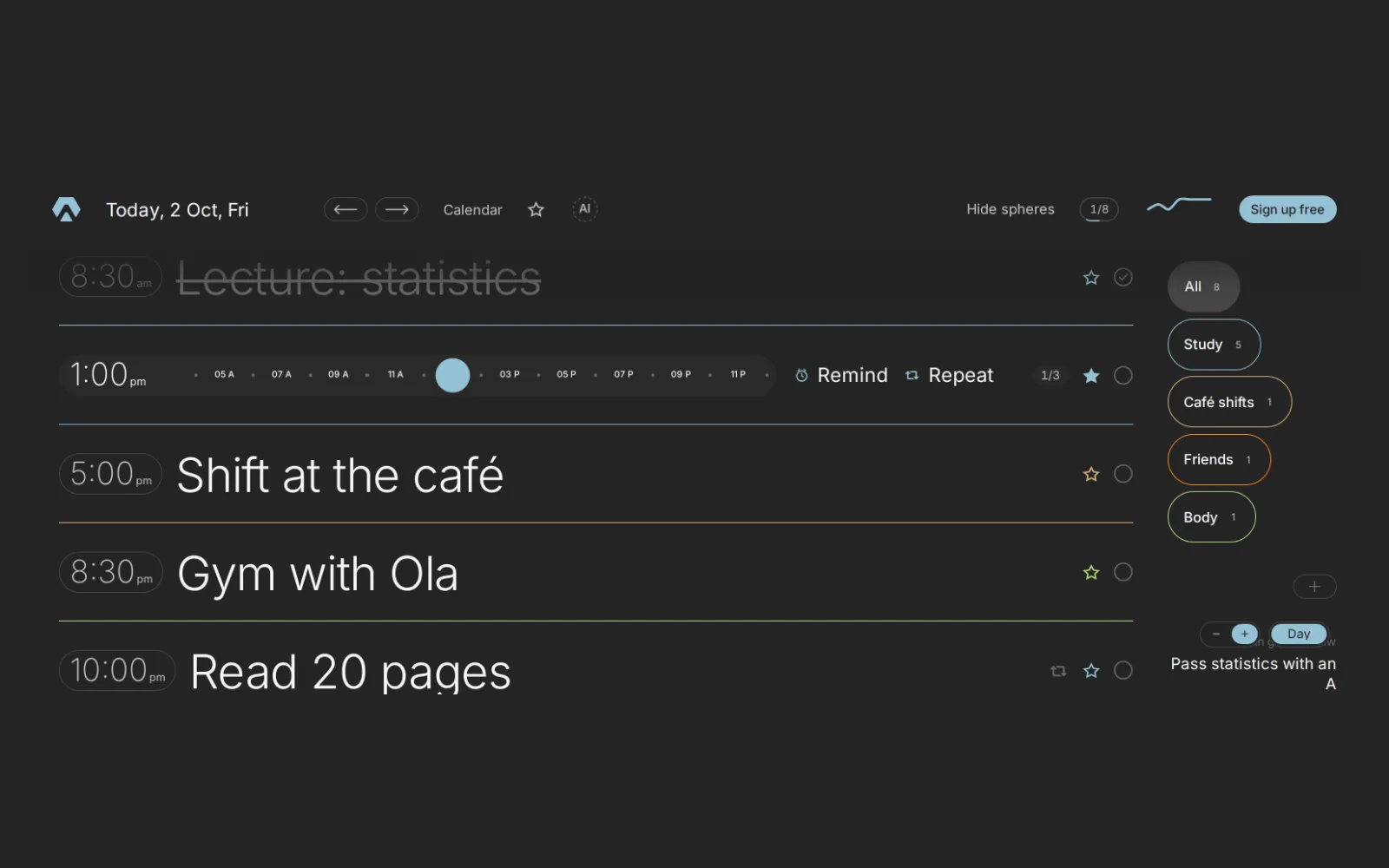
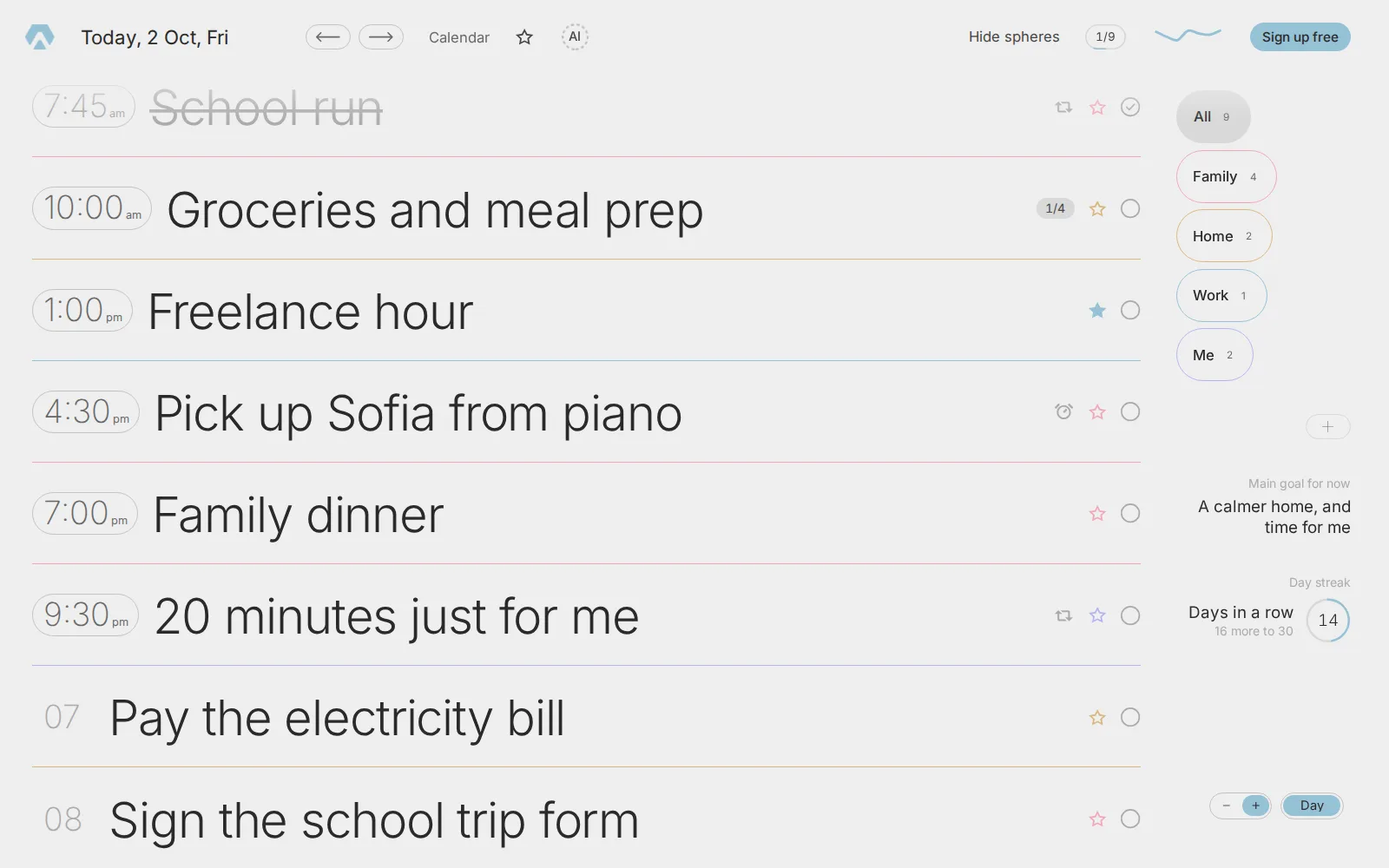
Habit formation in Aimgod is live today. Every repeating task gets a Habit tab. It shows your rate over the last four weeks, eight weeks of bars so you can see the shape of the habit, your current streak, and one suggestion: raise the bar, keep it, lower it, or make the habit smaller. The suggestion runs on the logic of this post and on what you've actually done.
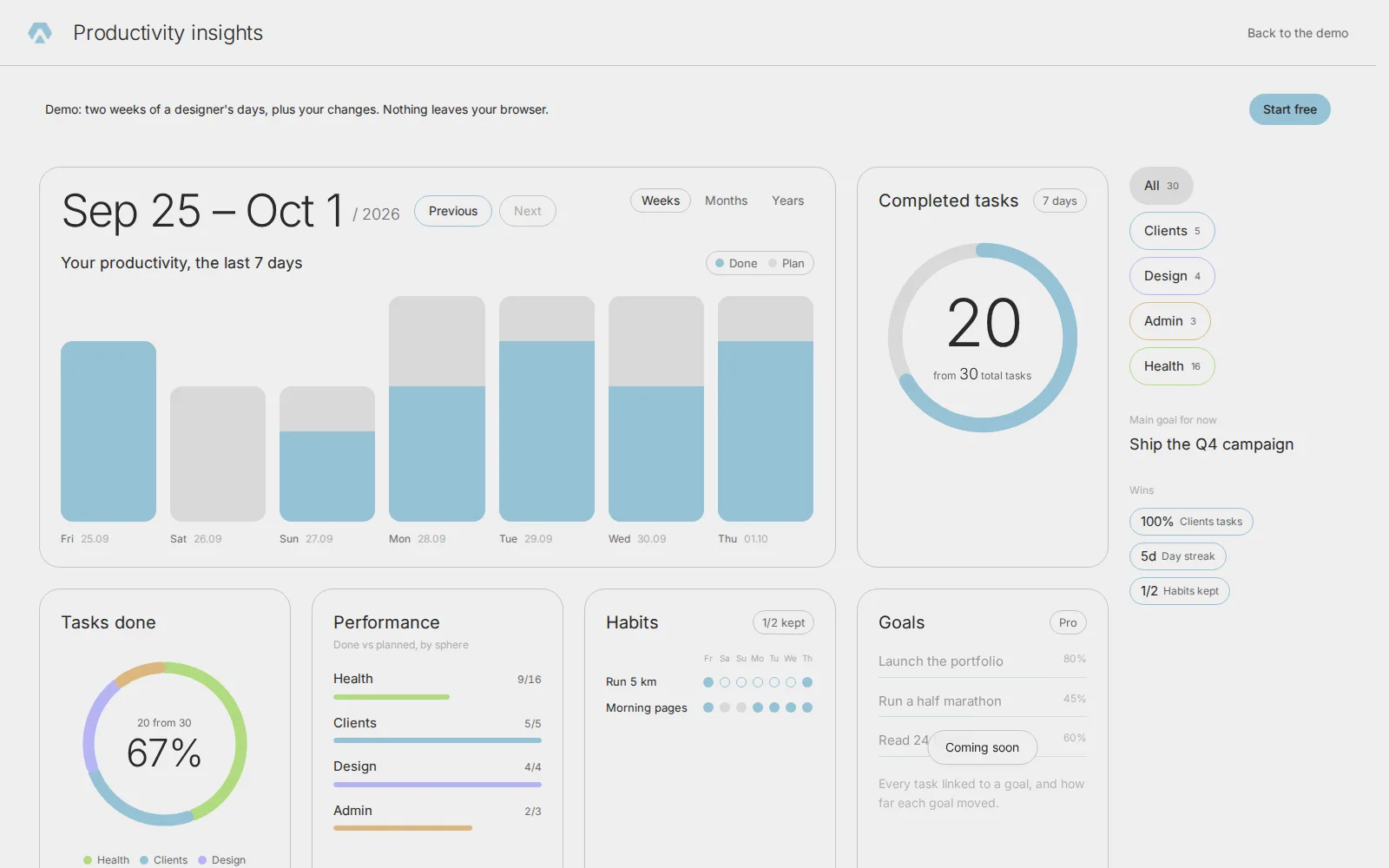

Once a month you also get a habit report, a short overview of how each habit went, so adjusting the plan becomes a small routine instead of a guess.
Coming in October 2026: a "day 23 of about 66" counter on each habit, so you can see where you are on the curve and remember that the middle is supposed to feel like the middle.
Give it the time it needs
For most people a habit takes about two months, sometimes much longer, and a missed day changes very little. So here's how to build a habit in one breath: pick one behavior, tie it to a cue, set the bar where you can actually hit it, and adjust it every month. If you like spotting small progress, an evening wins journal is a nice place to count each rep. Be patient. Patience is part of the method.
FAQ
Is it 21 days or 66 days to form a habit?
Research points to about 66 days as the median, with a range from about 18 to 254 days. The 21-day figure comes from an old observation about getting used to change, not from studies of habit formation. Think two months, not three weeks.
Does missing a day ruin a habit?
No. In the research, one missed day didn't meaningfully change how automatic a habit became. What matters is showing up on the next scheduled day.
What is the easiest way to build a new habit?
Start very small, tie the habit to something you already do every day, and track how often it happens. After four weeks, adjust the target to what you actually did.
Oleksandr Sendziuk believes a habit is a promise you keep to yourself, one small day at a time.
Follow the build on LinkedIn ↗