In Aimgod: Weekly review, coming December 2026
Weekly Review Template: A Chill 15 Minute Sunday Reset
A simple weekly review template for Sunday: close the week, sort leftovers honestly, pick three outcomes, and give new ideas a first step before they fade.
 By Oleksandr Sendziuk, founder of Aimgod · · 6 min readFollow on LinkedIn ↗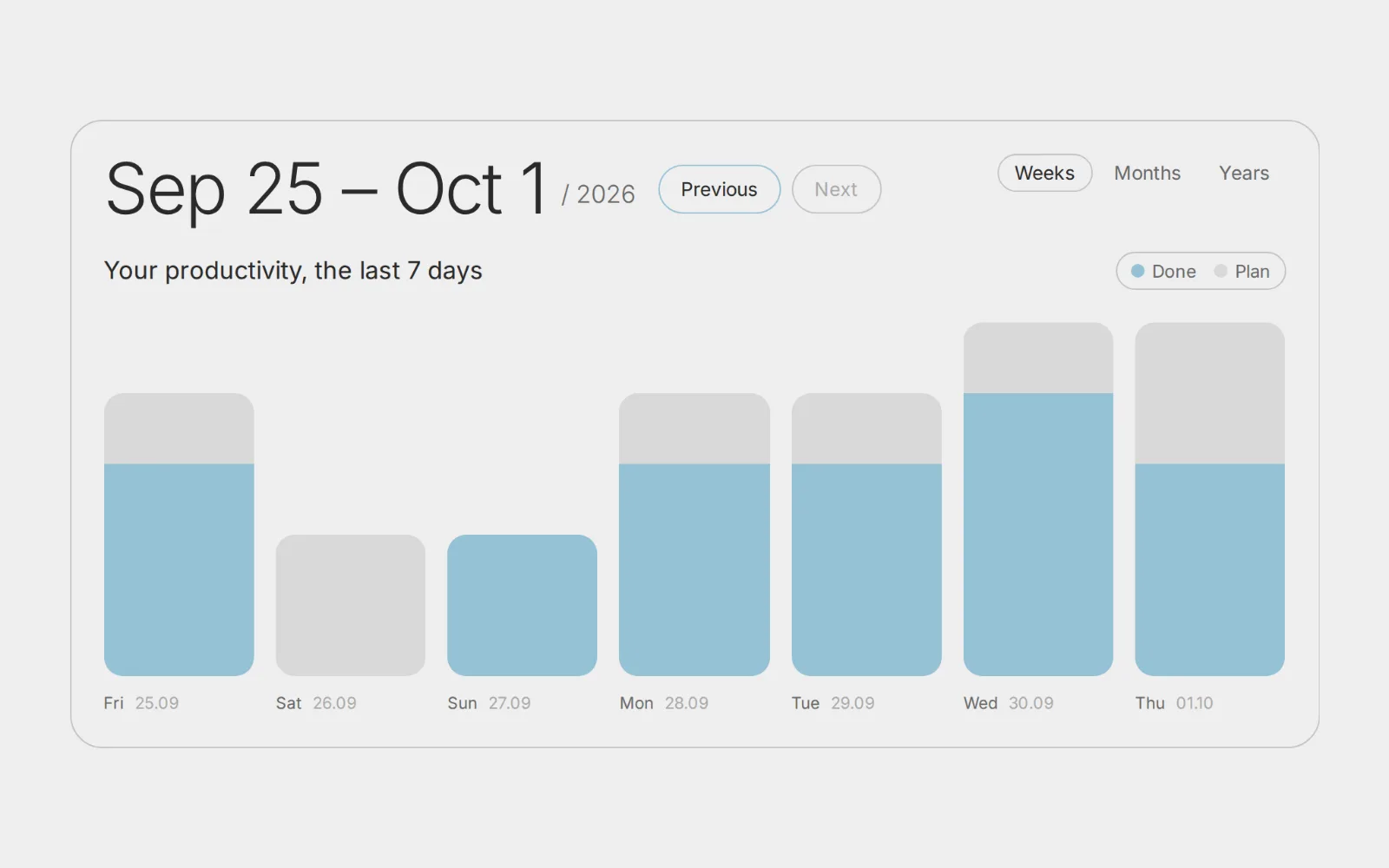
By Friday afternoon, most weeks look the same from the inside. A few things got done. A few slipped. And a handful of new ideas are scattered across notes, chats and the back of your head. Walk straight into Monday from there and the new week inherits all of it, unsorted. Bad handoff.
A weekly review template fixes that. It's one of the simplest habits I know, and it takes less time than people expect. Sunday evening works best for me: the week is done, Monday is close, and fifteen minutes is plenty. Call it a Sunday reset for your plans.
What a weekly review is
A weekly review is a short, regular session where you look back at the past week and set up the next one. Four parts:
- 01Close the week. See what you planned and what you finished.
- 02Sort leftovers honestly. Decide what happens to each unfinished task.
- 03Pick three outcomes for next week. Results that would make it a good week.
- 04Act on new ideas. Every idea worth keeping gets a first step within a few days.
That's it. A reset, not a report card.
It also does a different job than daily planning. A day plan answers "what's next?" A weekly review answers "is this heading where I want it to go?" Think of it as a feedback loop for your plans: a calm moment to correct course before small drifts compound into a lost month.
Why weekly planning works
During the week you're inside the work, and it's hard to tell whether the days add up to anything. Step back once a week and you get the view from above: what moved, what stalled, what you keep pushing to "later."
It clears your head, too. Unfinished tasks and loose ideas keep tugging at your attention until they have a concrete plan. Studies of this effect suggest that making a specific plan, even before you do the task, eases that background pull. A weekly review makes those plans for everything in one pass, so Monday starts with a lot less noise.
A small number of outcomes helps for a different reason. A long list spreads your effort thin and makes it hard to tell a good week from a merely busy one. Three clear outcomes give the week a shape and give each day a target.
And ideas have a short shelf life. Leave one untouched for weeks and it usually loses its pull and quietly fades. One small action within a few days keeps it alive long enough to find out if it deserves more.
My weekly review template, step by step
Here's how to do a weekly review the way I do it. Fifteen minutes, roughly. Snacks optional, but encouraged.
- 01Pick a fixed time. Sunday evening suits a lot of people. Friday afternoon works too. What matters is that it repeats.
- 02Look at the week as a whole. Open your week and compare planned with done for each day. Notice, don't judge. Which day was overloaded? Which was lighter than you expected?
- 03Name what went well. Write down two or three things you finished or moved forward. It's proof the week counted, and it turns the review into something you look forward to.
- 04Decide on every leftover. Each unfinished task gets one of three calls: move it to a specific day next week, shrink it into a smaller first step, or delete it. A task moved three weeks in a row needs a different answer, usually a smaller step or an honest delete. If it's one you keep dodging, here's how to start a task you keep avoiding.
- 05Pick three outcomes for next week. Results, not activities. "Client approves the homepage direction." "Portfolio case study published." "September invoices sent." Check that they fit the goals and values you're working toward.
- 06Plan your week around energy. Put the first task for each outcome on a specific day, ideally when your energy is high. Not sure when that is? Read how to manage your energy, not just your time. And leave some slack. A week planned to the edge breaks by Tuesday.
- 07Sweep your ideas. Pull them in from notes, messages and memory. For each one worth keeping, put one small action on a day within the next three days: send the email, make the first sketch, book the call. Let the rest go.

Weekly reflection questions to keep it easy
If you like prompts, these weekly reflection questions cover the whole review:
- What did I plan, and what did I actually finish?
- What went well this week?
- Which leftover have I moved more than twice, and what will I do with it now?
- What three results would make next week a good one?
- Which idea deserves a first step this week?
A real review can be very plain. Planned 24 tasks, finished 17. Went well: homepage concept approved, case study draft done. Leftovers: two client fixes moved to Monday, one research task cut down to a smaller first step, one old idea deleted. Outcomes for next week: mobile screens delivered, case study published, invoices sent. Ideas: a short newsletter for past clients, with a first step on Wednesday to write three possible topics. Done in a few minutes.
Then close the laptop. The review is done when next week has a shape, even if not every detail is decided.
Common mistakes
Turning it into a marathon. A two hour review rarely survives a month. Fix: set a fifteen minute limit and stick to the four parts.
Moving leftovers without deciding. Dragging everything forward feels productive and changes nothing. Fix: every leftover gets a day, a smaller step, or a delete.
Too many outcomes. Ten outcomes is a to-do list wearing a fancy hat. Fix: three. If something important doesn't fit, it waits a week.
Skipping it after a bad week. The weeks that went sideways need a review the most. Fix: keep it short and kind. If the week felt like a loss, treat Monday as a fresh start without guilt.
How Aimgod helps
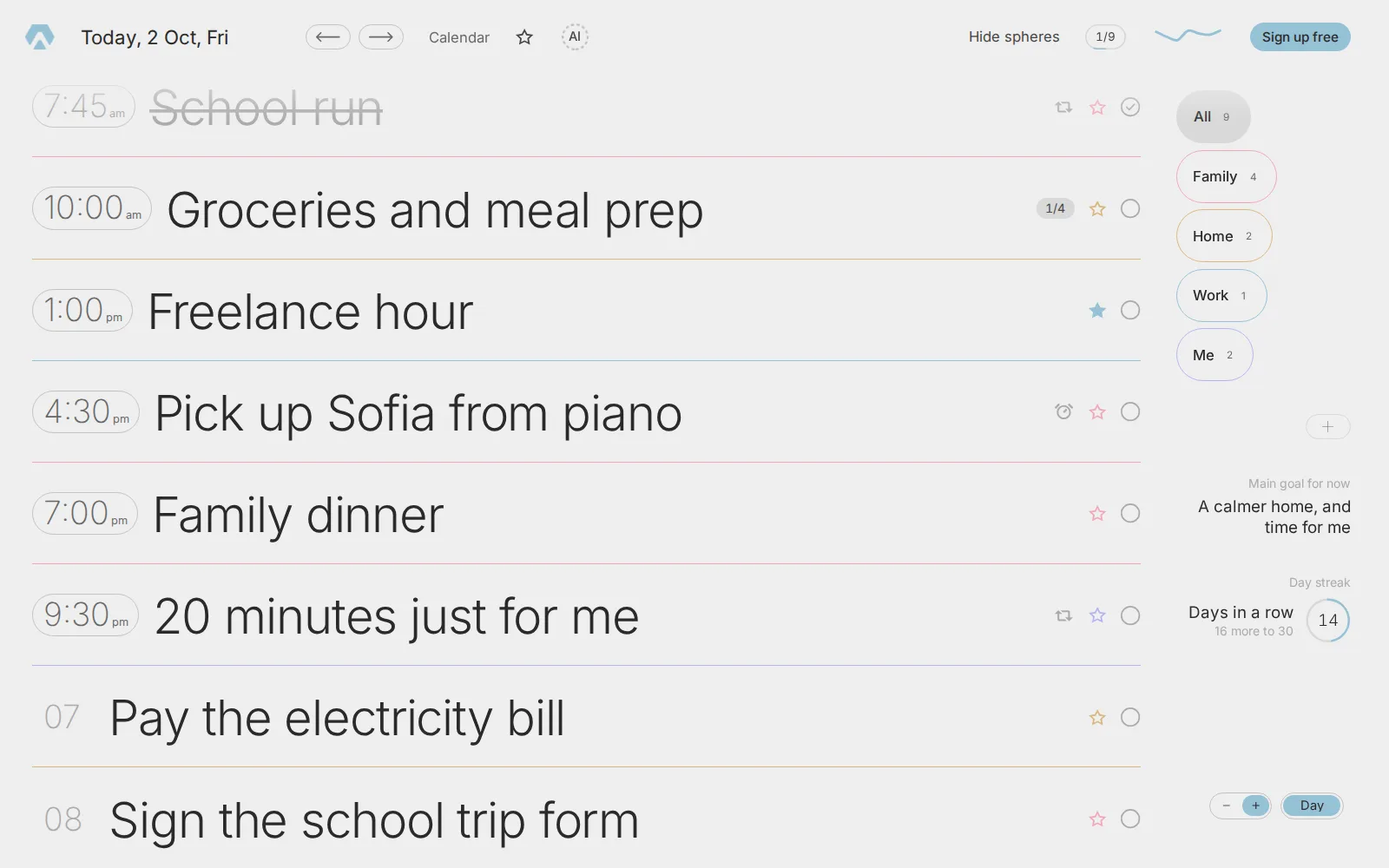
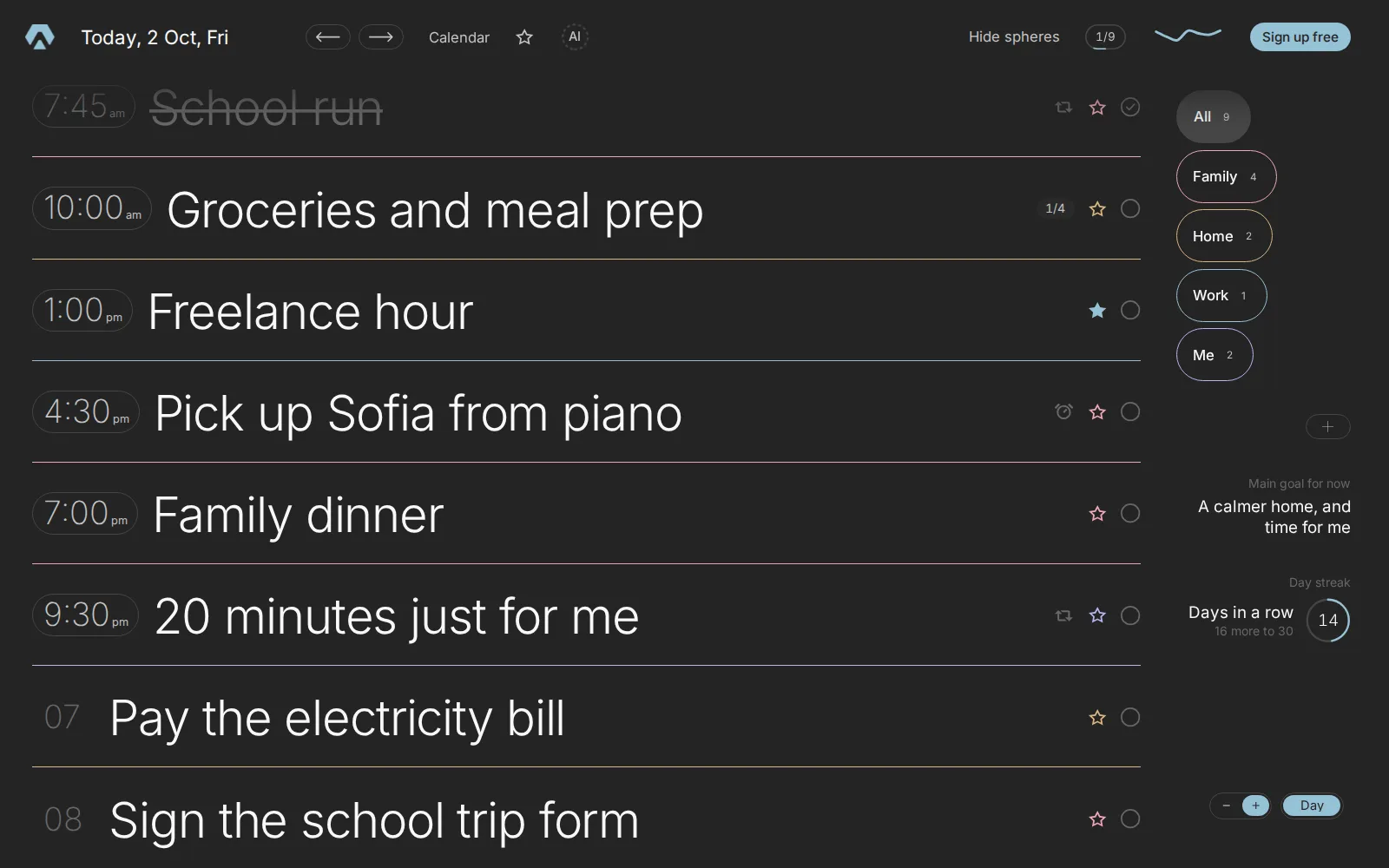
Most of the review already works in Aimgod today. The week view shows all seven days side by side, and you can drag tasks between days. That's exactly how you move leftovers and place next week's work.
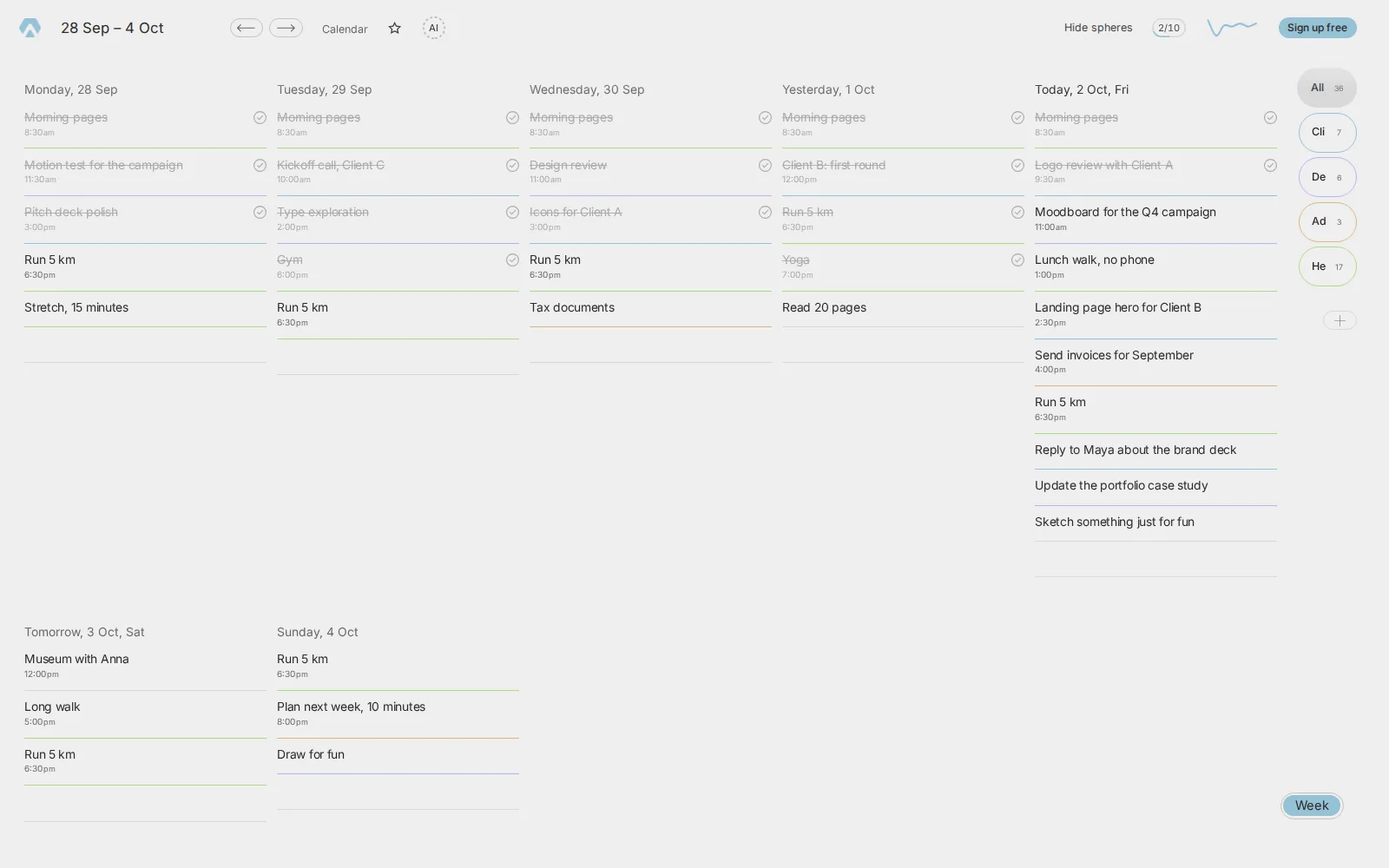
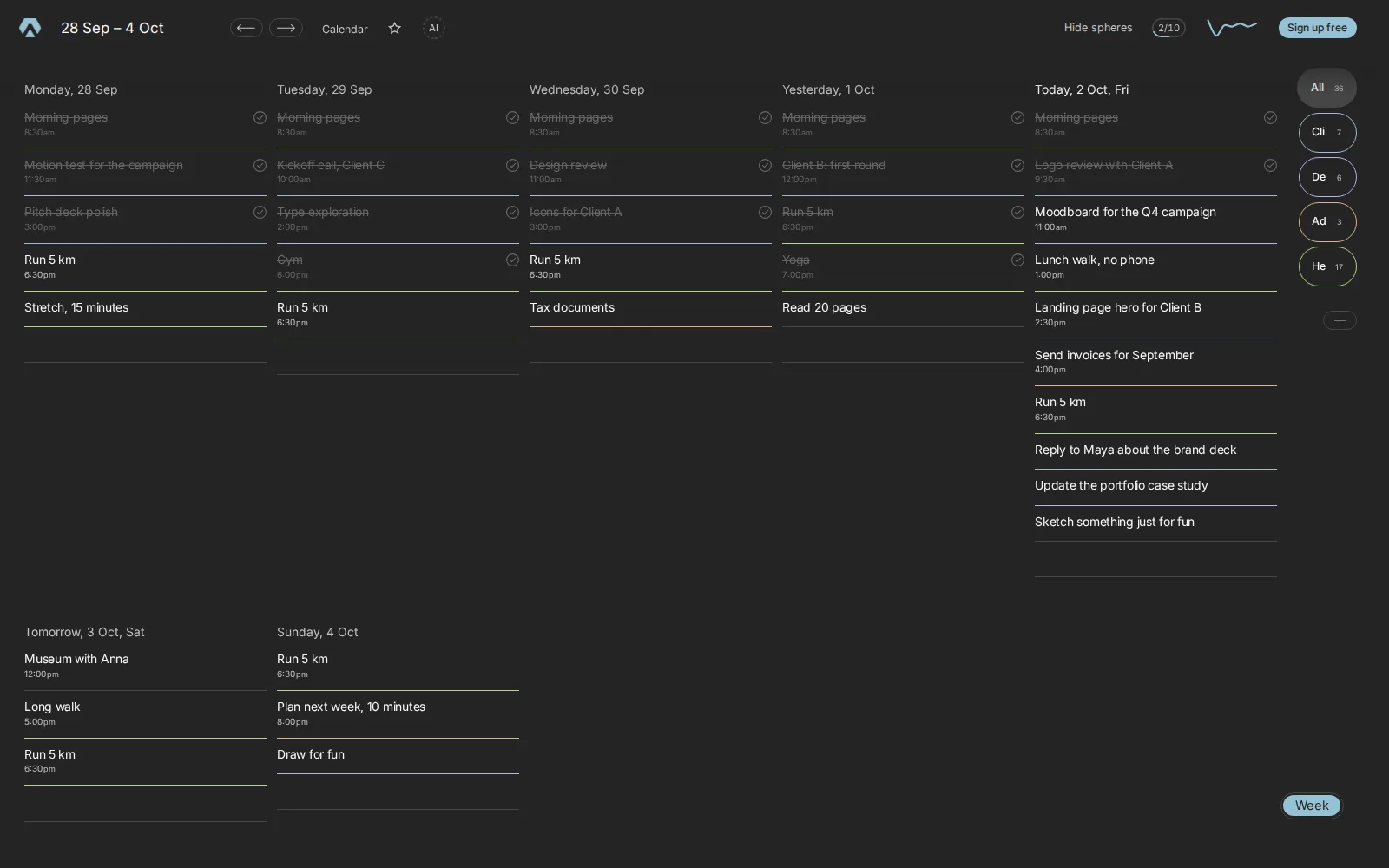
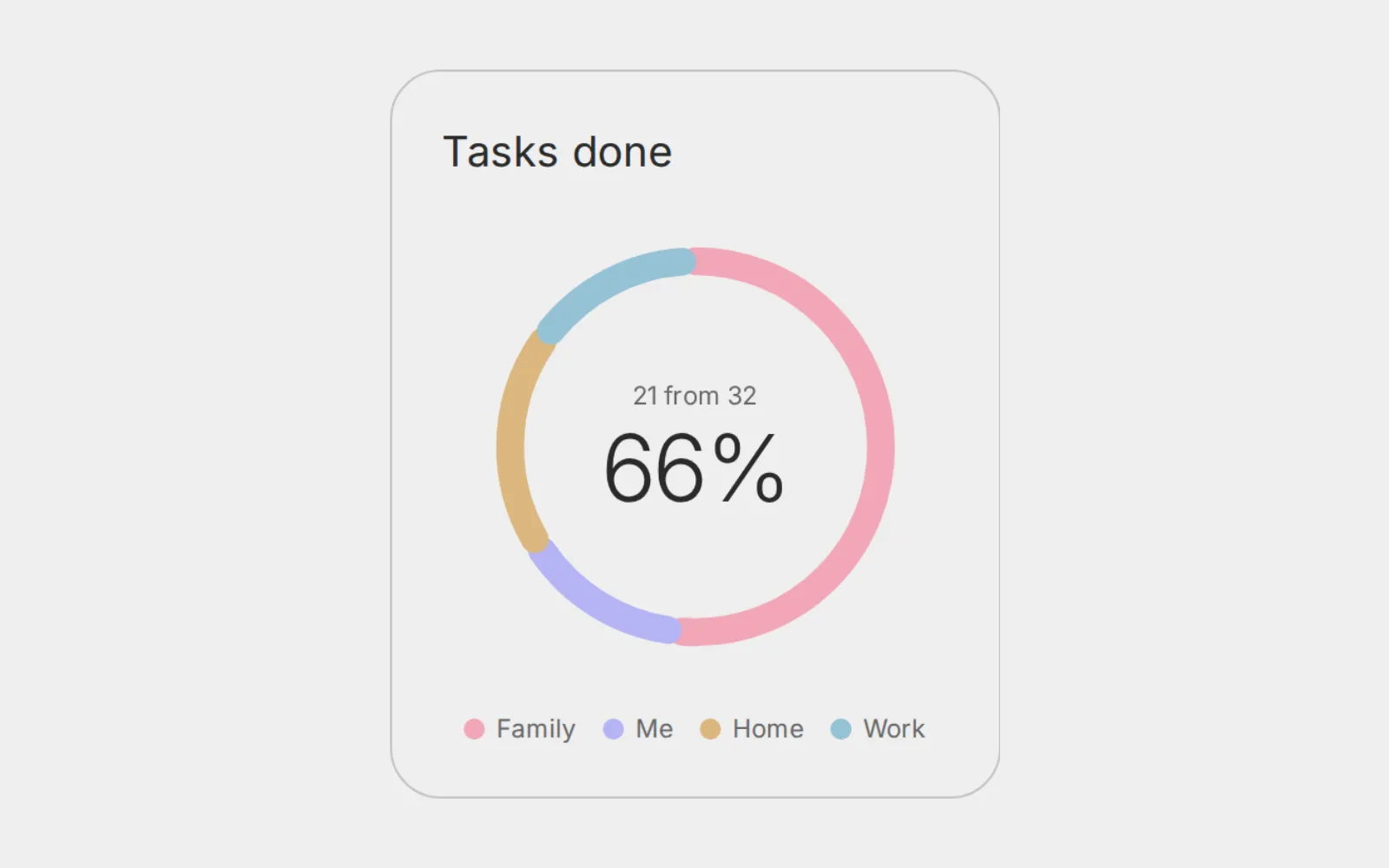
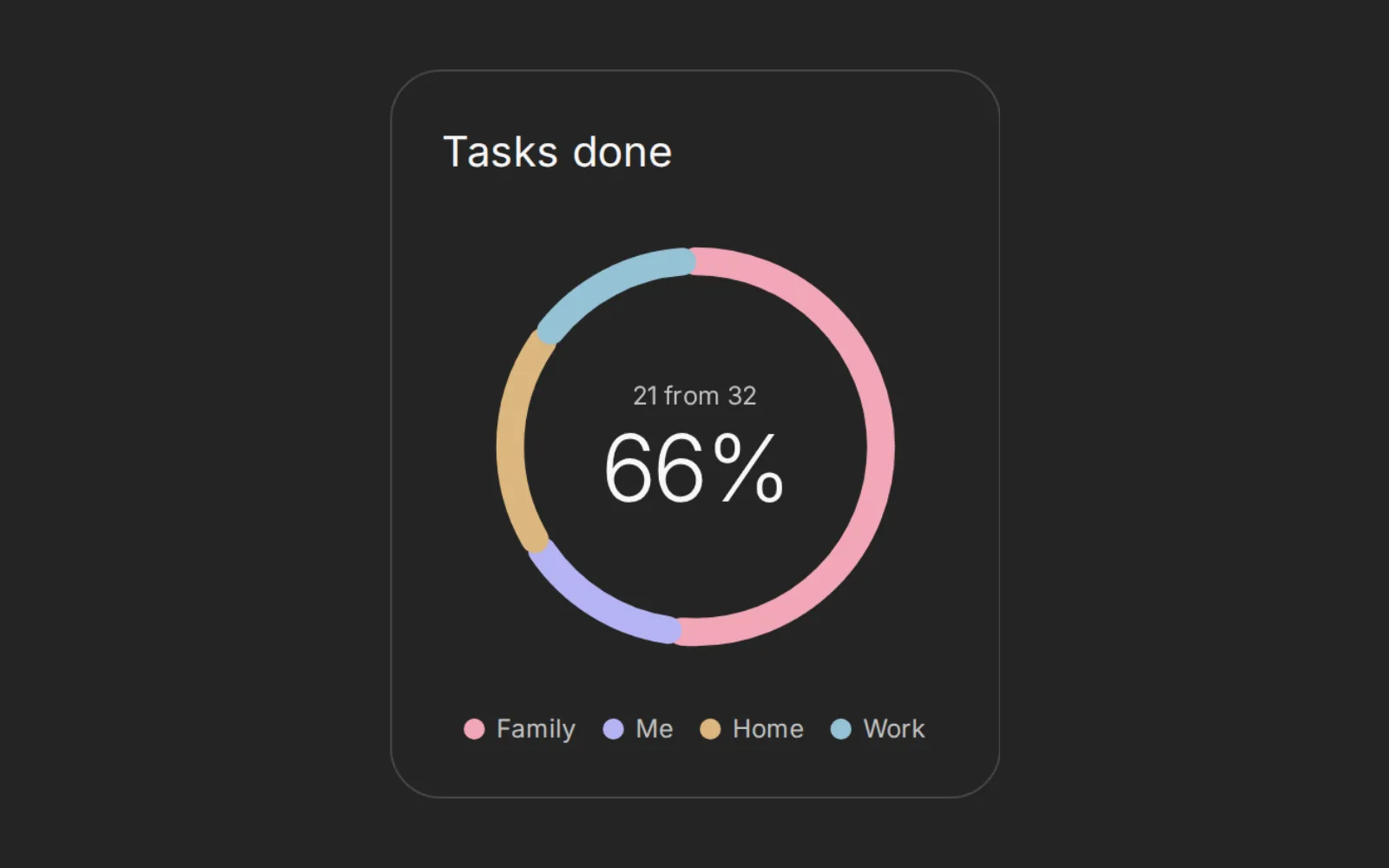
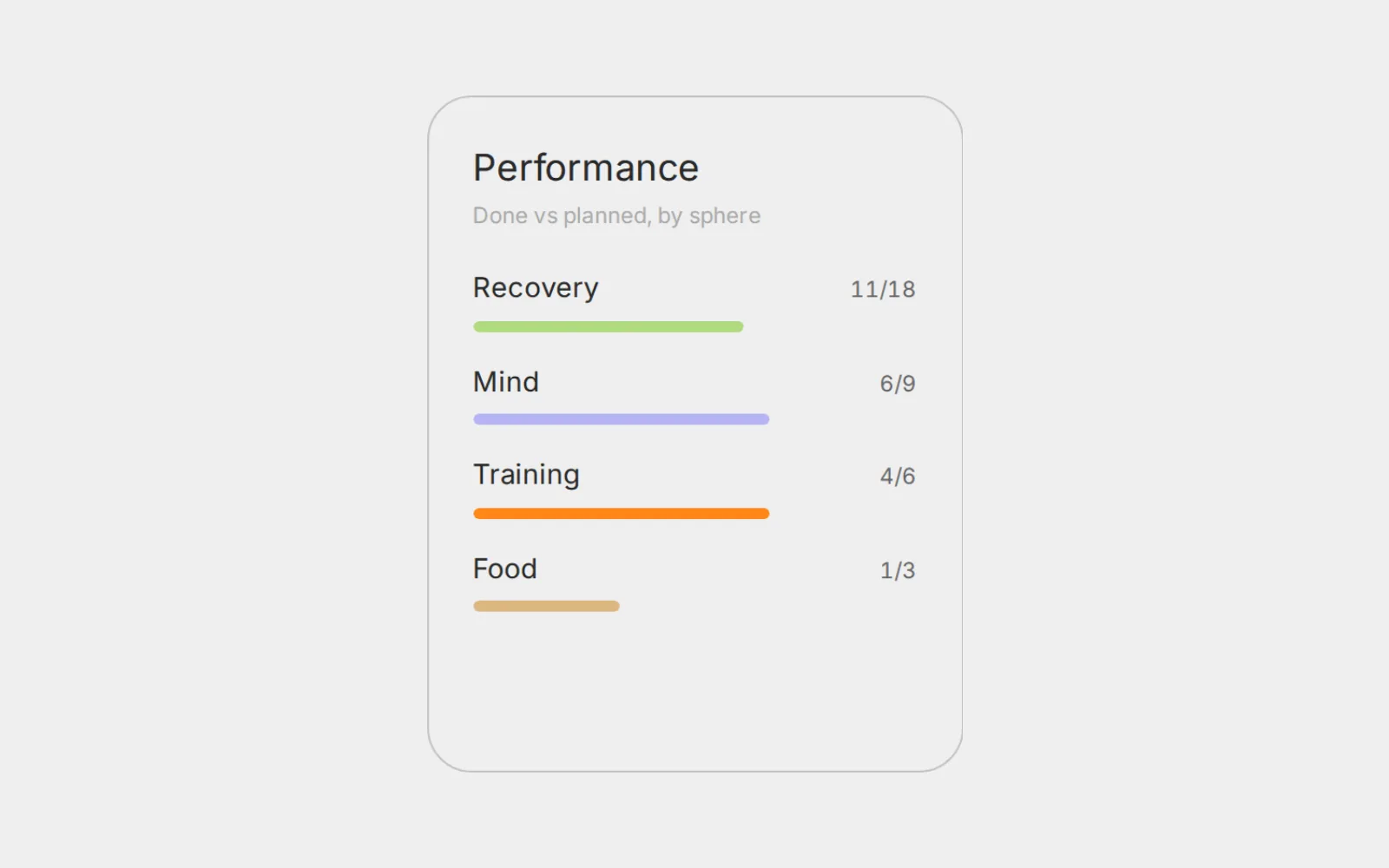
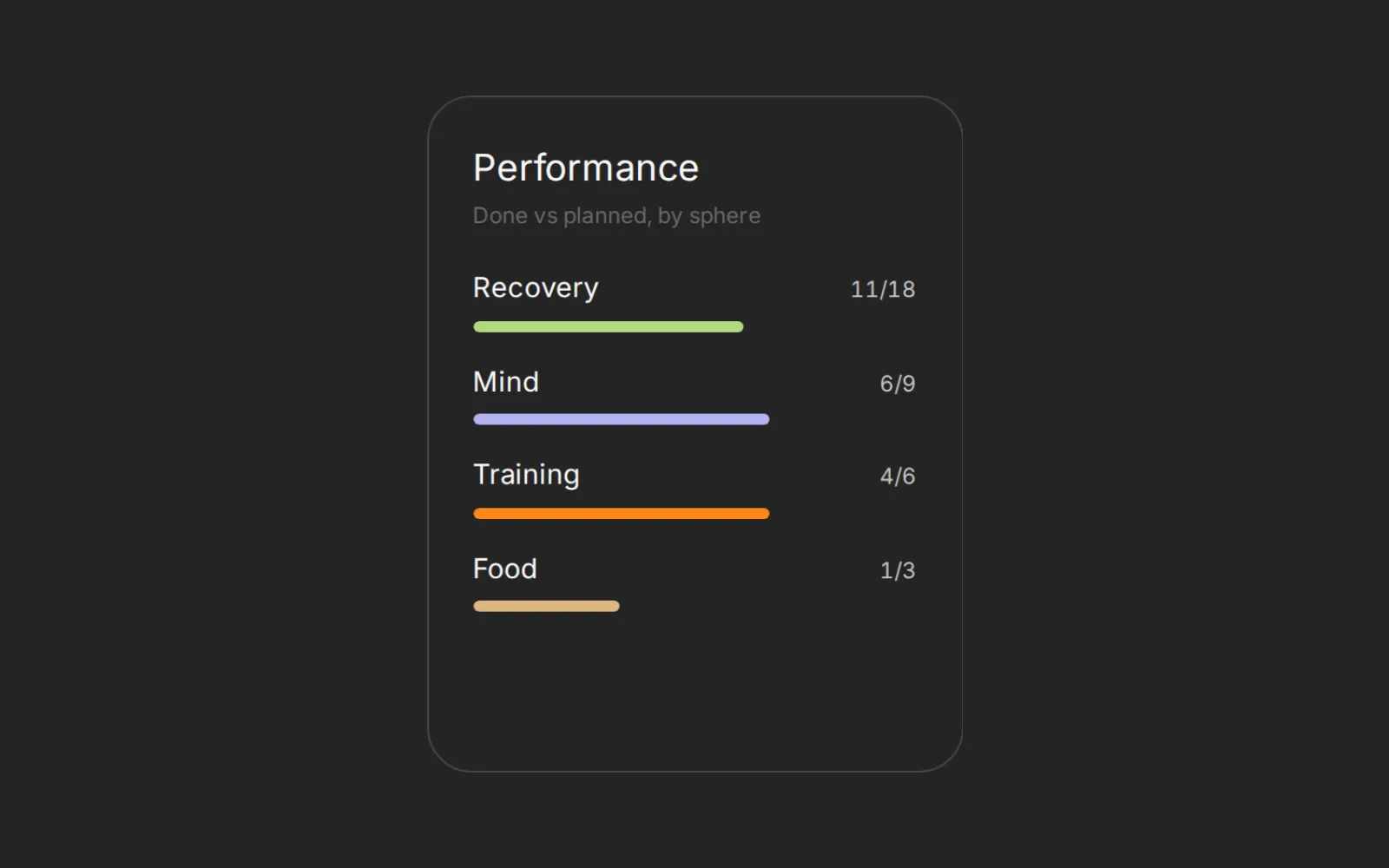
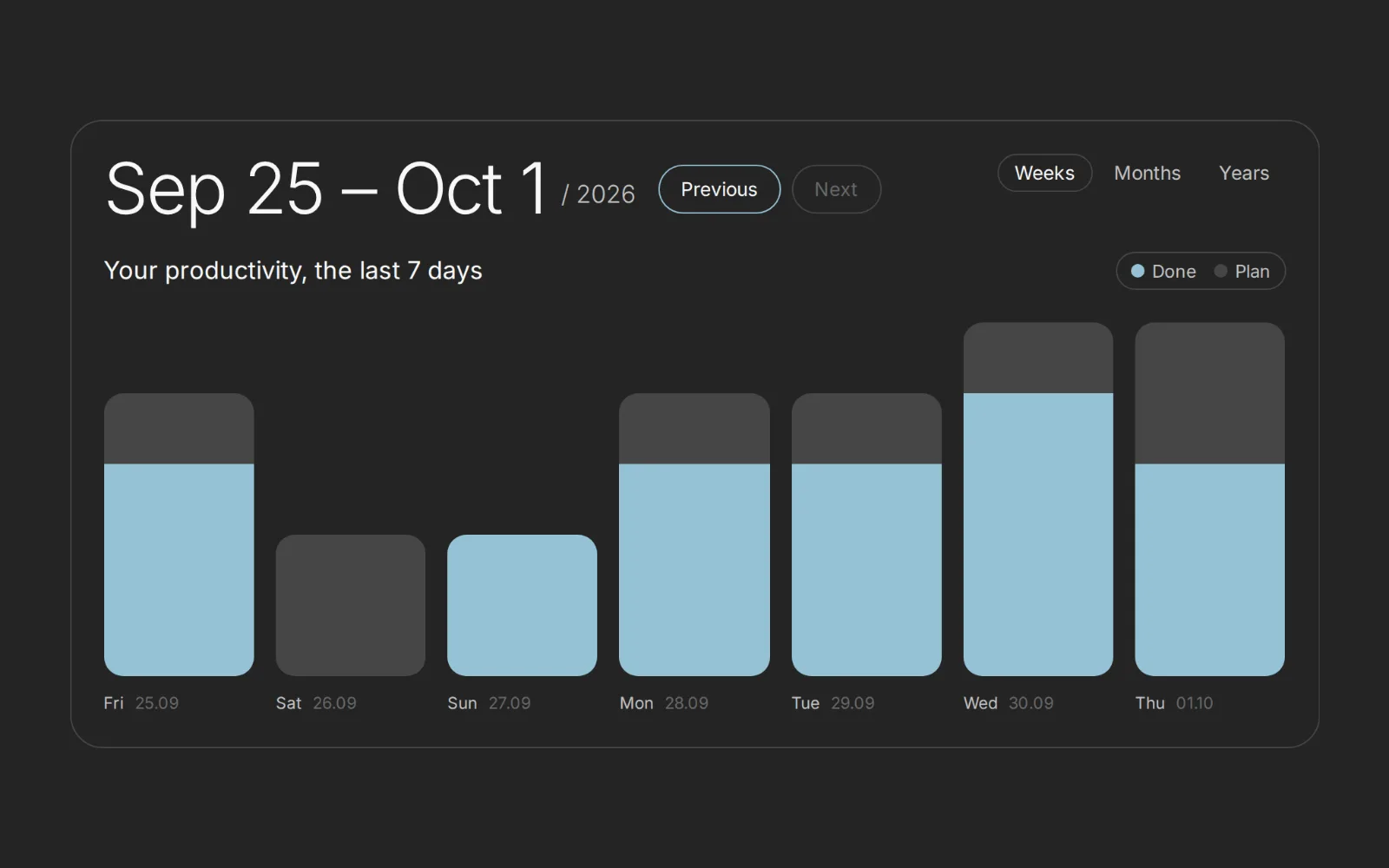
The Productivity dashboard shows planned versus done for each day, so closing the week takes one glance. The shareable week card lets you send a summary of your week to a friend, a partner or an accountability group, if saying it out loud helps you keep the habit.
Coming in December 2026, a guided Weekly review: a five minute Sunday flow that will walk you through closing the week, moving leftovers, picking three outcomes and giving new ideas their first step.
A calm Sunday habit
The weekly review is small, and that's exactly why it lasts. Fifteen minutes on Sunday turns a loose week into a finished one and a fuzzy Monday into a plan. If you've wondered how to do a weekly review without it turning into homework, start this week: close it, decide on the leftovers, pick three outcomes, and give the ideas worth keeping their first step.
FAQ
How long should a weekly review take?
About fifteen minutes for most people. Stick to the four parts and it stays a habit instead of growing into a long planning session.
What is the best day for a weekly review?
Sunday evening, because the week is over and Monday is close, so weekly planning feels natural. Friday afternoon works too. The real rule is simple: same time, every week.
What should a weekly review template include?
Planned versus done, a decision on every leftover, three outcomes for next week, and a first step for each idea worth keeping. That covers both directions: looking back and setting up the week ahead.
Oleksandr Sendziuk believes a week looked at calmly always teaches you something.
Follow the build on LinkedIn ↗