In Aimgod: If-then habits, coming November 2026
Implementation Intentions: If-Then Planning Examples
Implementation intentions turn good intentions into action. Real if-then planning examples, how habit stacking works, and how to write plans that really stick.
 By Oleksandr Sendziuk, founder of Aimgod · · 6 min readFollow on LinkedIn ↗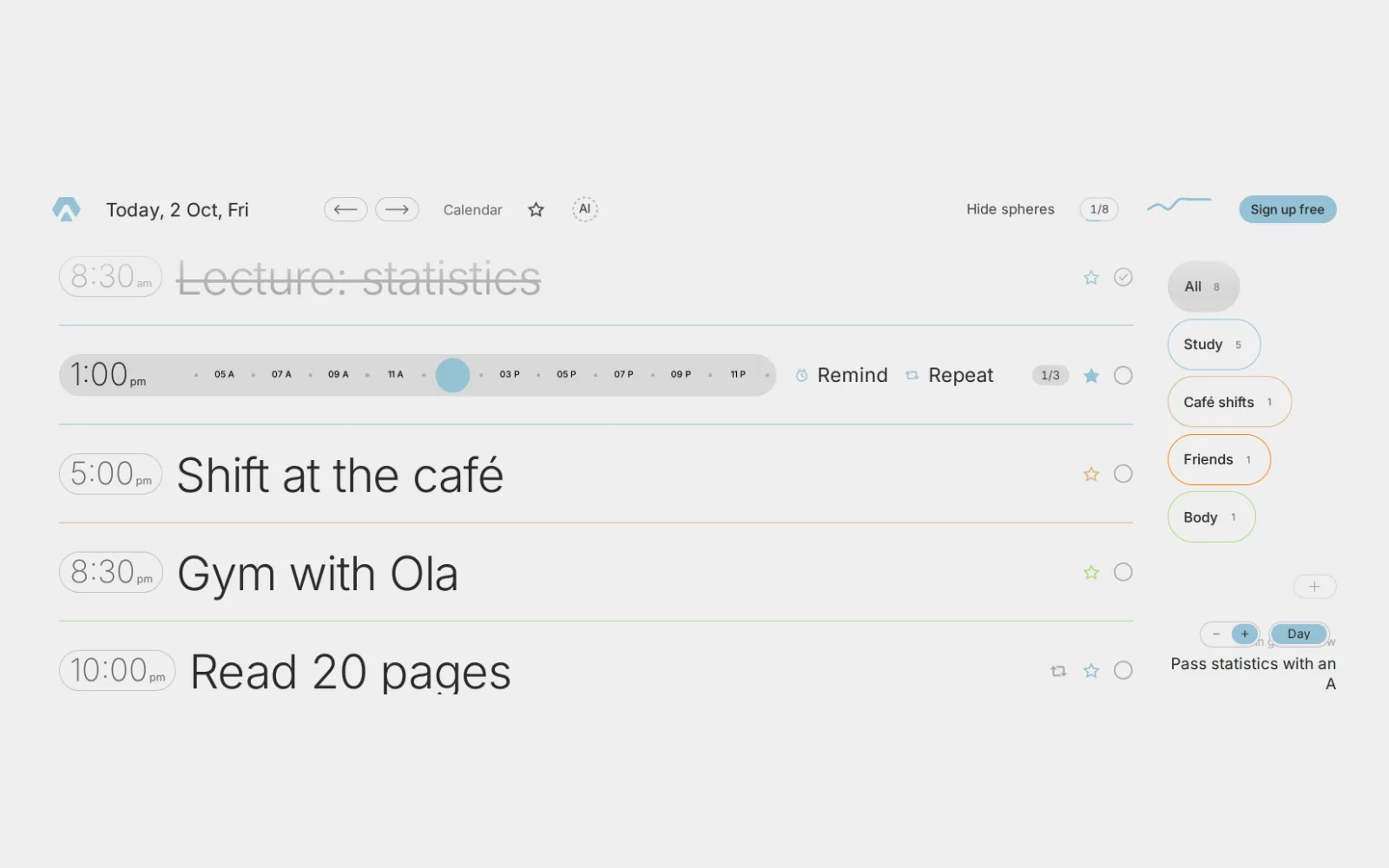
"I should read more." I told myself that for years, and for years it did basically nothing. The intention was real. It just had nowhere to land. Every evening something louder showed up, and the book stayed on the shelf.
One sentence fixed it: "After I pour my coffee, I read for ten minutes." Same person, same book, same busy weeks. The only difference: the when and the where were already decided.
That sentence is an implementation intention. Implementation intentions, also called if-then plans, are one of the best supported tools I've found in more than a decade of testing personal productivity methods. Writing one takes about a minute. Hard to beat that return on a minute.
What implementation intentions are
An implementation intention links a specific situation to a specific action: "If situation X happens, then I will do Y." The term comes from psychologist Peter Gollwitzer, and it sits one level below a goal. "I want to read more" is a goal. "After I pour my morning coffee, I read for ten minutes" is the spec for exactly when and how that goal turns into behavior.
Think of it as an event listener for your day. You register the trigger once, and the action runs when the event fires.
Habit stacking is a popular cousin of the same idea. You use something you already do as the "if": "After I do the thing I always do, I'll do the new thing." Your existing routine becomes the cue for the new one.
Implementation intentions examples for a normal week
Here are some implementation intentions examples from a designer's or freelancer's week. Steal freely. The first and the fifth double as habit stacking examples, since the cue is something you already do.
- After I pour my coffee, I read for ten minutes.
- If it's 9:00 on a weekday, I open my most important task before I open email.
- After I end a client call, I write the follow-up within five minutes.
- If a client asks for something outside the scope, I reply that I'll send an estimate.
- After I close the laptop for the day, I write down three wins.
- If I notice I've been scrolling for more than a few minutes, I stand up and refill my water.
See the pattern. Each one names a moment you can actually see, and an action small enough to start right away.
Why if-then planning works
Research on if-then planning goes back decades. A well known 2006 meta-analysis by Gollwitzer and Paschal Sheeran pooled nearly a hundred studies and found that forming implementation intentions improved goal attainment with a medium to large effect, compared with a goal alone. The effect showed up across very different behaviors: exercise, studying, health checkups, eating habits, getting started on work.
The mechanism is pleasantly simple. Deciding in advance links a cue to a response. The cue gets easier to notice, because part of your mind is quietly watching for it. When it shows up, the response starts with less back and forth, so it leans less on whatever willpower you happen to have right then. You made the decision once, in a calm moment. The situation carries it out.
Habit stacking works for a related reason. Existing routines happen at about the same time and place every day, which gives the new behavior a steady context. Research on habit formation shows that repeating a behavior in a consistent context is what builds automaticity, so a reliable anchor helps the new habit settle in. For the realistic timeline, see how long it takes to form a habit.
If-then plans also shine with obstacles. "If I feel the urge to check messages while designing, then I write the thought on paper and keep going." Planning the response to a predictable problem is often what keeps a good day on track. More on that in goal setting that plans for the obstacle.
How to write habit stacking plans that stick
- 01Pick one behavior and make it specific. "Exercise" is a wish. "Twenty squats" is an action. The clearer the action, the cheaper the start.
- 02Find a reliable anchor. Something that happens every day at roughly the same time: pouring coffee, opening the laptop, finishing lunch, ending the last call, closing the laptop. Most good habit stacking examples lean on one of these.
- 03Write it as one sentence. "After I..., I will..." or "If..., then I will...". Actually write it down. A sentence in your head is weaker than one on the page.
- 04Keep the response small. You should be able to start it in under two minutes. "Read ten minutes" works. "Read a chapter" invites negotiation. If a task still feels heavy, the 5 minute rule for procrastination makes a great partner.
- 05Set up the place. Book next to the coffee machine. Sketchbook open on the desk. A visible cue helps the plan fire.
- 06Add one if-then for the likely obstacle. "If I'm traveling, then I read on my phone for ten minutes instead."
- 07Check in after two weeks. If the plan rarely fires, the anchor is probably shaky. Debug the trigger first: move the habit to a stronger cue before you give up on the habit itself.
How to stick to habits: common mistakes
A fuzzy cue
"In the morning" or "when I have time" isn't a cue. There's no single moment when it happens. Fix: name an event you can see, like "after I pour my coffee" or "when I sit down at my desk."
Too many plans at once
Ten new if-then plans compete for the same attention and usually fall over together, like very ambitious dominoes. Fix: start with one or two, and add the next once they run on their own.
An anchor that moves around
If your weekends look nothing like your weekdays, a weekday anchor will flop on Saturday. Fix: pick an anchor that happens every day you want the habit, or write a separate plan for weekends.
Plans built on "I will not"
Some studies suggest that plans phrased as suppression, like "If I want to check social media, I will not open it," can work less well than plans that name what you'll do instead. Fix: replace, don't forbid. "If I want to check social media, I take three slow breaths and return to the task."
How Aimgod helps
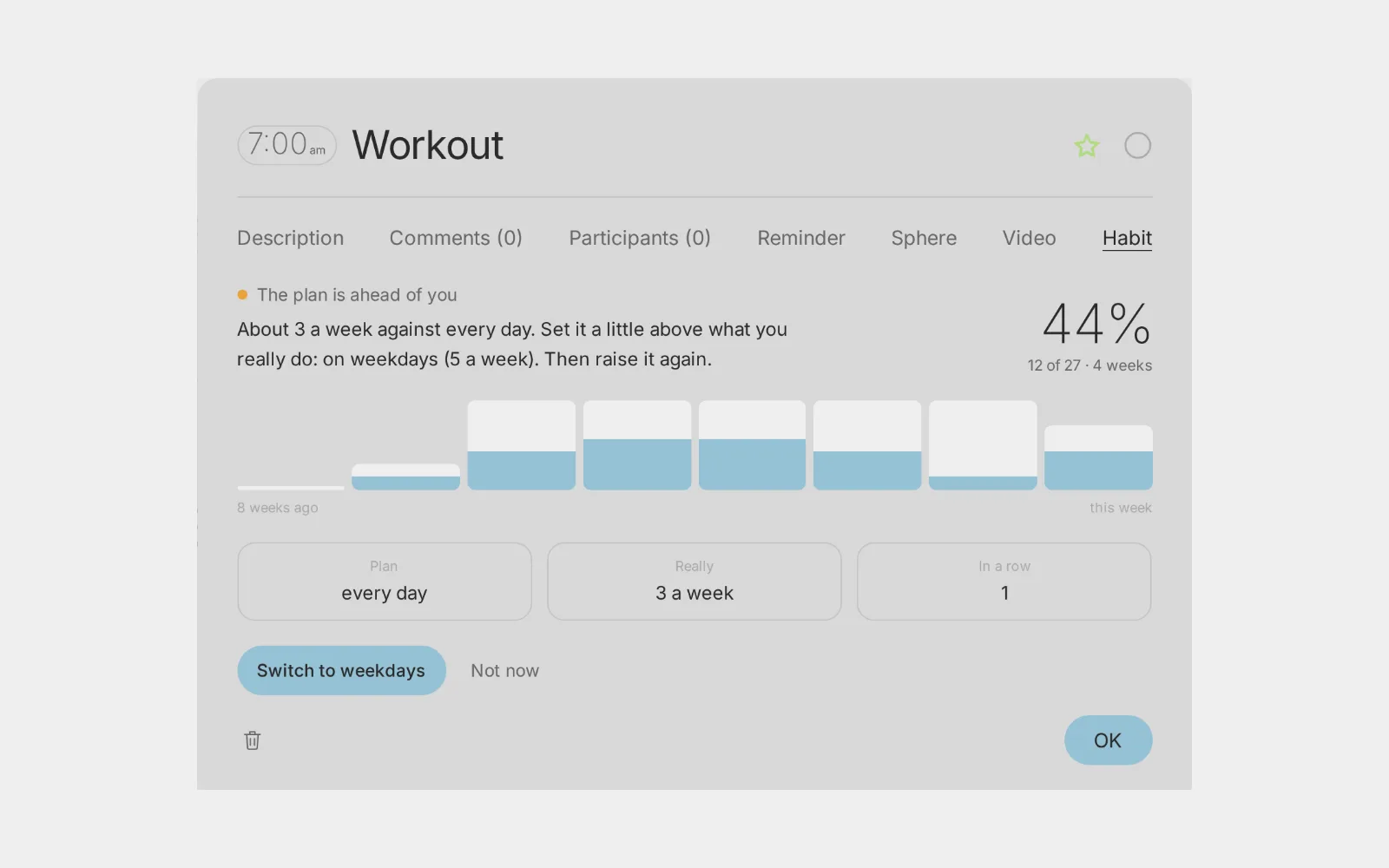
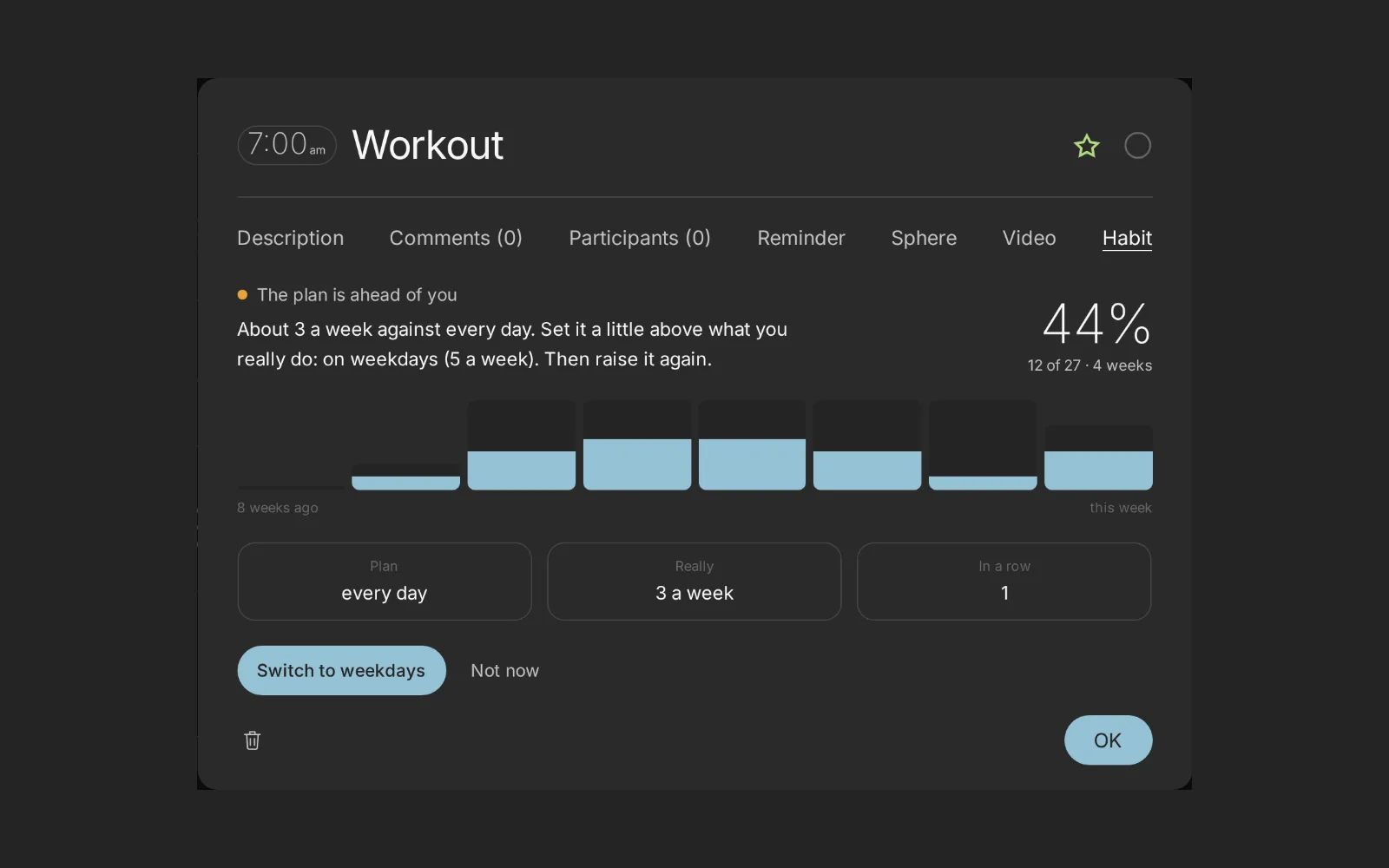
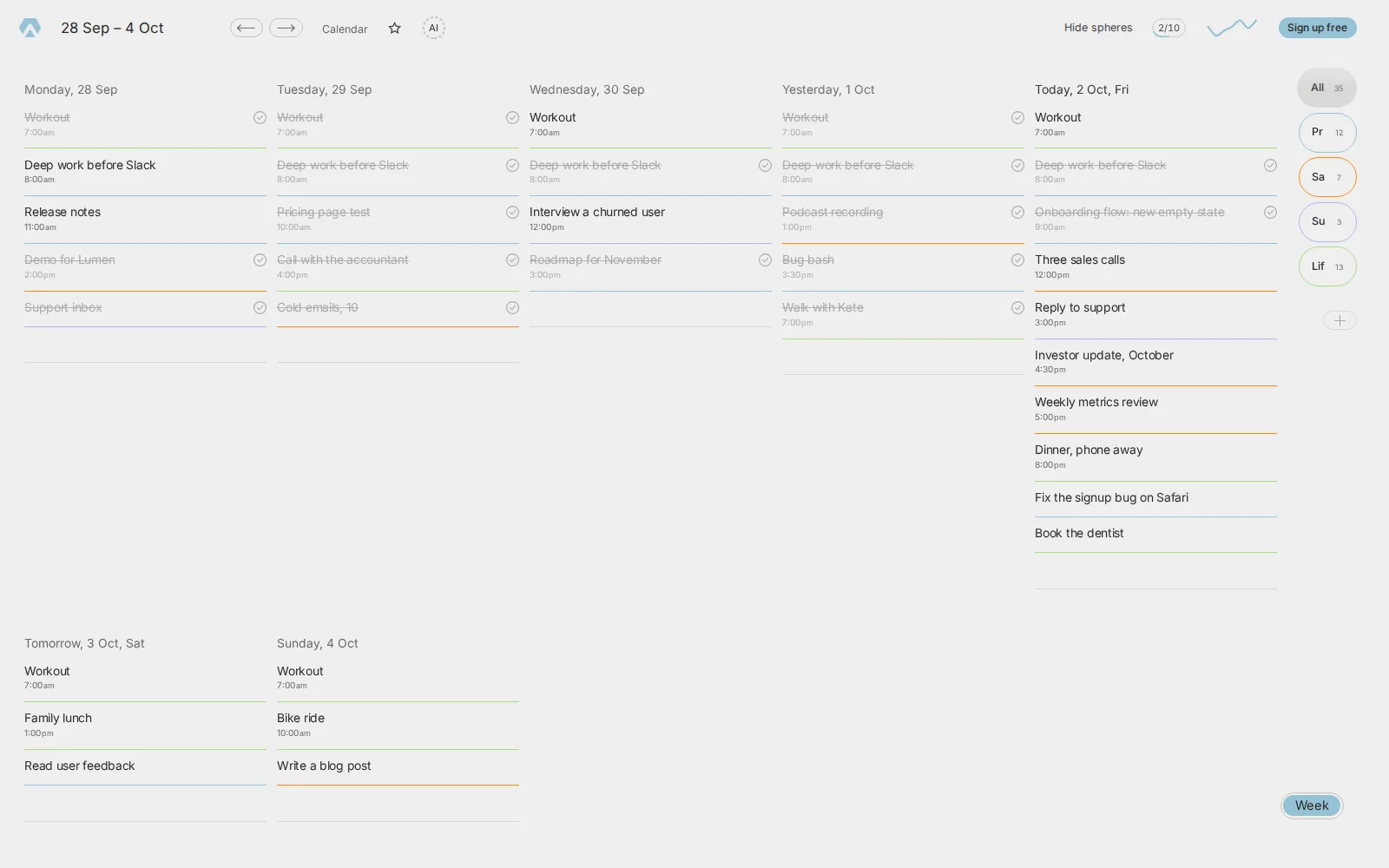
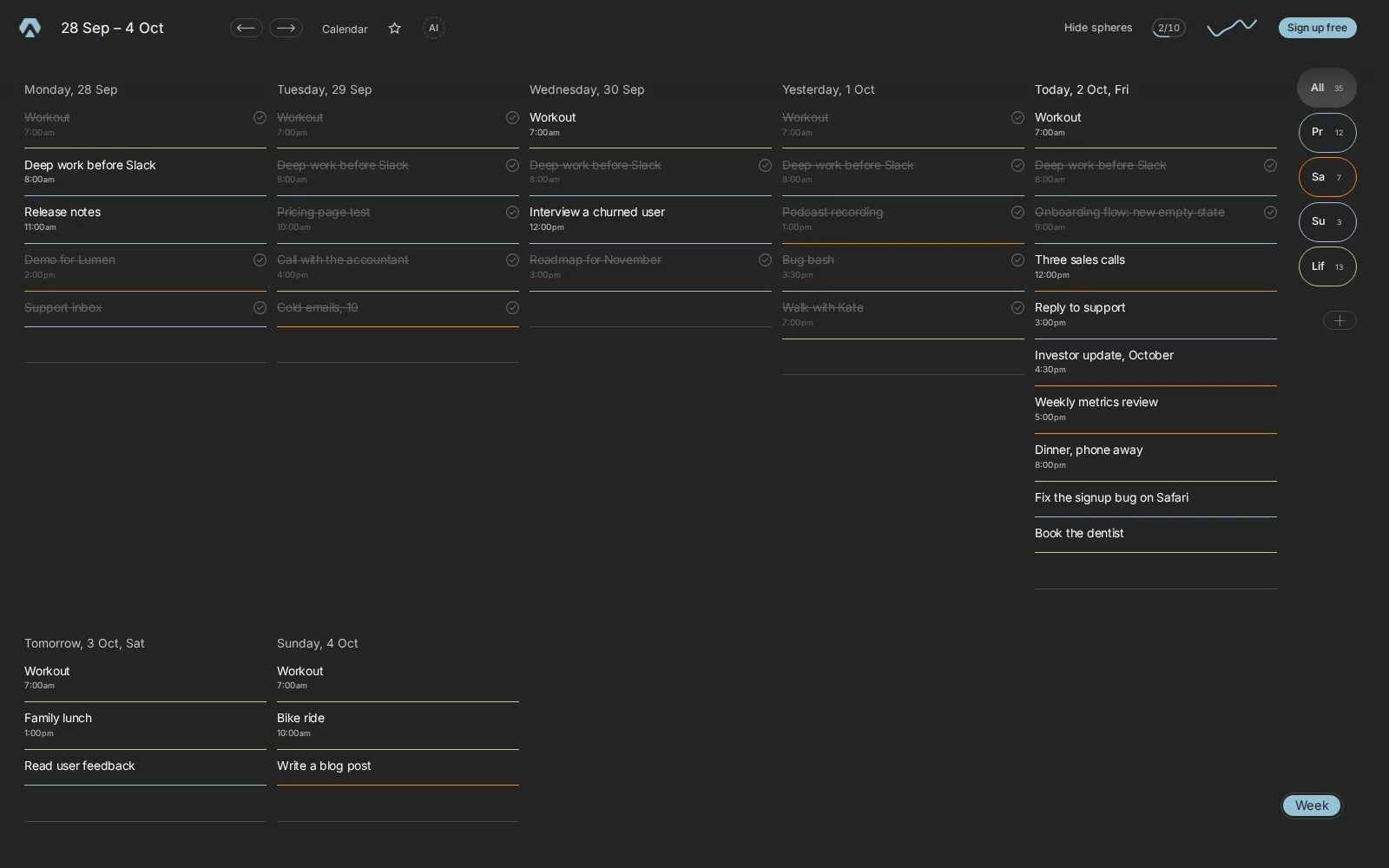
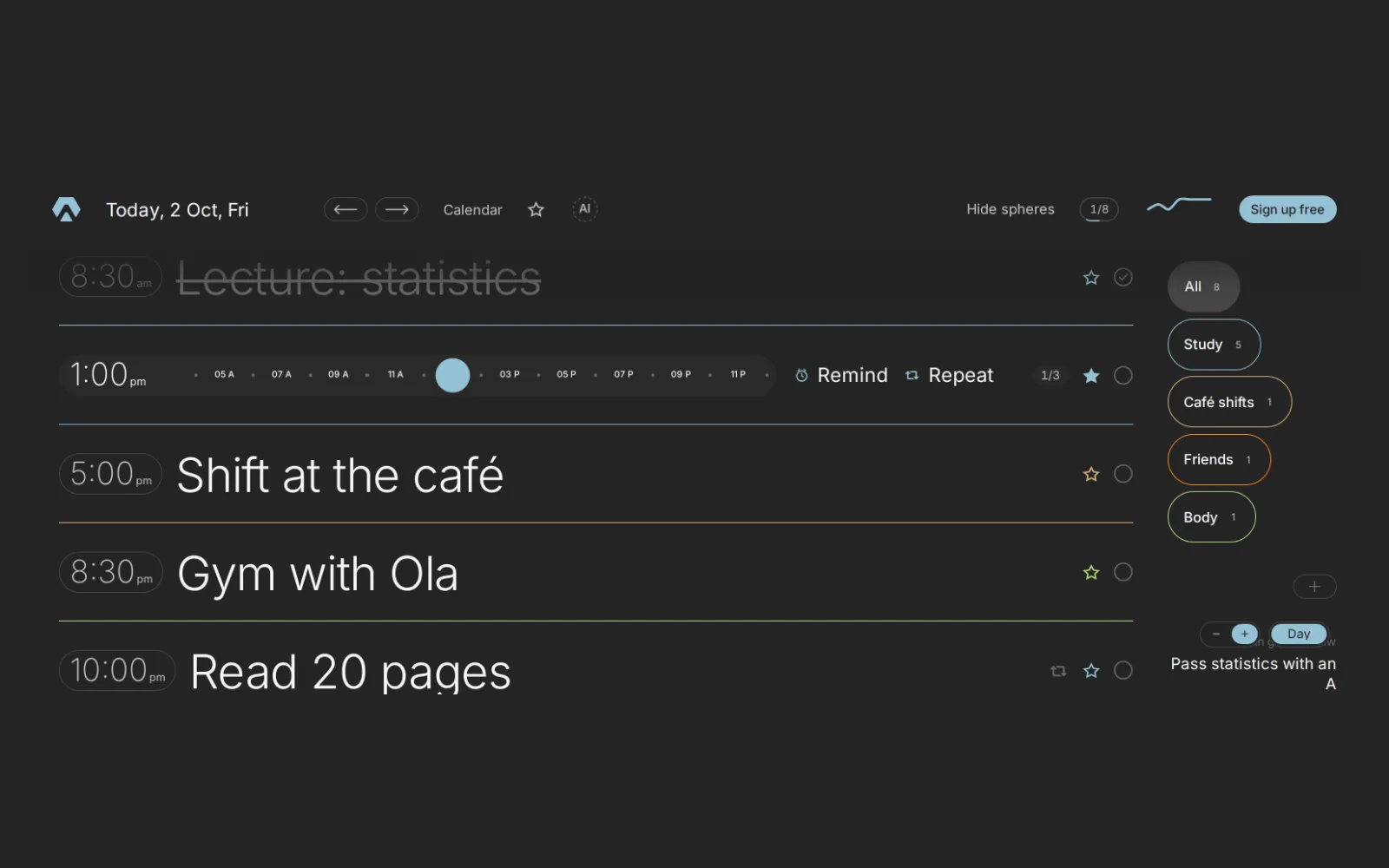
Today you can build if-then plans in Aimgod with repeating tasks and times. Create a repeating task, give it a time with the time ruler, and put the cue right in the title, for example "After coffee: read 10 min" at 7:30 every day. The task shows up in your day at the right moment, and the Habit tab shows how often it actually happens: your rate over four weeks, eight weeks of bars, your streak, and a suggestion to raise, keep or lower the bar, or make the habit smaller.
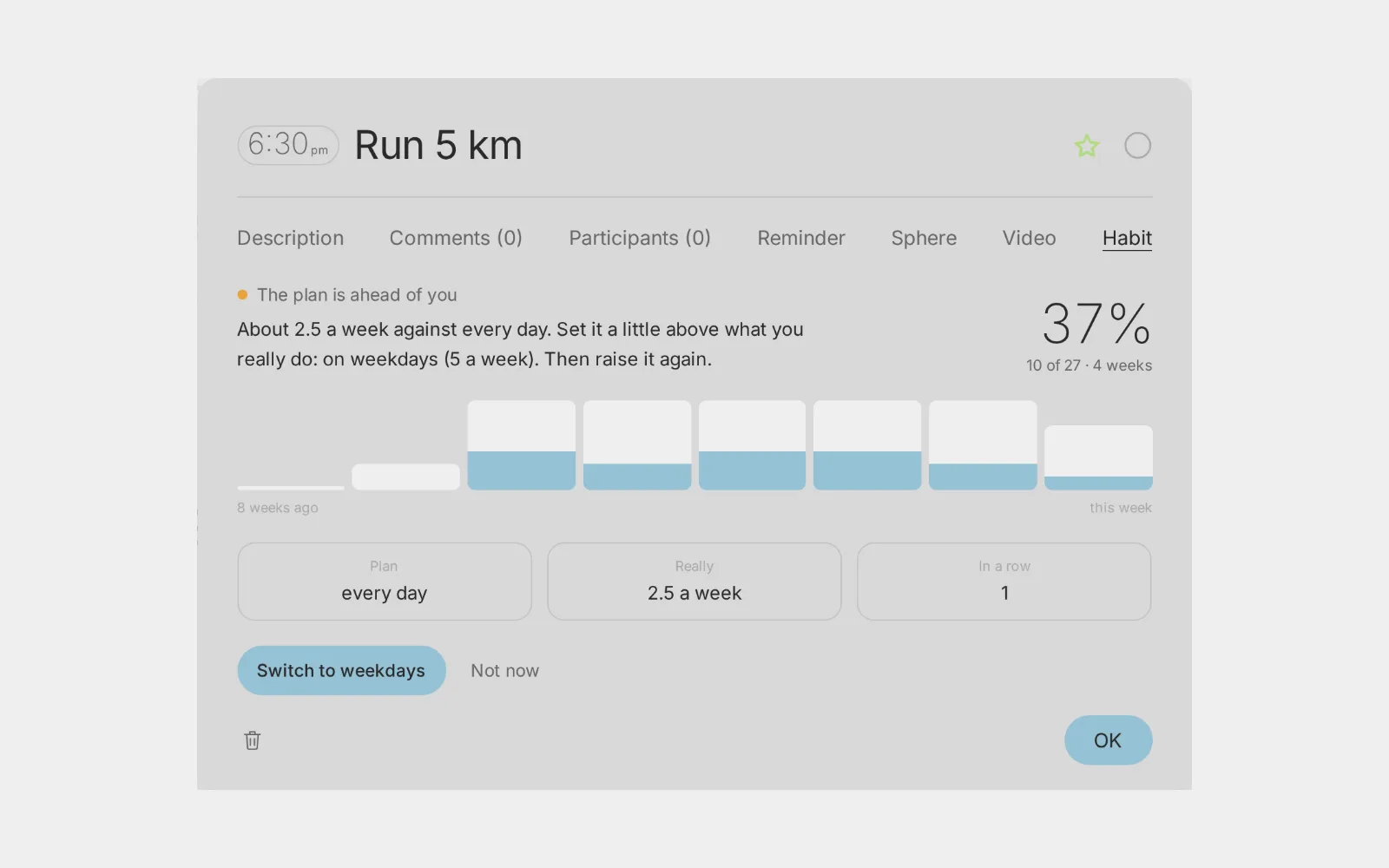
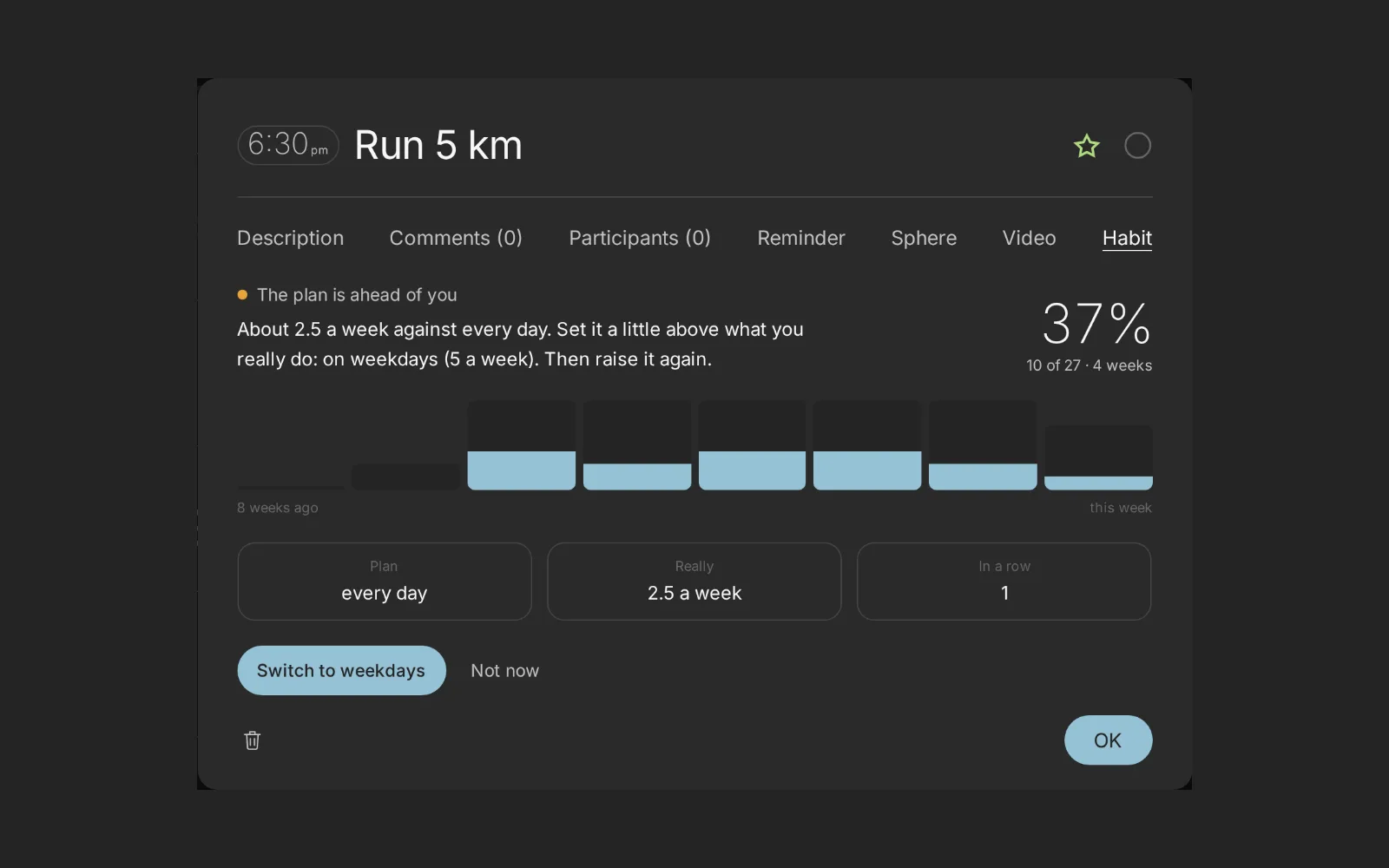
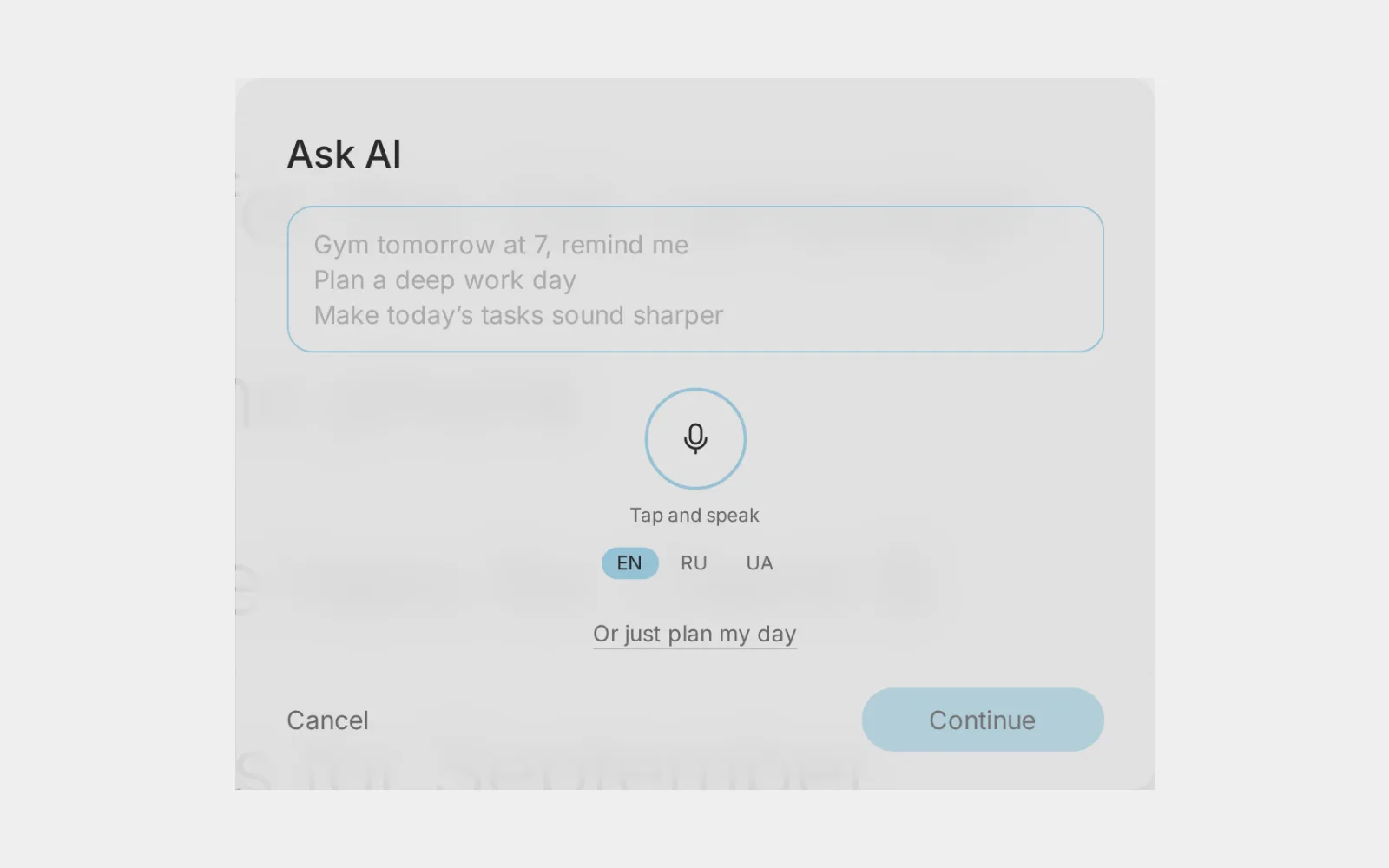
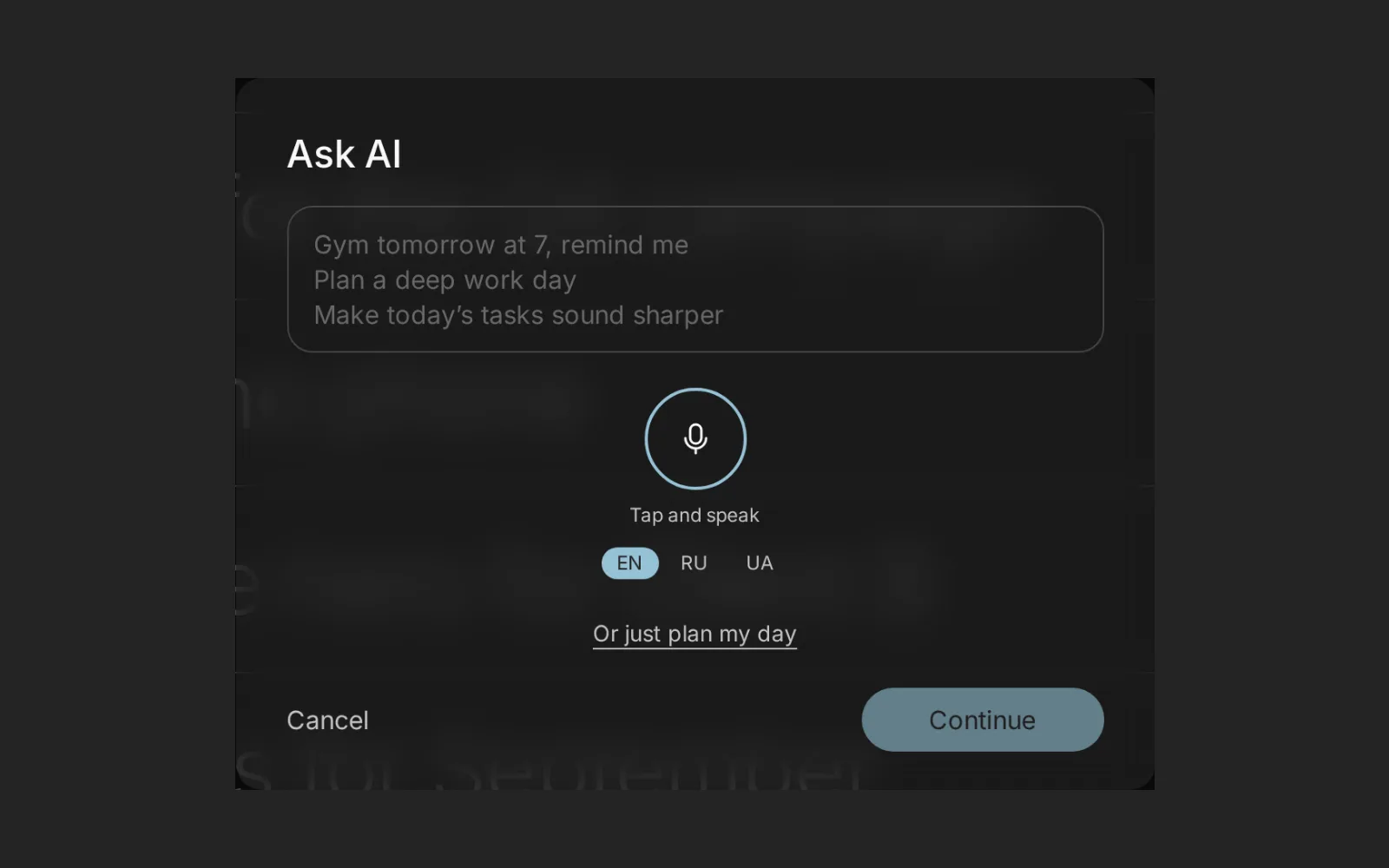
Coming in November 2026: If-then habits, a dedicated way to write a habit as an if-then plan, with the cue built into the habit itself. Until then, a repeating task with a time and the cue in its title does the job just fine. And when the plan fires, that's a perfect line for your evening wins journal.
Decide once, then relax
Good intentions fail because they leave the hardest decision for later: when exactly, and where. An implementation intention makes that decision once, in a calm moment, and lets your day run the rest. Pick one behavior, tie it to something you already do, write the sentence today. That's how to stick to habits without leaning on willpower. Then go enjoy your coffee.
FAQ
What is an example of an implementation intention?
"After I pour my morning coffee, I read for ten minutes." A classic. Clear cue, small action, nothing left to decide in the moment.
What is the difference between implementation intentions and habit stacking?
Implementation intentions are the general "if X, then Y" format from psychology research. Habit stacking is a popular version where the "if" is a habit you already have, like pouring coffee or closing your laptop. Same engine, different trigger.
How many if-then plans should I start with?
One or two. Give them a couple of weeks to run on their own, then add the next. Stack too many at once and usually none of them stick.
Oleksandr Sendziuk believes an intention needs an address: a place and a time.
Follow the build on LinkedIn ↗