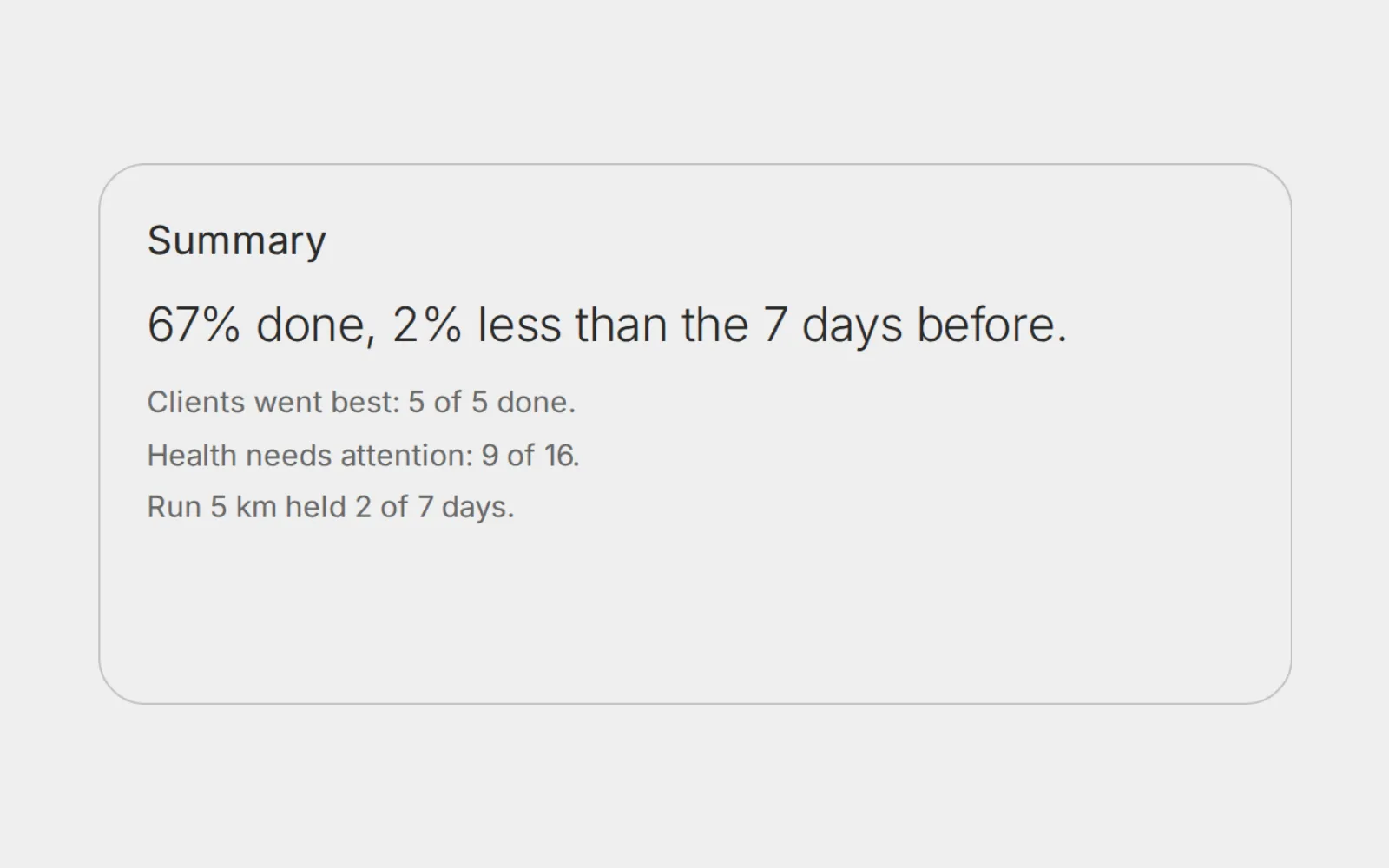
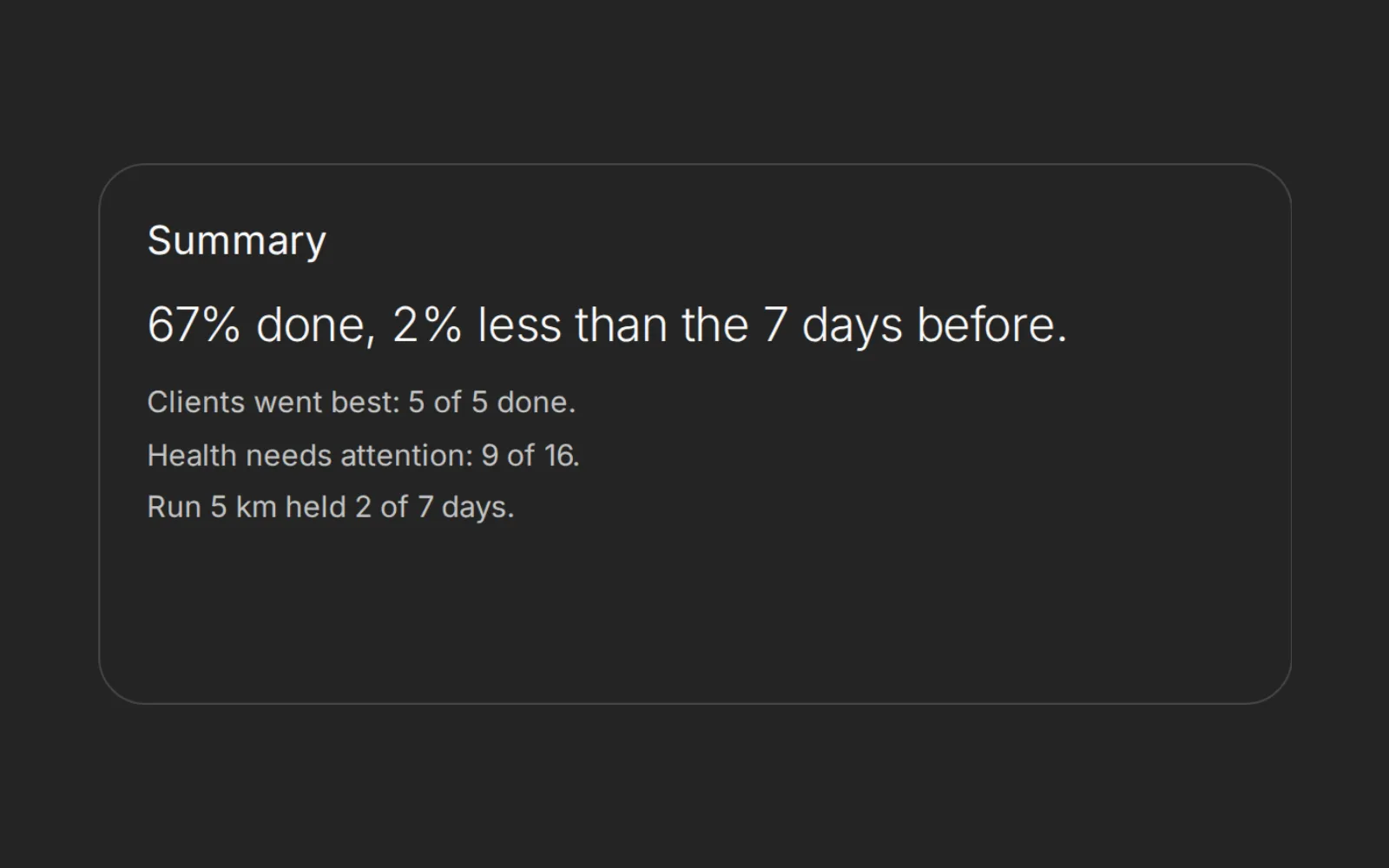
In Aimgod: Fresh start, coming October 2026
Procrastination Guilt: How to Forgive Yourself and Start Fresh
Procrastination guilt keeps you stuck. Learn why self-forgiveness and a small fresh start each morning get you moving again, and why red overdue counters fail.
 By Oleksandr Sendziuk, founder of Aimgod · · 6 min readFollow on LinkedIn ↗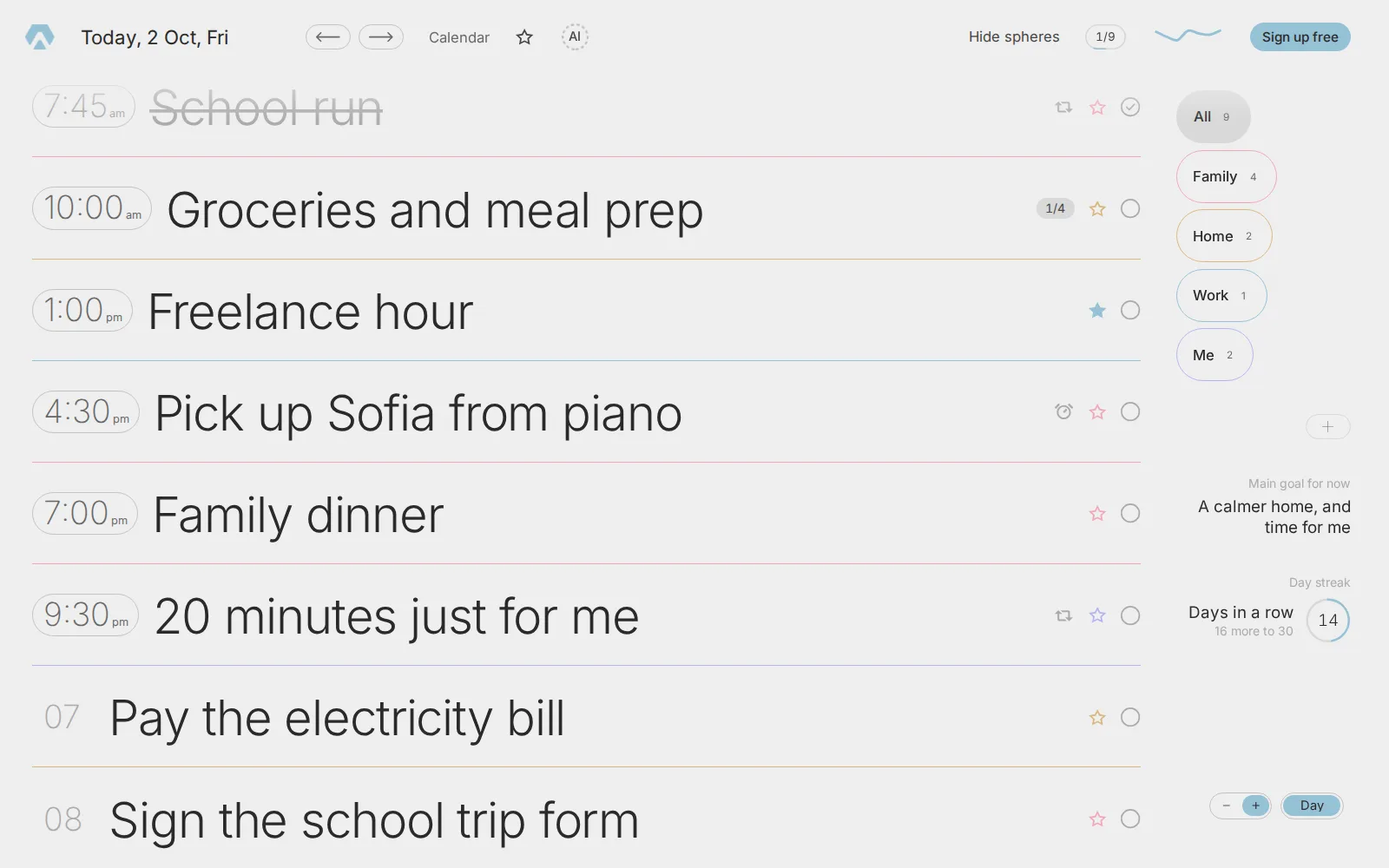
Put something off for a week and the task itself is rarely the heaviest part. The heavy part is everything that grew around it: the procrastination guilt, the quiet self-criticism, the red number in the corner of an app that says 14 overdue.
I've been there plenty of times. Twenty-two years of client work, my own product on the side, and more than a decade of reading about and testing productivity and psychology methods. The pattern that surprised me most was simple. The days I punished myself for yesterday were the days I avoided the most.
So this post is about how to forgive yourself for procrastinating, and about the opposite move: forgive yourself, close yesterday, start the day fresh. Sounds soft. In practice, it's one of the most reliable ways I know to get moving again.
What a fresh start really is
A fresh start is a deliberate reset. You look at what didn't happen, acknowledge it without putting yourself on trial, and decide what today holds. Unfinished tasks are information about your week. They're not a debt that racks up interest overnight.
It has two parts. First, self-forgiveness: admit honestly that you put something off, then drop the blame. Second, a clean slate: today's plan is built for today, not inherited as a pile from every day that fell short.
Forgiveness here doesn't mean pretending it didn't matter. You still care about the work. You just stop paying for it twice.
Why procrastination guilt keeps you stuck
Researchers like Tim Pychyl and Fuschia Sirois describe procrastination as, at heart, a way of managing feelings. We delay a task because it makes us anxious, bored, unsure or exposed, and avoiding it brings quick relief. The task stays undone, and the uncomfortable feeling comes back, usually stronger.
Guilt pours fuel on that loop. Once a task is linked with shame, opening it means facing the shame too, so the urge to avoid it grows. A feedback loop, running the wrong way. In a study of university students, those who forgave themselves for procrastinating on studying for one exam procrastinated less when studying for the next. Self-forgiveness lowers the emotional price of coming back to the work.
The fresh start effect, every single morning
Research by Hengchen Dai, Katherine Milkman and Jason Riis on the fresh start effect shows that people are more likely to start chasing their goals right after natural landmarks: a new week, a new month, a birthday. A landmark puts a little distance between the person who slipped and the person who begins.
Here's the fun part. You don't have to wait for Monday to borrow some of that effect. You can build a small landmark into every morning.
Why red counters for overdue tasks backfire
A number that keeps growing turns a planner into a ledger of failure. Every glance delivers a small dose of the exact feeling that drives avoidance. So many people do something that makes total emotional sense: they stop opening the app. The counter meant to motivate you ends up guarding the backlog from you. In product terms, that's a design bug.
How to forgive yourself for procrastinating, step by step
- 01Close yesterday in two minutes. At the start of the day, look at what didn't get done. For each item, ask one question: does this still matter this week? Yes, keep it. No, delete it. No ceremony.
- 02Name it once, kindly. Say it plainly: "I avoided the invoice follow-up yesterday. That happens." One sentence, then move on. No essay, no vow to become a whole new person.
- 03Choose today from scratch. Build today's list as if you were planning a fresh day, not clearing a queue. Three to five meaningful tasks is a good range. If you tend to cram, read how to plan your day when you have too many tasks.
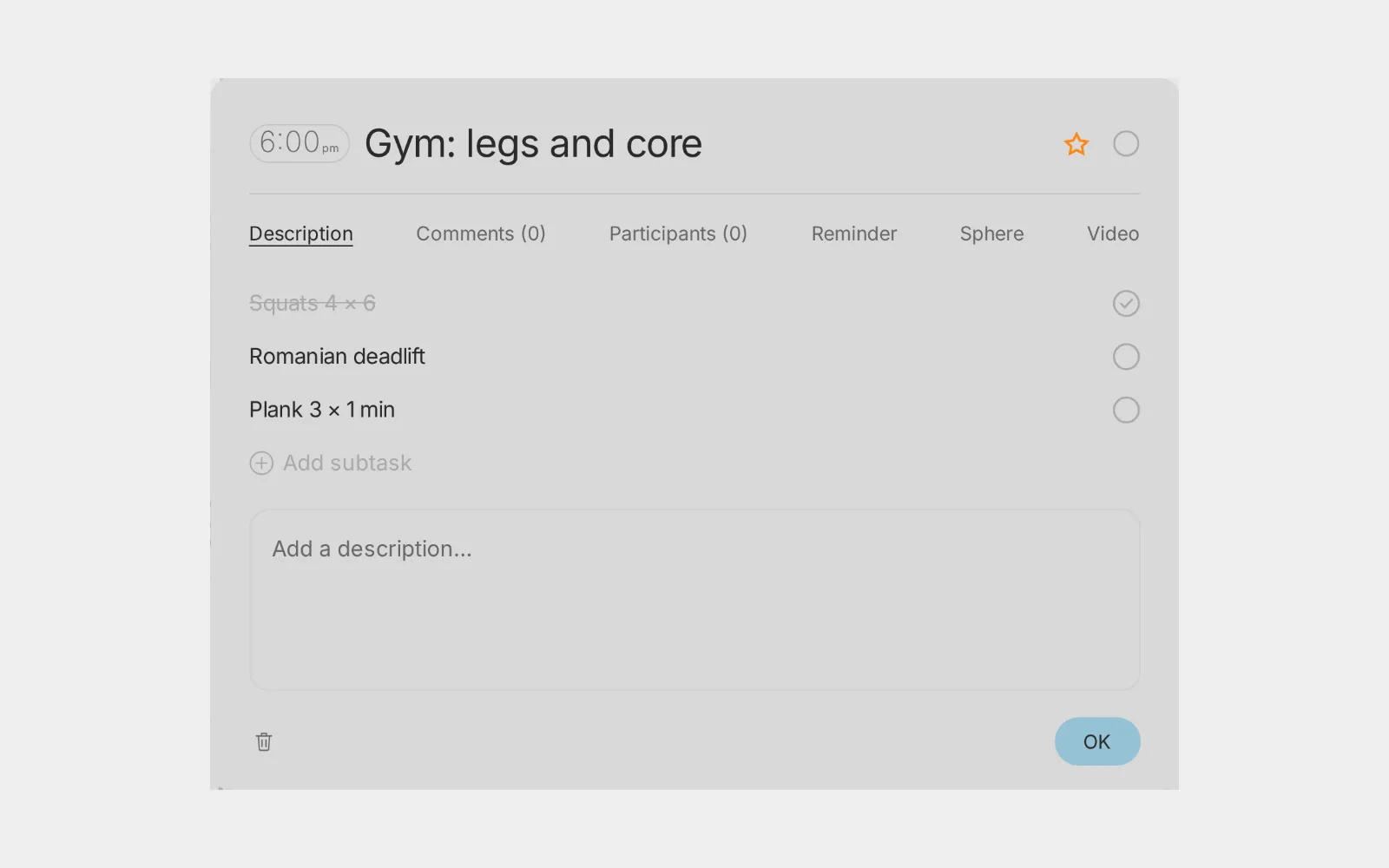
- 04Shrink the avoided task. A task that's been moved several times is usually too vague or too big. "Redesign onboarding" becomes "list the five screens in the current flow." More on this in how to start a task you keep avoiding.
- 05Give it a place in the day. Put the avoided task early, with a time. "10:00, write the first paragraph of the case study." A specific slot removes one more decision.
- 06End the day with what happened. Before you close the laptop, note what you did, along with what you skipped. A short evening wins journal changes the story you carry into tomorrow.
Here's an ordinary week. On Monday you planned a proposal, two client revisions and a tax form. The tax form didn't happen. Tuesday morning you see it, think "fine, I avoided it," cut it down to "find last quarter's receipts," and slot it at 9:30, before email. Twenty minutes later it's moving again. Nice.
Common mistakes
Treating forgiveness as permission to drop everything
Self-forgiveness works because you still care about the task. If a fresh start becomes a reason to delete every hard item, the hard items come back later as deadlines. The fix: forgive the delay, keep the commitment, shrink the next step.
Carrying the whole backlog into every day
If every unfinished task rolls forward automatically, today starts already behind. The fix: decide each morning what moves forward. Anything you don't pick goes to a later date or a someday list.
Turning the reset into a ritual of self-criticism
Some people review yesterday by listing everything they did wrong. That keeps the shame alive under a productive name. The fix: one factual sentence about what slipped, then full attention on the plan.
Waiting for a big landmark
Monday, the first of the month, the new year. Waiting for the perfect start just adds days of avoidance. The fix: treat each morning as a small landmark. Today is new enough. Same goes for habits, by the way: a missed day barely affects habit formation.
How Aimgod helps
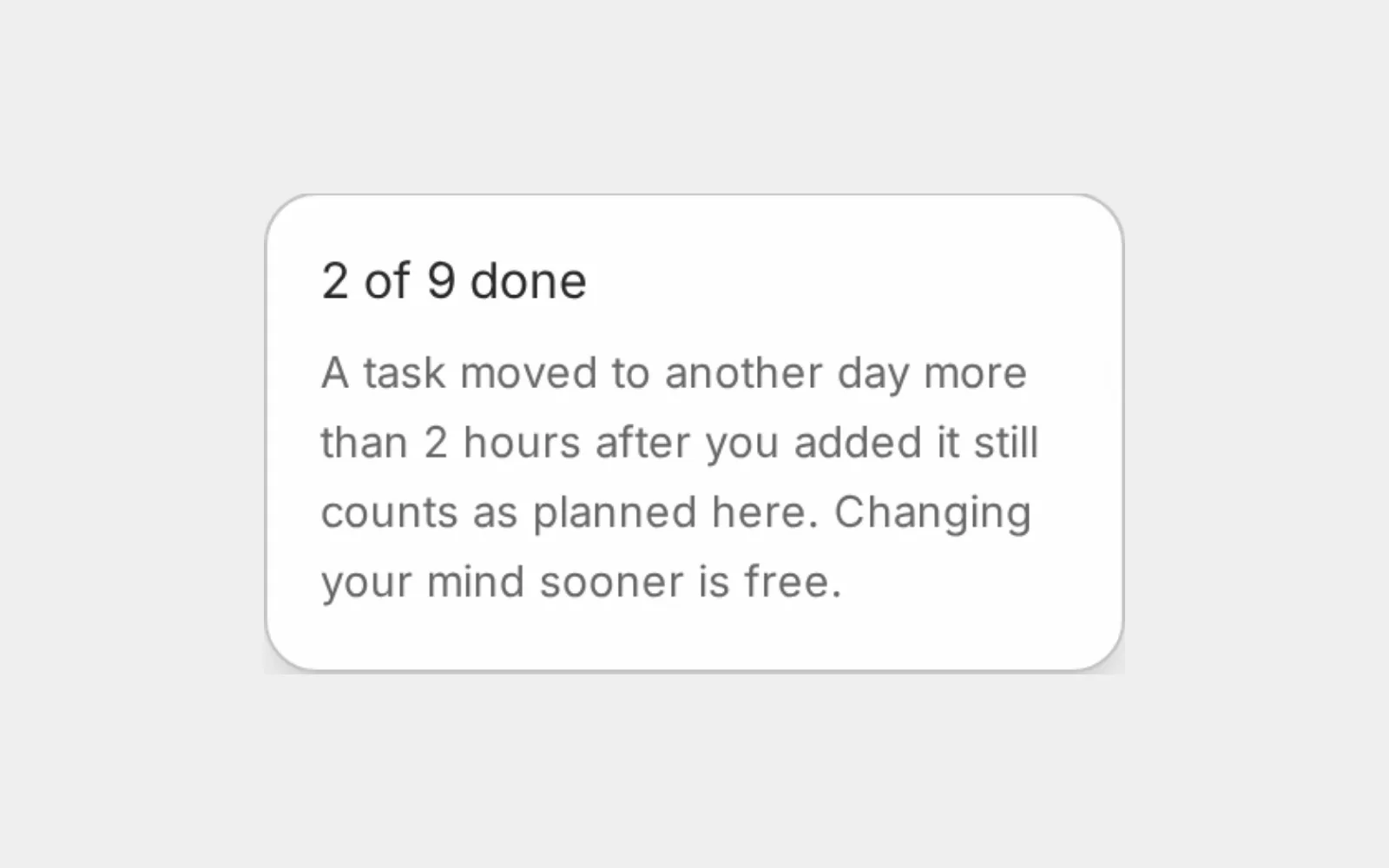
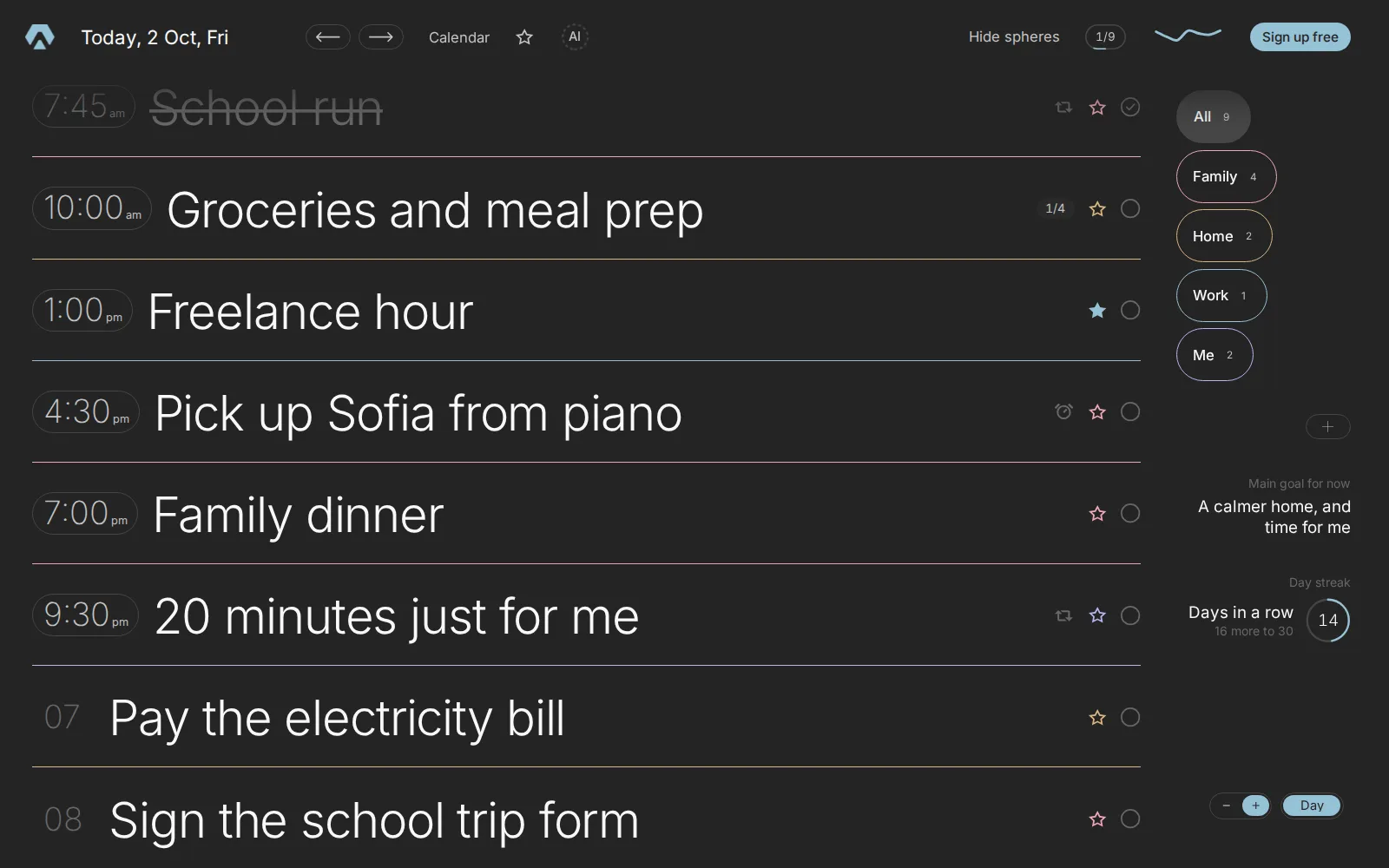
I built Aimgod as a calm day planner, and rule number one was no shame in the interface. No red counters for overdue tasks, no badges, anywhere in the app. When a task moves to another day, it's listed calmly, as a plain fact, with no warning color and no number that keeps climbing.
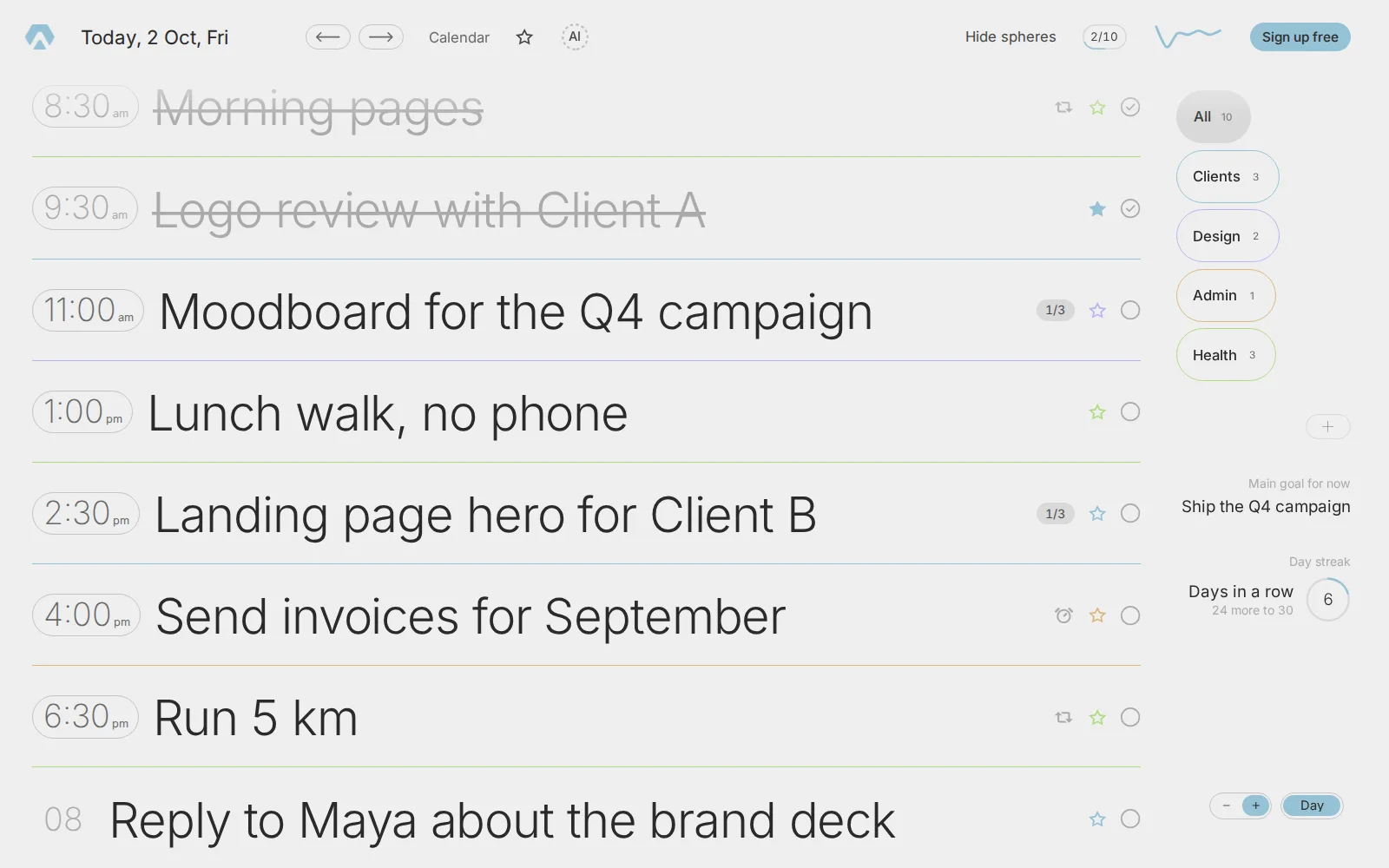
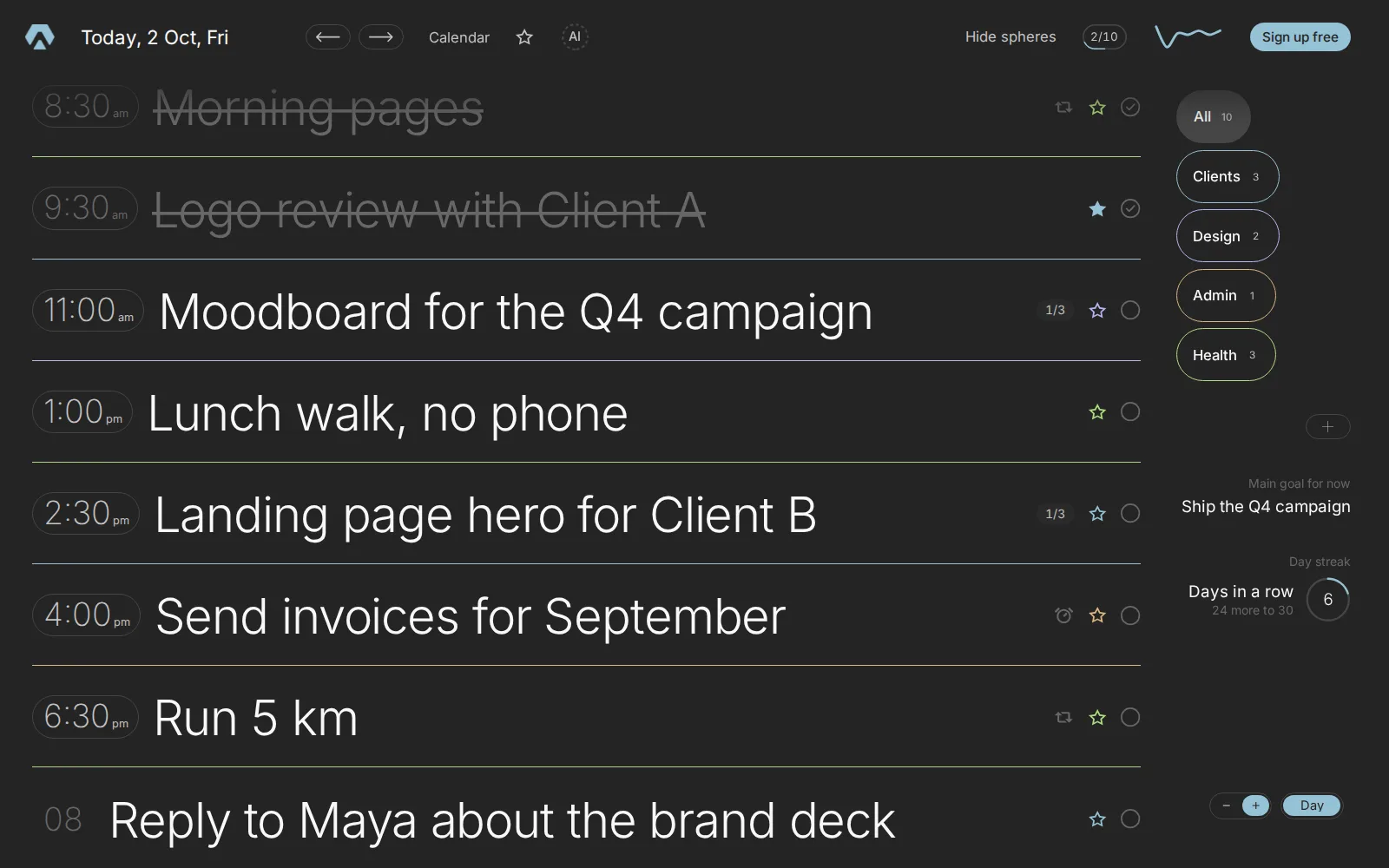
The day shows today. Yesterday's unfinished work doesn't land on top of it in a heap, so the morning starts quietly.
A dedicated Fresh start feature is coming in October 2026. Its job: turn the morning reset above into one quiet step. See what was left, choose what continues, begin the day clean. Until it ships, the practice works great with the day view as it is today.
Start where you are
Pressure rarely ends procrastination. What ends it is coming back to the work without it hurting. That's also how you stop feeling guilty about procrastinating: you come back, and the guilt loses its job. Forgive yesterday in one sentence, choose today on purpose, and make the first step small enough to take before you have time to argue with it. Tomorrow, you get to begin again.
FAQ
How do I stop feeling guilty about procrastinating?
Procrastination usually means you dodged an unpleasant feeling, and guilt is the bill that shows up afterward. The catch: guilt makes the task feel even worse, so avoiding it gets more tempting next time. The way out: name the slip in one sentence, forgive it, and take a small next step.
Does self-forgiveness really reduce procrastination?
Research says it can. In a study of university students, those who forgave themselves for procrastinating before one exam procrastinated less before the next one.
What is the fresh start effect?
It's the finding that people are more likely to start working on goals right after a landmark, like a new week, month or birthday. You can run a small version of it every morning with a short reset.
Oleksandr Sendziuk believes every morning is a clean page, and yesterday is only a note in the margin.
Follow the build on LinkedIn ↗