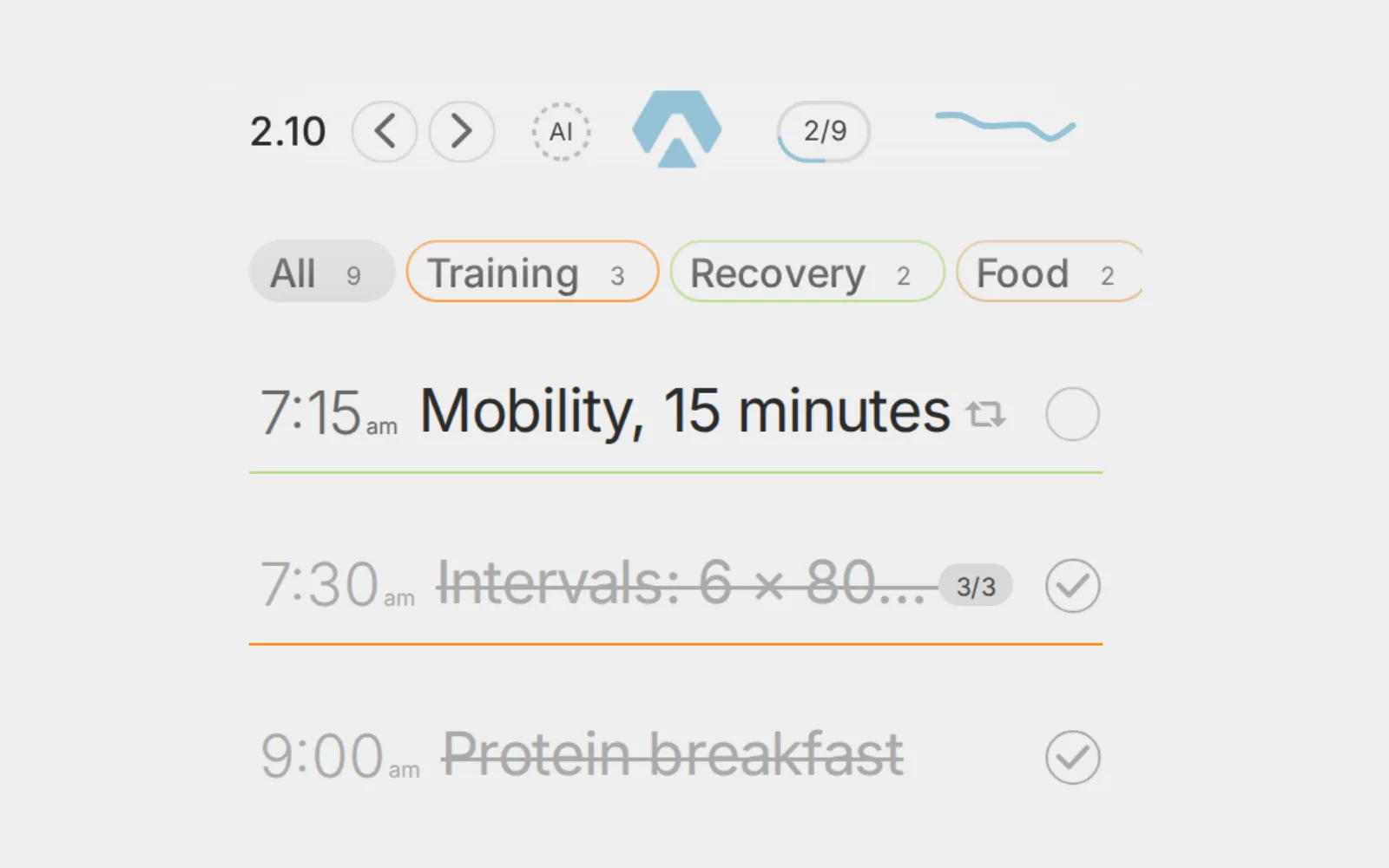
In Aimgod: First step, coming November 2026
Task Avoidance: How to Start a Task You Keep Avoiding
Task avoidance isn't laziness. Learn how to break tasks into small steps, make the first one tiny, and finally start the thing you keep pushing to tomorrow.
 By Oleksandr Sendziuk, founder of Aimgod · · 6 min readFollow on LinkedIn ↗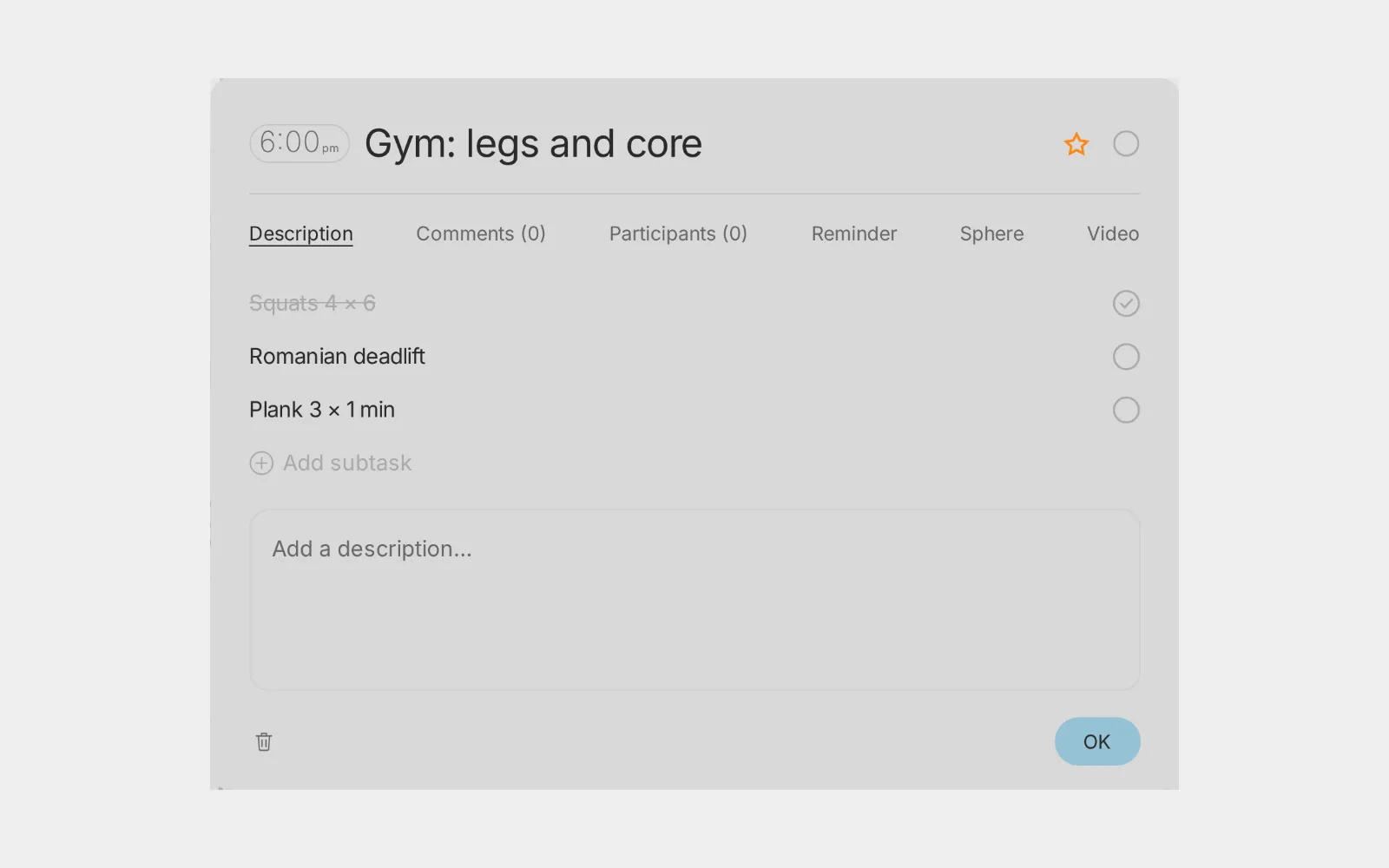
Every list has one. The task that slides from Monday to Tuesday, then to Thursday, then quietly into next week. You know it matters. You roughly know what to do. And still, every morning, your eyes drift right past it to something easier.
That's task avoidance. If it sounds familiar, relax, you're in very good company.
I've had plenty of these over the years. A tax form. A case study I owed my own portfolio. An email to a client that needed a careful no. None of them were hard the way a design problem is hard. They were just hard to begin.
What finally helped was simple. I stopped hunting for more willpower and fresh procrastination tips and started shrinking the first step. So small it felt a little silly. That's what this post is about: how to start a task you keep avoiding.
What is task avoidance?
Task avoidance is putting off one specific task again and again, even when you fully intend to do it and the delay is costing you. It tends to cluster around tasks that feel vague, unpleasant or loaded with judgment: the proposal that might get rejected, the inbox you're scared to open.
The fix has two parts:
- Break the task into small, visible steps, each one a physical action you could start right now.
- Make the very first step tiny, five minutes or less, with zero decisions needed to begin.
That's it. No system to learn, no new identity to try on. You just change the size of the door you have to walk through.
Why emotional procrastination feels so sticky
Psychologists increasingly describe procrastination as a problem of managing feelings, not time. Look at an avoided task and you get a small wave of something unpleasant: boredom, doubt, fear of doing it badly. Switching to an easier task makes the wave go away for a moment, and that relief rewards the switch. Run that loop a few times and avoidance becomes a habit of its own. It's a feedback loop, and it's tuned against you.
A big, vague task makes the wave bigger. "Write the case study" asks you to load the whole thing into your head at once. "Open the project folder and pick three screenshots" asks almost nothing.
The second effect is the one I find most useful. A lot of us wait to feel motivated before we start. In practice, feelings often follow action instead of leading it. A few minutes in, resistance tends to drop and interest finally has a chance to show up. The tiny first step gets you there without needing the motivation up front.
And a third. Unfinished tasks keep tugging at your attention. Research shows that writing down a concrete plan for an unfinished task reduces how much it intrudes on your mind, even before you do it. Breaking a task into steps is exactly that kind of plan. The cloud becomes a short list.
How to break tasks into small steps
- 01Name the task you keep moving. Look at your list and be honest. It's usually obvious: the one that's been moved more than twice. Pick just one.
- 01Write the finished state in one line. What does done look like? "The case study for the CRM redesign is published on my site." Now every step points the same way.
- 01Break it into steps you could start without thinking. Each step starts with a verb and describes a physical action. For the case study: open the Figma file and export the five key screens; write three sentences about the client's problem; list the decisions I made and why; draft the results paragraph; lay out the page; read it once out loud; publish. If a step still makes you hesitate, it's too big. Split it again.
- 01Shrink the first step until it's almost a joke. "Export the five key screens" might still feel heavy at 9 a.m. So the first step becomes "open the Figma file and find the final frames." Two minutes. For a dreaded client email: "open a draft and write the greeting." For an overdue invoice batch: "open the accounting tool and filter unpaid."
- 01Give the first step a time, and keep it short. Tie it to a specific moment, ideally early, before the day fills up. Something like "after my first coffee, I open the Figma file." Pairing a step with a cue is the idea behind if-then plans, and it skips the daily negotiation with yourself.
- 01Do the first step and let yourself stop. This part matters. The deal is real: after five minutes, you're allowed to stop. Most days you'll keep going. Some days you won't, and that's still a win, because the task moved and the next start is easier. The 5 minute rule goes deeper on this.
- 01Check off each step as you go. Seeing progress on a task that's been stuck for weeks is its own little reward. It swaps the relief of avoiding for the relief of moving.
That's also how to get started on a big task of any kind: make the first move clear, and make it small.
Common mistakes
Steps that are too big. "Do research" or "work on the deck" are still tasks, not steps. The test is easy: could you start it within ten seconds of reading it? If not, break it down further.
Planning the whole project instead of starting. Thirty perfectly ordered steps can be a very polished form of avoidance. Write five to eight, enough to see the path, and go. Knowing how to get started on a big task beats finishing it on paper.
Treating the small start as a trick. Tell yourself "five minutes" while secretly expecting two hours, and your brain notices. The resistance comes right back. Mean it. Five honest minutes is the goal for day one.
Waiting for the right mood. The right mood tends to show up after you begin, not before. Catch yourself saying "I'll do it when I feel ready"? That's your signal to do the first step now. And if the task has been sitting there long enough to make you feel guilty, read how to stop procrastinating without guilt first. Guilt makes the door heavier than it is.
How Aimgod helps
I built Aimgod around one idea: a calm day is a short list you actually finish. Avoided tasks wreck that calm fast, so a few parts of the product exist just for them.
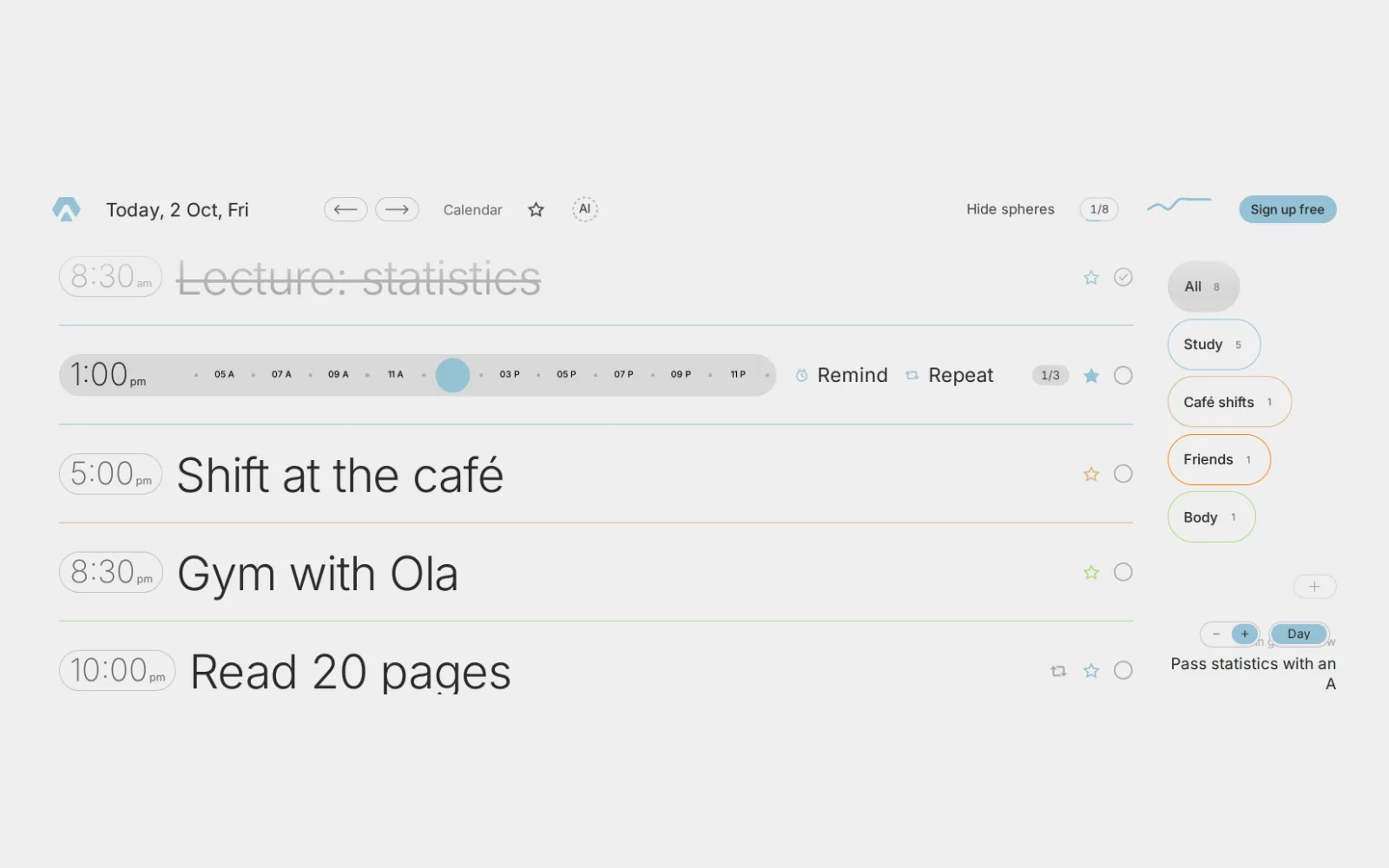
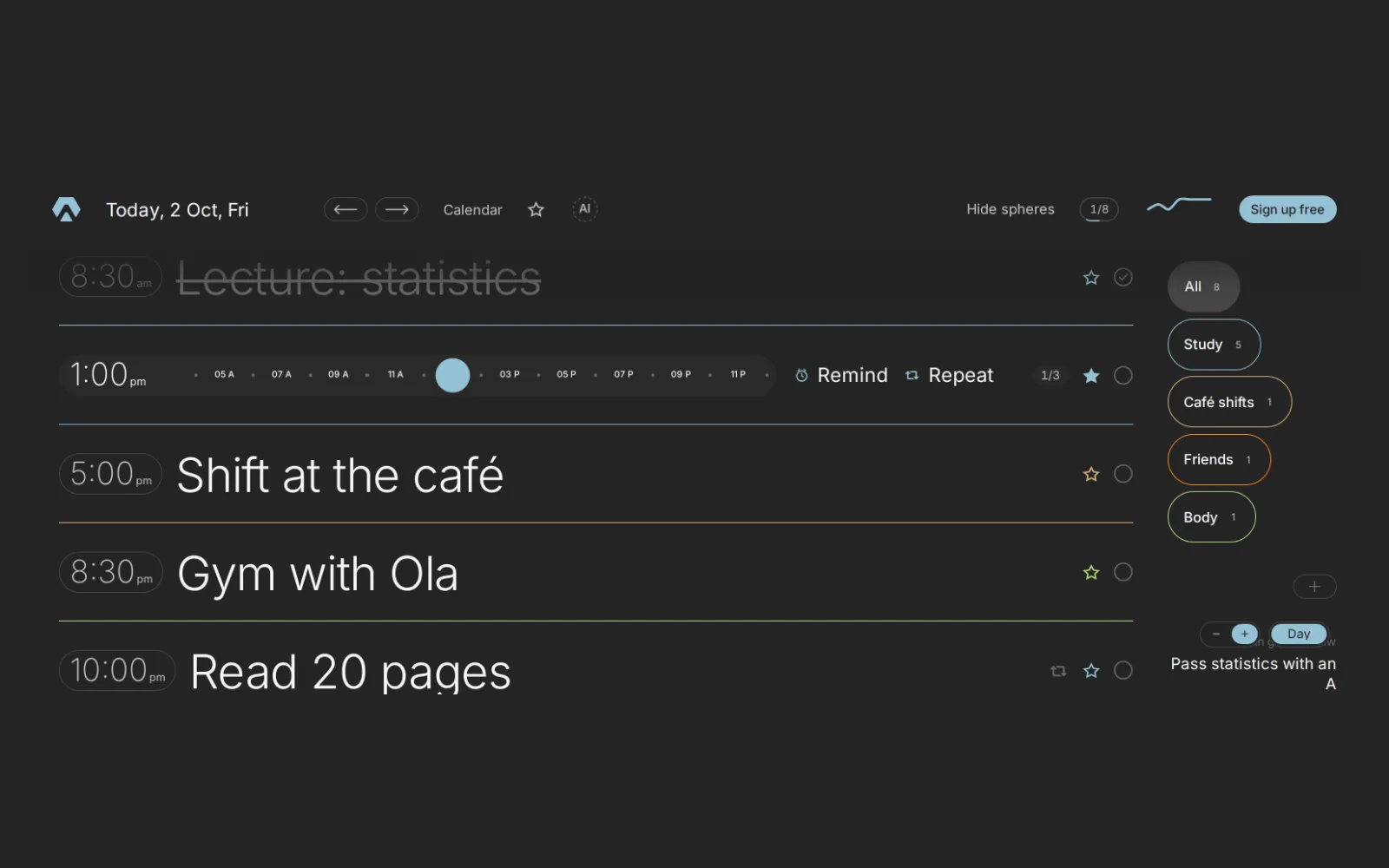
Steps on any task, live today. Open any task and add its steps. They live inside the task, so your day stays short while the plan stays detailed. As you check steps off, progress shows right on the task row, and a stuck task visibly starts moving.
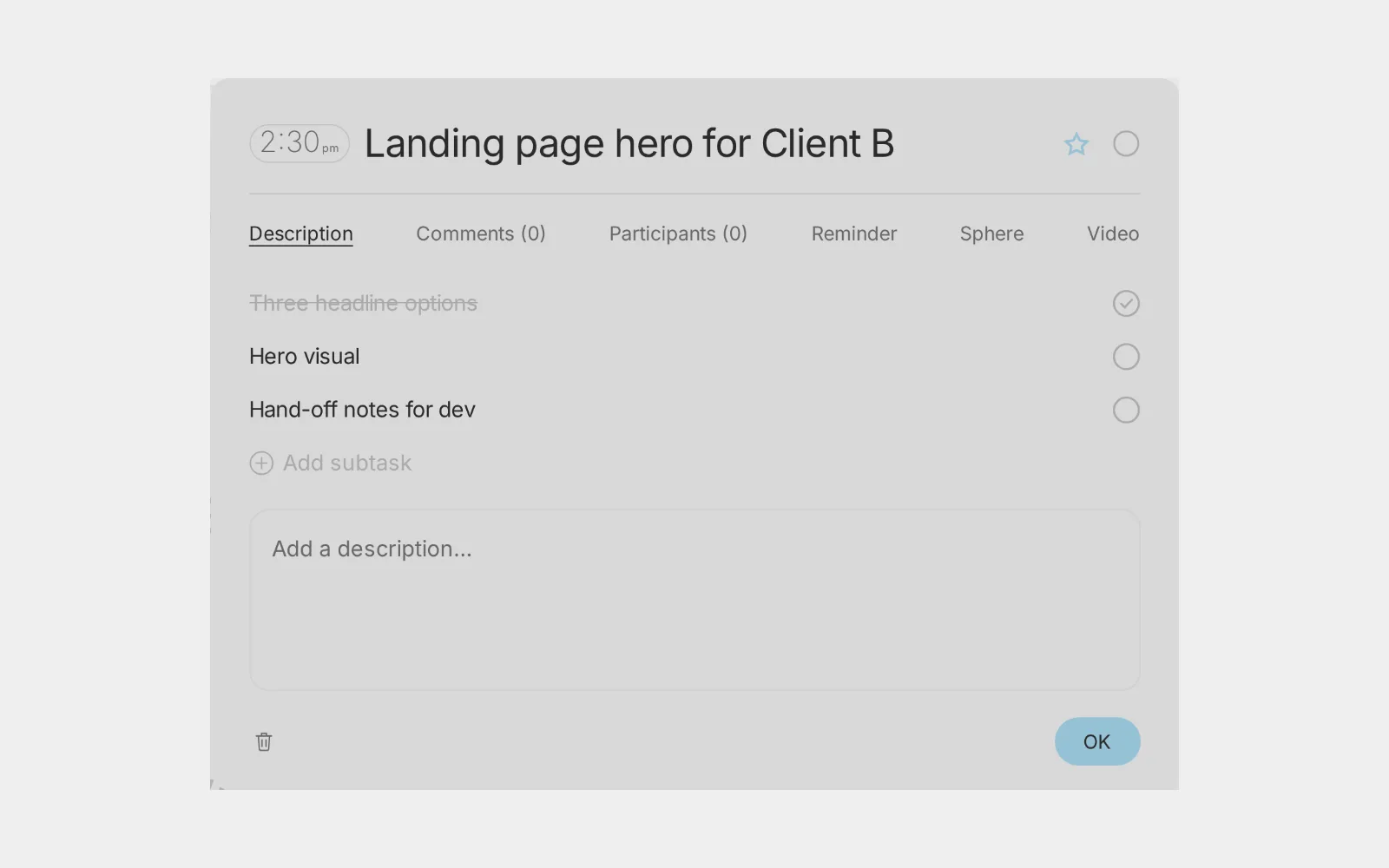
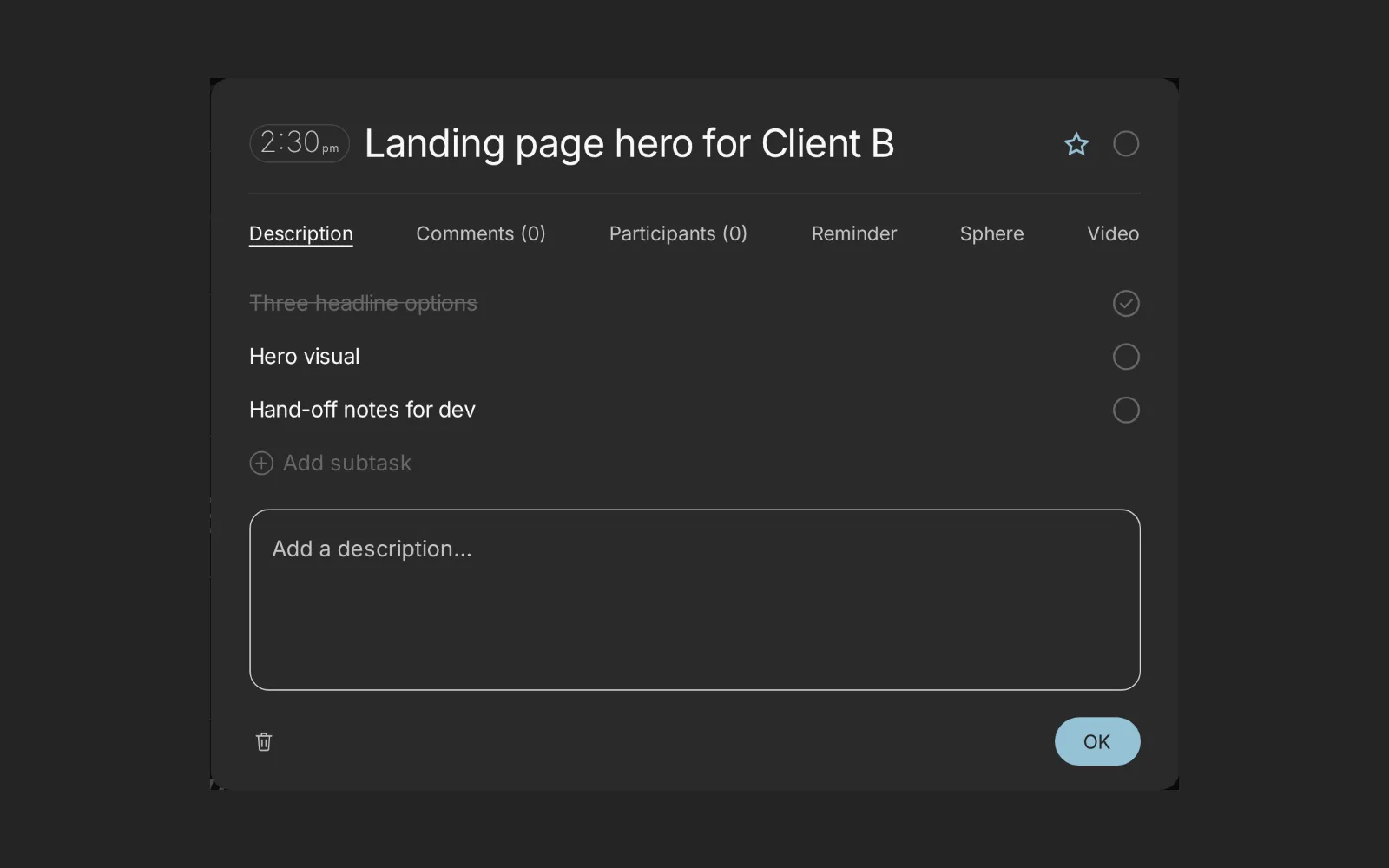
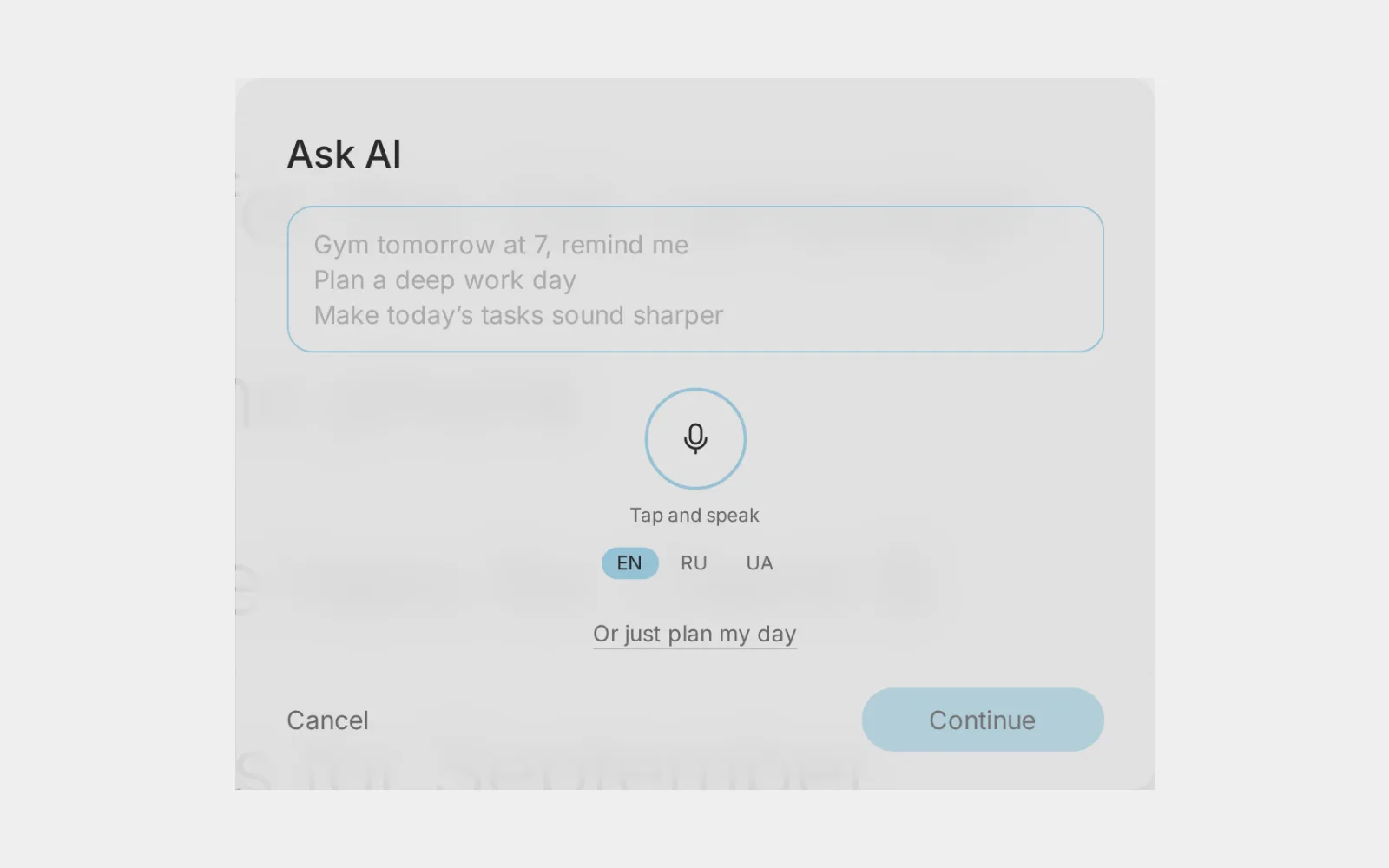
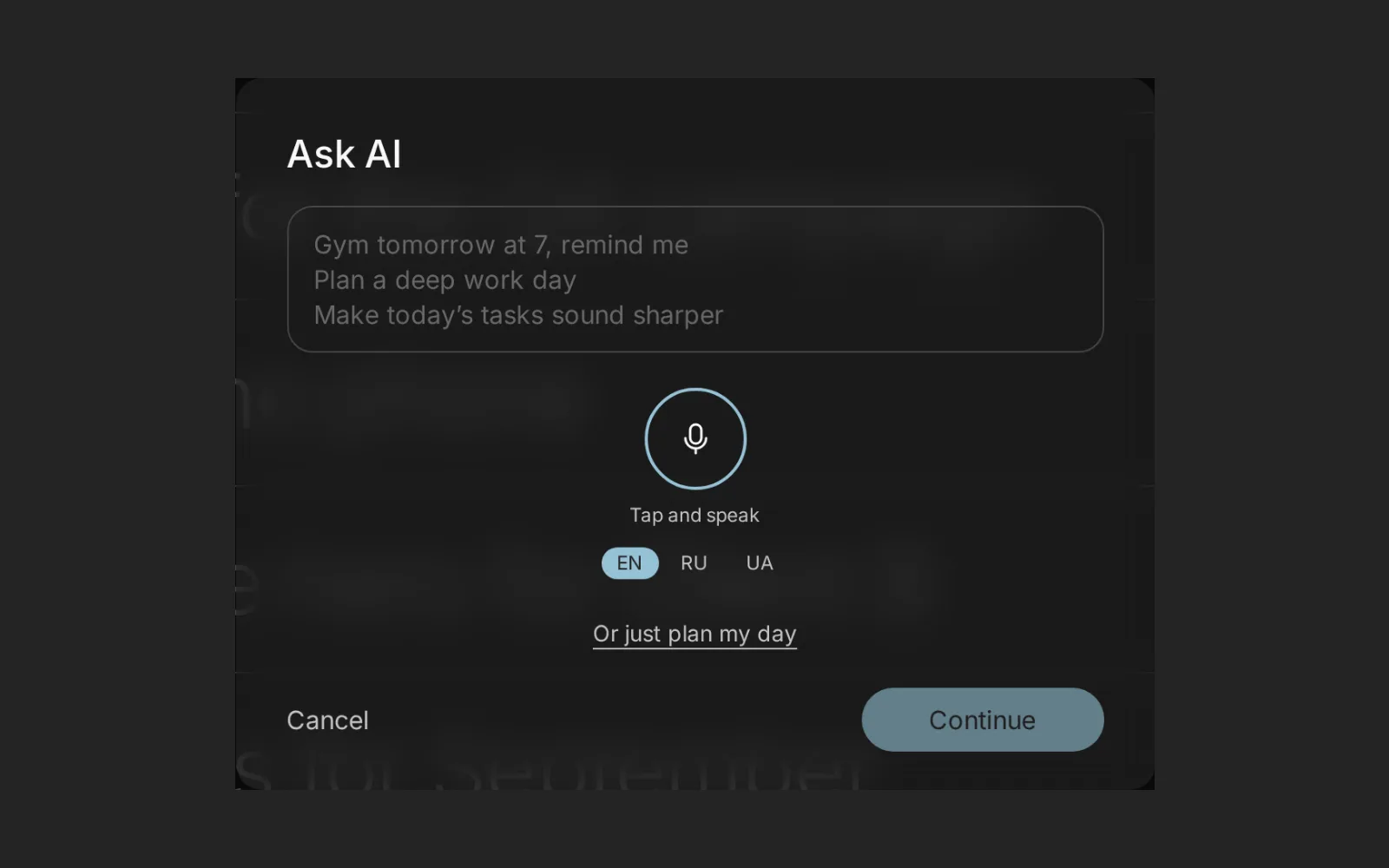
Ask AI, live today. If breaking a task down feels like one more thing to avoid, describe it in a sentence. Something like "I need to write a case study for the CRM project and I keep putting it off." Ask AI can plan from that sentence and suggest the steps, which you then tweak to fit how you work.
First step, coming in November 2026. Aimgod already knows when you move a task. Starting in November 2026, when a task has been moved three times, Aimgod will offer to break it down and keep only a five minute first step on your day. The other steps wait inside the task. Once it's unstuck, it's a strong candidate for tomorrow morning, when you do the hardest thing first.
A small door
Task avoidance isn't a character flaw. It's a normal response to a task that feels bigger and murkier than it really is. Most procrastination tips ask you to fight that feeling head on. You don't have to. Make the door smaller, walk through it for five minutes, and let the next step show up on its own. Tomorrow, the task that's been haunting your list for two weeks can be the first thing you check off.
FAQ
Why do I avoid tasks I know are important?
Because the task brings up an unpleasant feeling, like doubt or fear of doing it badly, and switching to something easier buys quick relief. It's emotional procrastination, not laziness.
Is task avoidance the same as procrastination?
Close enough. Task avoidance is procrastination aimed at one specific task, the one that keeps getting moved while everything around it gets done.
What's a good first step for a task I keep avoiding?
Something you can do in under five minutes with no decisions, like opening the file or writing the first line of an email. If you hesitate when you read it, shrink it again.
Oleksandr Sendziuk believes every big thing is just a small step that has not started yet.
Follow the build on LinkedIn ↗